
By Lehlohonolo Lehana.
City of Johannesburg officially opened Brixton Reservoir and Water Tower project on Wednesday,29 April 2026, promising improved water supply to thousands of residents, hospitals, and institutions across Johannesburg’s western suburbs.
The event, held at the reservoir site adjacent to Brixton Primary School, drew national and provincial government representatives, community leaders and media.
The construction began in 2023 and was envisioned as an 18-month project, completed in early 2025.
However, the project was hit with delays, due to funds allocated to the development being diverted.
Amid a widespread water system failure at the beginning of 2026, the City’s executive and Gauteng Provincial leadership promised to have the tower up and running by the end of February, and then in the first weeks of March.
Now, more than a month later, the system is finally officially open.
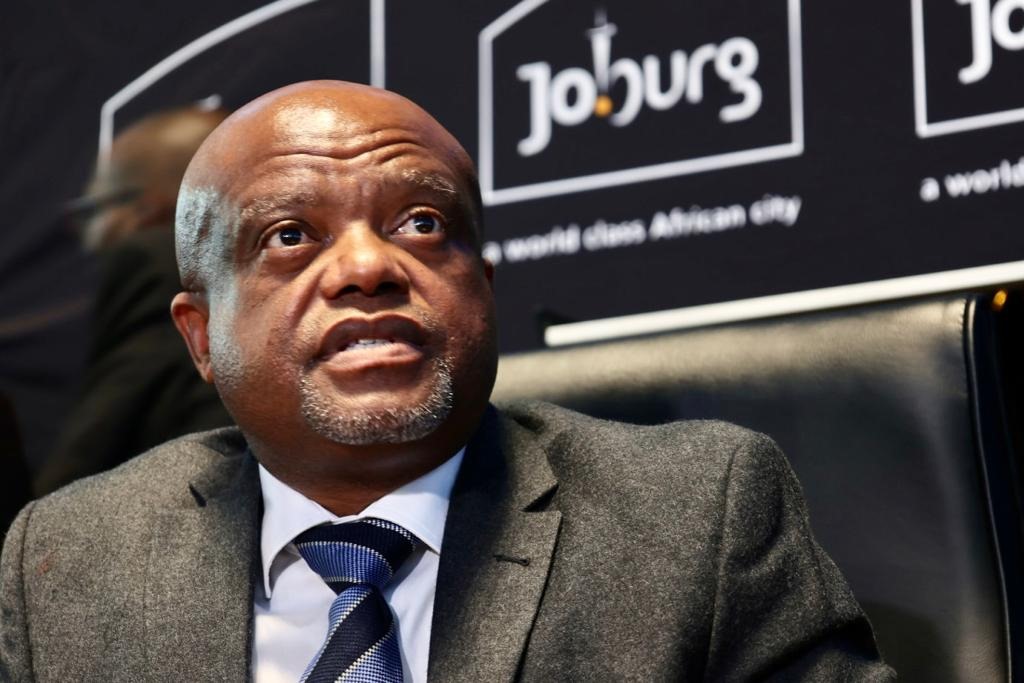
Johannesburg Executive Mayor Dada Morero, who presided over the ceremony, highlighted the significance of the new facility in the city’s efforts to enhance water reliability and capacity.
Equipped with a 26 megalitre ground reservoir, a two megalitre tower, and a state-of-the-art pump station that boasts a capacity of 200 megalitres per second, the Brixton Reservoir is poised to alleviate the prolonged water cuts and shortages that have plagued certain areas of the city. Morero indicated that the project represents a significant capital investment of R1.2 billion.
Morero said the city had tabled reforms in council to support its 10-year Infrastructure Investment Plan and enable it to secure alternative funding models for infrastructure. These included tariff reforms to “ensure cost-effective tariffs”.
“These structured reforms…will secure sustainable water resilience for the City of Johannesburg’s key programmes, “Morero said.
Minister of Water and Sanitation, Pemmy Majodina, said current and future projects, such as the Brixton development, will help ensure that Joburg has a secure and reliable water supply.
However, she warned that more needs to be done to resolve not only the city’s water crisis, but the wider problems in Gauteng.
Specifically, she flagged excessive water demand as a critical factor, noting that the province’s water supplier, Rand Water, is tied up.
“The population of Gauteng, and the demand for water, has risen exponentially,” she said. The demand for water is sometimes exceeding the available supply from Rand Water.”
Majodina called on Johannesburg residents to play their part by discouraging vandalism of government infrastructure. She also criticised politicians who, she said, exploited genuine community frustration for political gain, adding that this undermined efforts to rebuild communities.
“Water security is too important to be reduced to a political football by political parties. Our people deserve honesty. Our people deserve accountability,” said Majodina.
“Our people deserve honesty. Our people deserve accountability, and above all we must reject politics about opportunism to embrace the politics of responsibility. The work of rebuilding and modernising our water infrastructure requires unity of purpose in action,” Majodina said.