
By Lehlohonolo Lehana.
The National Institute for Communicable Diseases (NICD) reports that 9,160 new COVID-19 cases have been identified in South Africa, representing a 24.9 percent positivity rate, bringing the total number of laboratory-confirmed cases to 1,832,479.
The majority of new cases today are from the Gauteng province (69%), followed by the Western Cape (7%).
NICD said a further 93 COVID-19 related deaths have been reported, bringing total fatalities to 58 795 to date.
The institute added that 12 586 342 tests have been conducted in both public and private sectors since the last report.
Hospital Admissions:
An increase of 341 hospital admissions have been reported in the past 24 hours.
Vaccine Update:
For updates on the national vaccine programme, click here.
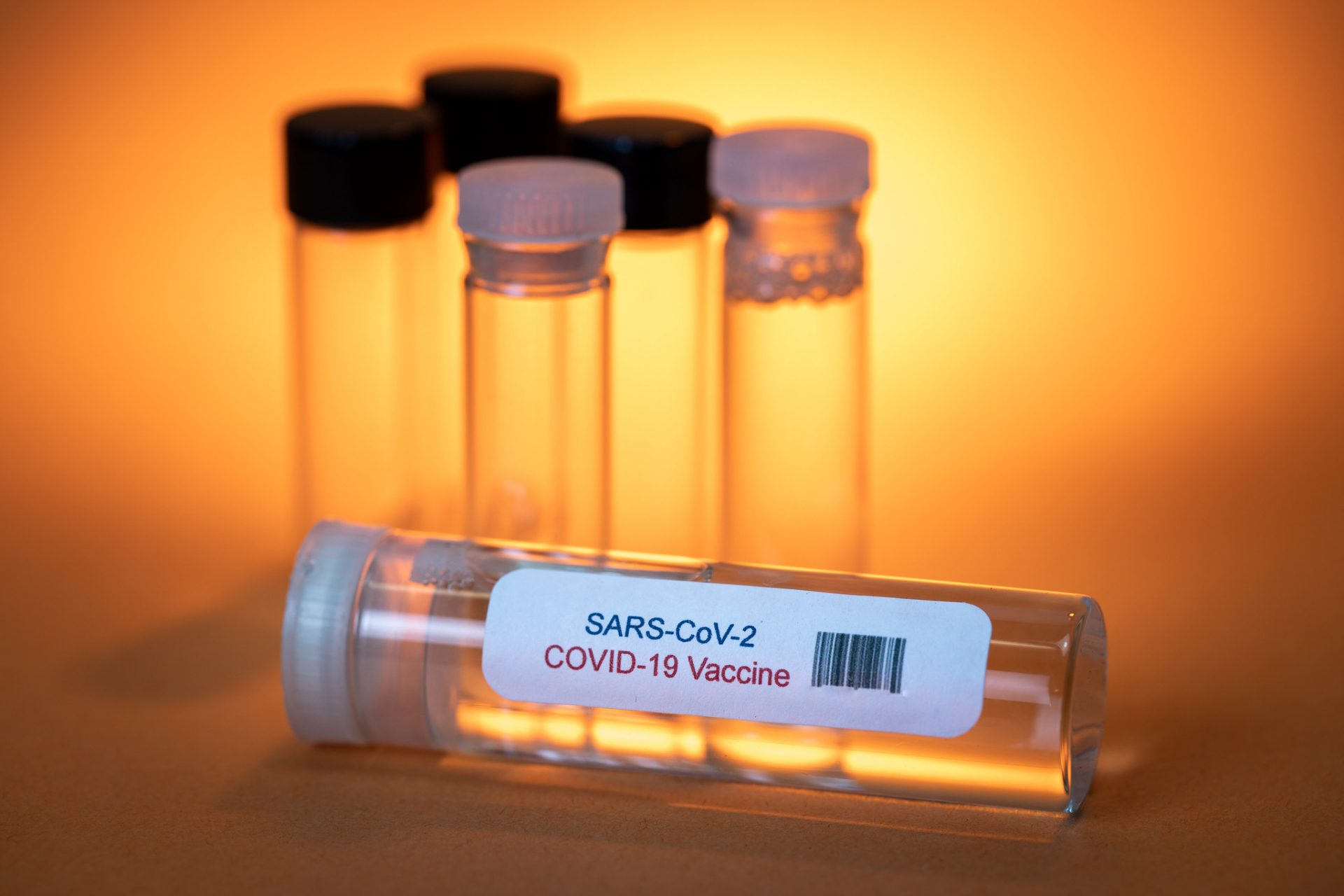
Meanwhile the World Health Organisation (WHO) has announced the establishment of the first messenger RNA (mRNA) technology transfer hub for Covid-19 vaccines – and it will be built in SA.
Among other functions, the hub will allow for manufacturing of vaccines, medicines and other health-related commodities to scale up production.
This was a historic move, which would put Africa on a path to self-determination, said President Cyril Ramaphosa.
“Through this initiative and others, we will change the narrative of an Africa that is a centre of disease and poor development. We will create a narrative that celebrates our successes in reducing the burden of disease and in advancing self-reliance and sustainable development. This will enhance our capacity to take responsibility for the health of our people,” he said.
He was speaking alongside WHO officials and French President Emmanuel Macron, who attended the briefing virtually.
Ramaphosa has consistently pushed for a temporary waiver of vaccines’ intellectual property rights in order to speed up production.
“Debates around improved access to medicines, diagnostics and vaccines have been ongoing for many years. We therefore thank the WHO for taking this bold step and commend member states for moving us from discussions to real work and realistic development.”
He was confident in the country’s ability to execute its mandate.
“In the achievement of this goal, we will not fail. South Africa welcomes the opportunity to host a vaccine technology transfer hub and to build on the capacity and expertise that already exists on the continent to contribute to this effort.
“With this investment of technology, knowledge and expertise, we will go beyond the development and manufacture of vaccines into a new era of innovation and progress,” he said.
It was not immediately clear when the hub would be set up but WHO’s chief scientist, Dr Soumya Swaminathan, said it could take a few months.
“The timelines of when vaccines could be produced in the country will depend on whether there is tried and tested technology that can be much more easily transferred to the facility in SA which already exists.
“We could expect to see within nine to 12 months vaccines being produced in South Africa. We would like to take it step by step and within the next few weeks we should be able to provide further details on the technology and when the work actually begins. We will try to do it as quickly as possible,” she said.
Ramaphosa said SA looked forward to producing vaccines for hard-hit African countries.