
By Lehlohonolo Lehana.
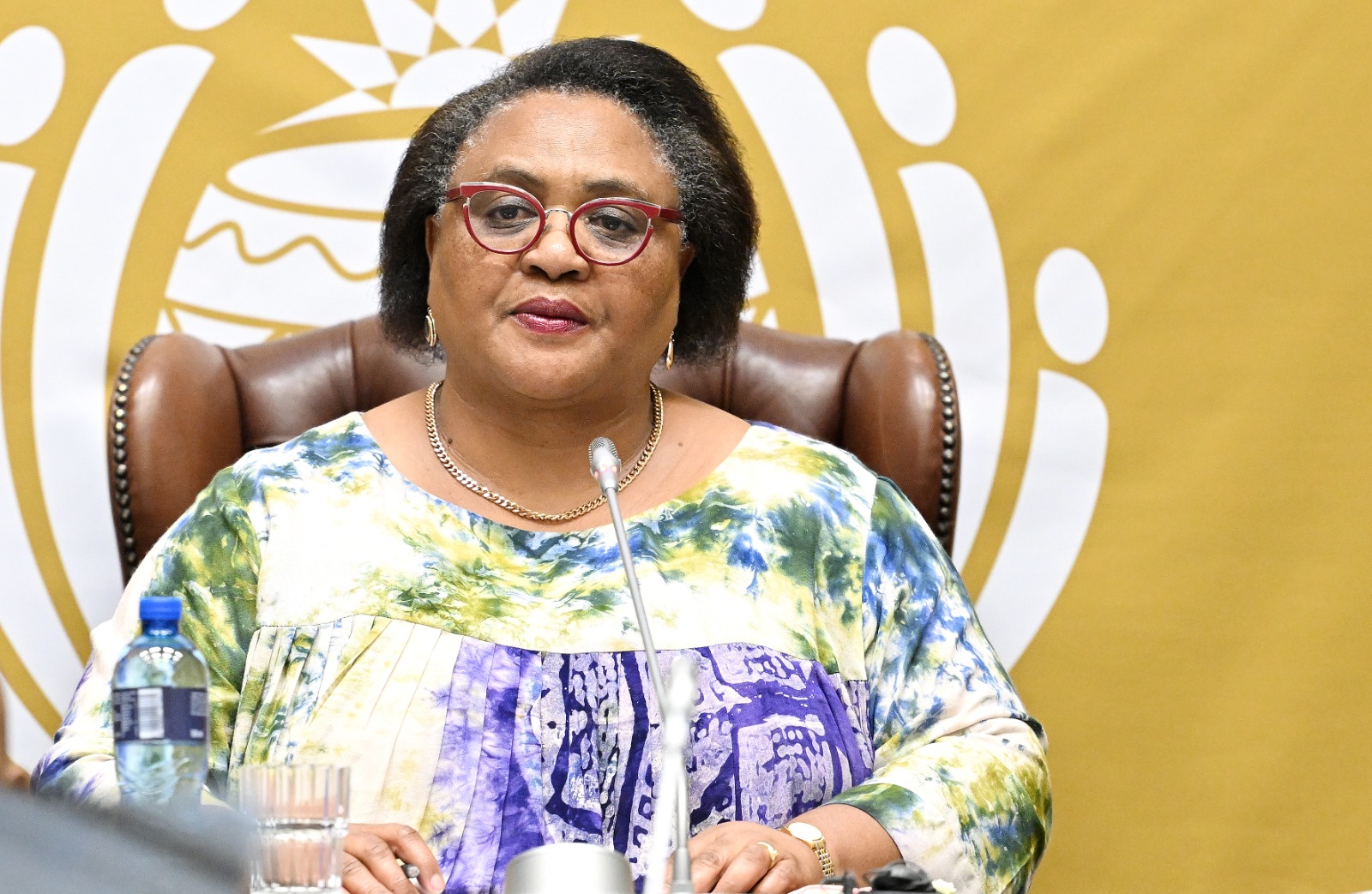
The National Assembly (NA) Speaker Thoko Didiza says Parliament will institute an impeachment committee as directed by the Constitutional Court of South Africa.
On Friday, 08 May 2026, the apex court ruled that Parliament acted unlawfully when it voted against adopting the Section 89 panel report into the scandal.
The panel recommended that Parliament institute an impeachment inquiry against president Cyril Ramaphosa – after foreign currency was stolen from his Phala Phala farm in 2020.
Parliament later voted against adopting the panel’s findings.
The Constitutional Court found Rule 129I of the Rules of the National Assembly unconstitutional and invalid and set the Rule aside. Pending the formal amendment of the Rules by the National Assembly Rules Committee, the Court further directed an interim reading-in and amendment of Rule 129I to govern the processing of section 89 matters.
The Court further declared unconstitutional and invalid, and set aside, the decision of the National Assembly taken on 13 December 2022 declining to refer the Independent Panel Report to an Impeachment Committee established in terms of the National Assembly Rules.
The Constitutional Court consequently ordered that the Report of the Independent Panel be referred to the Impeachment Committee established in terms of the Rules of the National Assembly.
Fullview learnt this morning that Didiza met African National Congress (ANC) Chief Whip Mdumiseni Ntuli and Adv Thembeka Ngcukaitobi who represented Parliament on the Section 89 Phala Phala Report at the Constitutional Court.
In a statement on Monday, 11 May 2026, Didiza outlined six steps that Parliament would undertake after the Constitutional Court’s ruling.
- In accordance with the revised reading of Rule 129I, the Speaker will formally inform the National Assembly of the Independent Panel Report by tabling it through the appropriate journals of Parliament.
- The Speaker will provide the President of the Republic with a copy of the Independent Panel Report forthwith, as directed by the Constitutional Court.
- In compliance with the judgment of the Court, the Speaker will initiate the process to constitute the Impeachment Committee in terms of Rules 129J to 129O of the Rules of the National Assembly to consider the section 89 inquiry process contemplated in the Constitution and the Rules of the Assembly.
- The Speaker will formally refer the Independent Panel Report to the Impeachment Committee as directed by the Constitutional Court.
- The Speaker will refer the Constitutional Court judgment to National Assembly Subcommittee on the Review of Rules to consider and process the amendments required to the Rules of the National Assembly pursuant to the findings, reading-in, and directions of the Court. The Subcommittee will report on its work to the Rules Committee, which will in turn submit its recommendations to the National Assembly for consideration.
- The Speaker will determine the appropriate programme, procedural arrangements, timeframes and institutional support measures necessary to enable the Impeachment Committee to undertake and finalise its work effectively, fairly and within the framework of the Constitution and the Rules of the National Assembly.
The speaker said parliament’s rules Subcommittee would urgently review and amend the Assembly’s rules to align them with the Constitutional Court judgment.
This committee will investigate, establish the veracity of the charges against the President and make a recommendation via a report to the National Assembly.
The House then schedules the report for urgent debate and decision.
If the report recommends that the President be removed from office, it will be put to a vote. Two-thirds of members of the National Assembly need to support the motion to have the President removed.