
By Lehlohonolo Lehana.
The National Institute for Communicable Diseases (NICD),reports 16,585 new COVID-19 cases that have been identified in South Africa, which brings the total number of laboratory-confirmed cases to 2,062,896. This increase represents a 30.2% positivity rate.
The Gauteng province accounts for the majority of new cases (57%), followed by the Western Cape (11%), and the KwaZulu-Natal and Limpopo (7% each) provinces.
Hospital Admissions:
An increase of 384 hospital admissions have been reported in the past 24 hours.
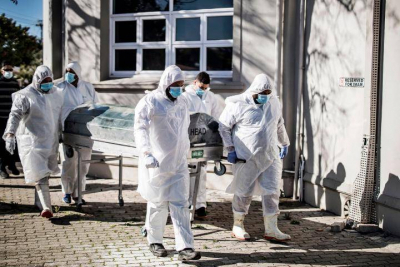
NICD said a further 333 COVID-19 related deaths have been reported, bringing total fatalities to 61,840 to date.
Vaccine Update:
For updates on the national vaccine programme, click here.
Meanwhile SAHPRA has approved China’s Sinovac vaccine against COVID-19, the acting health minister said on Saturday, as the country faces a crippling third wave of infections that has paralysed hospitals and brought its death toll to 60,000.
“I would like to express gratitude to our regulatory authority for their sense of urgency, which included reducing turnaround time to process applications for registration of … (the) COVID-19 vaccine,” Mamoloko Kubayi said in a statement.
The surge in infections in Africa’s most industrialised nation has overwhelmed hospitals, especially in the main city of Johannesburg, and left overworked healthcare personnel struggling to find enough beds for critically ill patients.
Just over 5% of South Africans have been vaccinated — or 3.3 million people out of a population of just less than 60 million. It has recorded 2 million cases so far, although low testing rates in rural areas mean the real figure is probably higher.
After initial doubts owing to a lack of transparency in clinical trial data, Sinovac Biotech’s COVID-19 vaccine is emerging as a powerful tool against the virus. Data from Uruguay released last month showed it was over 90% effective in reducing both intensive care admissions and deaths.
South Africa’s low vaccination rate is due to a combination factors including bad luck – the government had to destroy 2 million contaminated Johnson & Johnson vaccines – slow bureaucracy, and richer countries immunising their own citizens first while the developing world waits for its doses.
President Cyril Ramaphosa has appealed to Western drug companies and their allied governments to temporarily waive vaccine patents so other countries can manufacture them — without success.
Opposition parties have heaped pressure on Ramaphosa to come up with another solution to the vaccine shortage.
China, where the coronavirus first surfaced in the central city of Wuhan in late 2019, has supplied more than 480 million vaccine doses to other nations.
A statement from the Chinese embassy in South Africa said 2.5 million vaccines had been approved for delivery.