
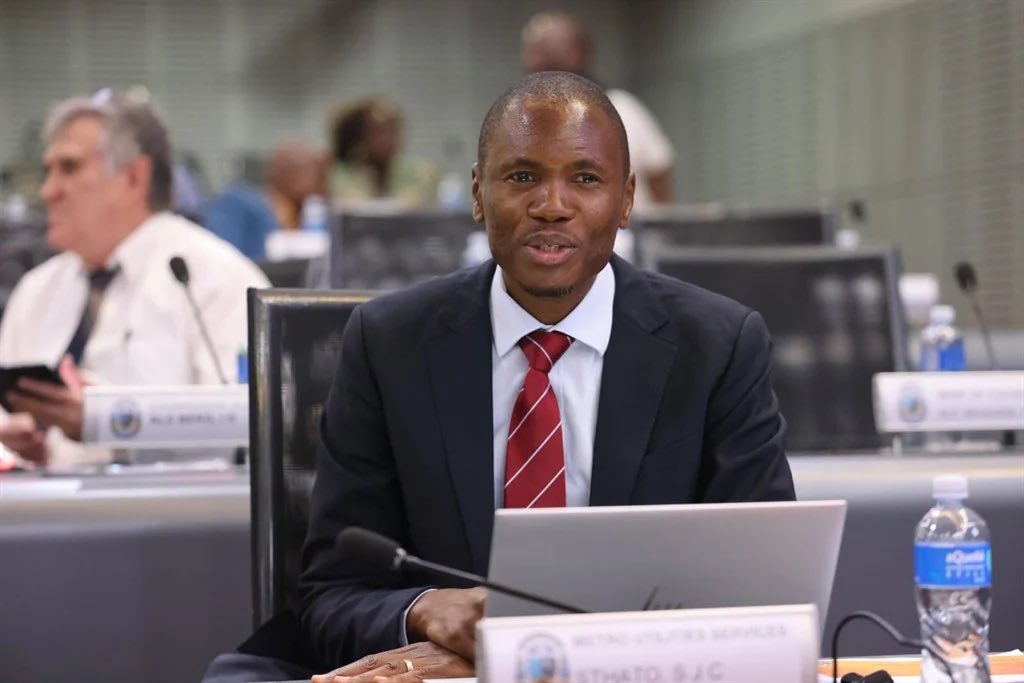
By Lehlohonolo Lehana.
The City of Ekurhuleni has passed its R71 billion amended budget for the 2026/27 financial year, after it failed to secure council approval in the third attempt.
The budget was approved during an extraordinary council sitting on June 23, 2026, avoiding a statutory deadline failure.
The budget must be approved before or by June 30.
176 councillors voted in favour of adopting the budget while 31 opposed it.
The African National Congress (ANC) governs Ekurhuleni as a precarious minority government under Executive Mayor Nkosindiphile Xhakaza. Following the collapse of the ANC-EFF coalition, the ANC now rules with smaller parties.
The Democratic Alliance (DA) in Gauteng said, on Tuesday, that it had reached an agreement with the ANC in the City of Ekurhuleni on changes to the metro’s budget.
“The DA has now used its numbers that we have in council to influence an outcome that I think is the best outcome that, under the circumstances, the people of Ekurhuleni will be able to then get out of this,” said Gauteng DA leader Solly Msimanga.
Key budget concessions secured by the DA include increased property rates to be capped at just 1.5%, legal protection for infrastructure funding for roads, electricity, water, and sanitation and a new specialised unit to be established to fight illegal connections and power theft.
A monthly service delivery tracking dashboard will be published for public transparency, non-essential luxury spending will be frozen to prioritise basic services and stricter financial oversight and consequence management protocols are now mandatory.
The COE’s proposed budget for the 2026/27 financial year was in limbo after three failed attempts in the municipal council.
Finance and Strategy MMC Jongizizwe Dlabathi said several concessions had already been made in response to concerns raised by opposition parties, including the presentation of a revised budget at the previous council sitting.
“We have made concessions in response to inputs from other political parties. That is why, at the last council meeting, we presented a revised item as a way of demonstrating that we are listening,” he added.
Dlabathi maintained that the budget is sound and complies with national requirements.
In terms of the MFMA, if by the start of the budget year (July 1) a council has not approved an annual budget or any revenue-raising measures necessary to give effect to the budget, the provincial executive must intervene in the municipality in terms of section 139(4) of the Constitution by taking any appropriate steps to ensure that the budget or those revenue-raising measures are approved.