
By Kevin Rademeyer Sports Journalist in London.
Images: AELTC.
Live from Wimbledon: There is a moment before every Wimbledon match when the tennis stops being about forehands and scoreboards. It is the walk from the locker room to Centre Court, Court One or one of the outside courts. For a few seconds, before a single ball is struck, the player is no longer simply an athlete. They become the centre of the sporting world.
At Wimbledon this week, Fullview has witnessed that transformation unfold daily.
The Championships remain fiercely protective of tradition. Players still compete almost entirely in white. The courts remain free of commercial advertising. The focus is placed squarely on the contest. Yet, within those famous traditions, players have discovered a new way to express themselves before the first serve.
Fashion has become tennis armour.
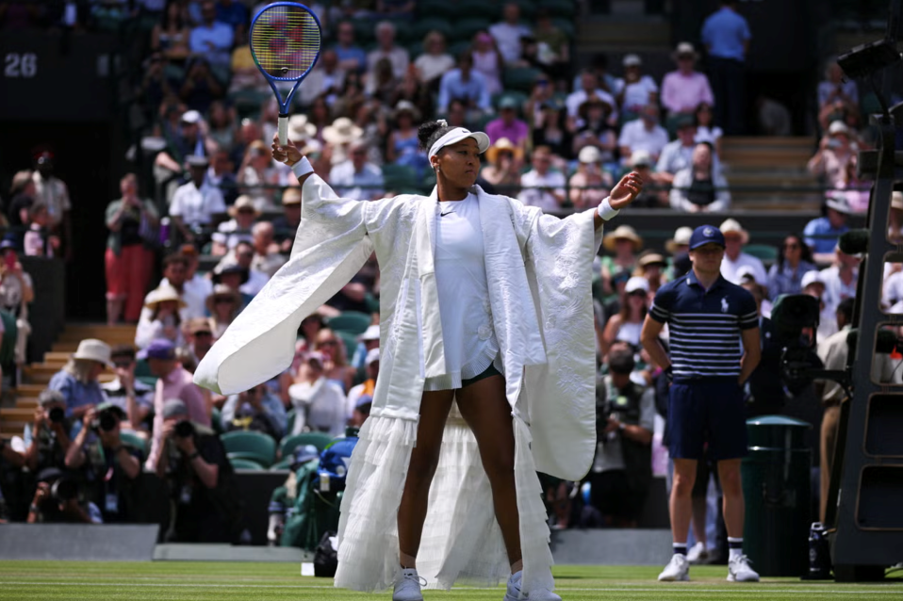
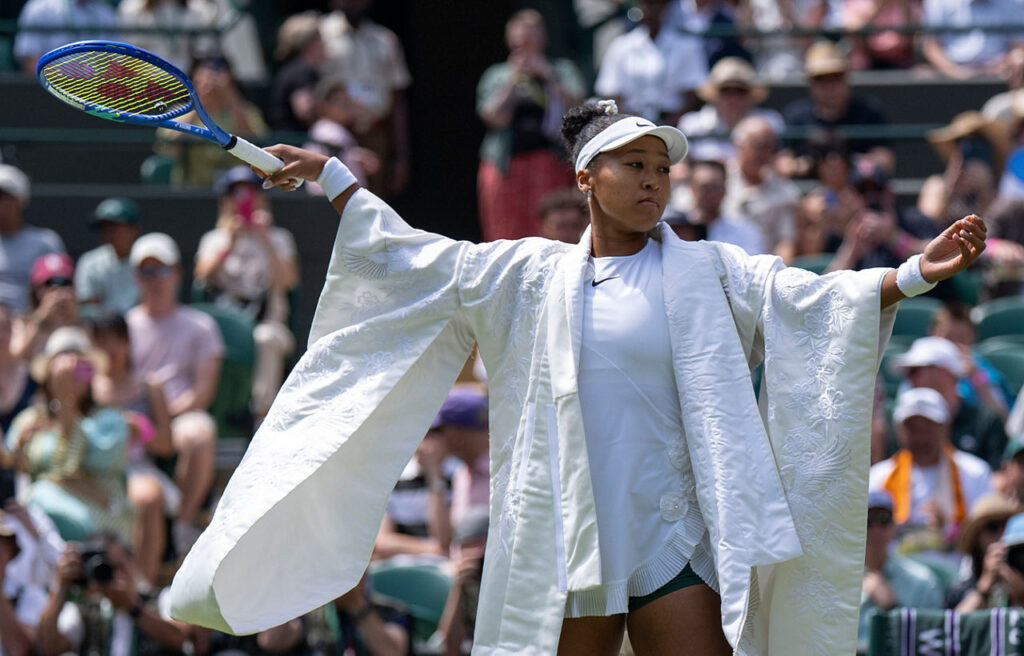
Naomi Osaka provided the most striking example. Walking onto court in a bespoke all white creation designed by Hana Yagi, complete with dramatic bows, sculpted sleeves and Japanese ceremonial influences inspired by Kill Bill, Osaka blurred the line between elite sport and haute couture. The outfit was so remarkable it appeared in Vogue before it reached the grass courts of SW19.
It was never intended to improve her backhand. Instead, it was about identity.
Sports psychologist Claire Marie Roberts believes those few minutes before a match can shape an athlete’s mindset. “Self confidence is the single biggest predictor of your ability to attain your goals,” Roberts explained. “Anything that strengthens that before competition is incredibly powerful.”
The psychology is simple. Just as soldiers wear armour before battle, elite athletes increasingly use clothing as part of their mental preparation. Confidence often begins long before the warm up.
Former world number one Coco Gauff admits she barely notices what opponents wear once play begins, but acknowledges the growing relationship between tennis and fashion. The walk onto court has become part of an athlete’s personal brand as much as their performance.
Osaka is far from alone.
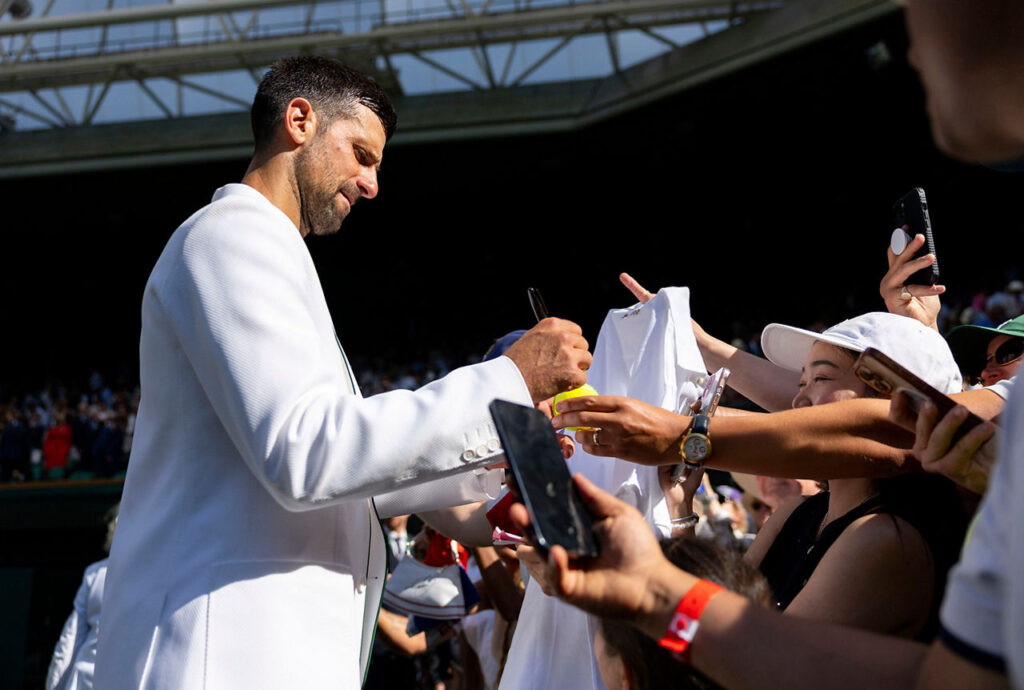
Seven-time Wimbledon champion Novak Djokovic has arrived for his matches wearing a bespoke white Lacoste blazer, an elegant addition to the sport’s most famous stage. Jannik Sinner has continued pushing fashion boundaries through his partnerships with luxury brands, while Serena Williams has spent years proving that elite performance and style can comfortably exist together.
Even Frances Tiafoe joined the conversation this week with a theatrical reveal, dramatically removing tailored trousers before stepping onto court.
These moments are brief. Most outfits disappear before the opening point. Yet their impact lasts far longer.
The commercial value is obvious. Modern athletes are global brands, with fashion partnerships becoming almost as valuable as prize money. A memorable entrance creates headlines that travel far beyond the tennis audience.
But there is another layer unique to Wimbledon.
Unlike almost every other major sporting event, Wimbledon strips away the visual clutter. There are no courtside advertising boards competing for attention. No flashing LED sponsorships surrounding Centre Court. The pristine grass, the all white clothing and the iconic green surroundings create a stage where every detail matters.
That makes the player the spectacle.
Every blazer, jacket or custom designed outfit stands out because the setting remains beautifully understated. Perhaps that explains why these walk on’s have become so important. Wimbledon is not changing its traditions. Instead, today’s players are finding creative ways to express themselves within them.
It is a delicate balance between heritage and modernity. For two weeks every summer, Wimbledon reminds the sporting world that performance starts long before the first serve. Sometimes confidence begins with preparation. Sometimes it begins with belief.
And sometimes, it begins with what you choose to wear before walking through those famous gates onto the most prestigious tennis courts in the world.