
By Lehlohonolo Lehana.
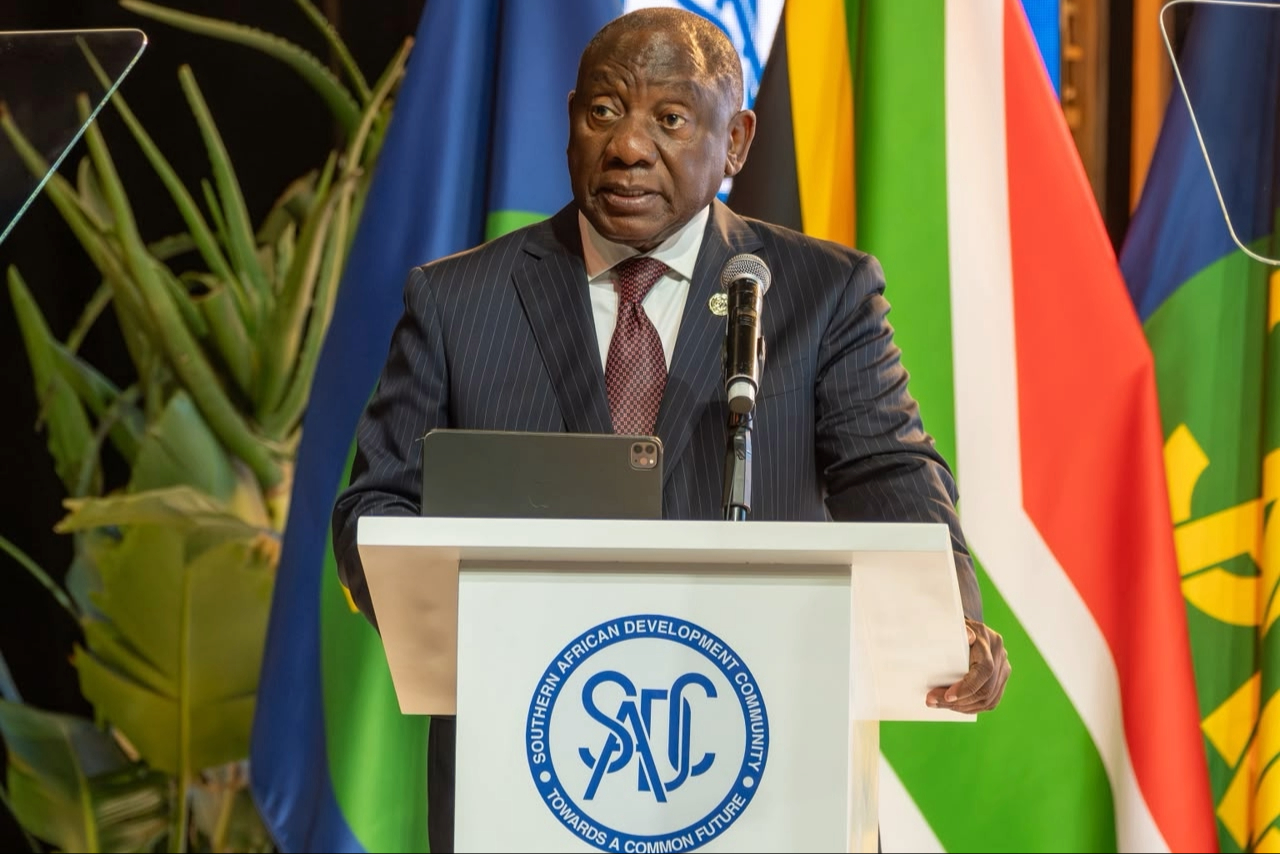
The Southern African Development Community (SADC) officially approved the agreement establishing the SADC Tourism UniVisa during the 46rd Ordinary Summit of Heads of State and Government in Durban.
In its final communiqué, the Summit stated that it had “approved the Agreement Establishing the SADC Tourism UNIVISA” and called on member states to sign it.
SADC currently comprises Angola, Botswana, Comoros, the Democratic Republic of the Congo, Eswatini, Lesotho, Madagascar, Malawi, Mauritius, Mozambique, Namibia, Seychelles, South Africa, Tanzania, Zambia and Zimbabwe.
The concept is aimed at making it easier for tourists to travel across multiple SADC destinations, supporting multi-destination tourism and increasing the economic benefits of tourism for the region.
The UNIVISA has been under discussion as part of SADC’s efforts to facilitate movement and strengthen regional tourism. Earlier this year, SADC reported that participating countries were being encouraged to accelerate visa harmonisation, finalise revenue-sharing arrangements and complete technical preparations for a pilot phase.
The instrument is particularly relevant to SADC’s wider objective of making borders facilitators of economic activity rather than obstacles to it.
This also complements the region’s work on tourism-friendly border posts.
In July, SADC convened a workshop involving border officials from Angola, Botswana, Namibia, South Africa, Zambia and Zimbabwe to address challenges experienced by tourists at border posts and improve customer service.
Before any broader regional expansion, UNIVISA is expected to be tested through a pilot program involving five countries:
- Angola
- Mozambique
- Namibia
- South Africa
- Zimbabwe
The five countries formally agreed to participate in the pilot during the Summit on Transfrontier Conservation Areas, held in Harare in May 2025. At the time, regional leaders described UNIVISA as a way to simplify cross-border travel and encourage tourism within Southern Africa.