
By Kevin Rademeyer, Sports Journalist.
Photo Credit: SA Rugby.
For all the history, all the near misses, all the silverware and all the noise that has surrounded the return of the Greatest Rivalry, it comes down to this.
Saturday afternoon at Ellis Park. The Springboks against the All Blacks. Between them they have won 7 of the 10 World Cup’s. nearly 2,000 Test caps packed into the two matchday squads, two teams carrying the weight of more than a century of rivalry, and very little room for error.
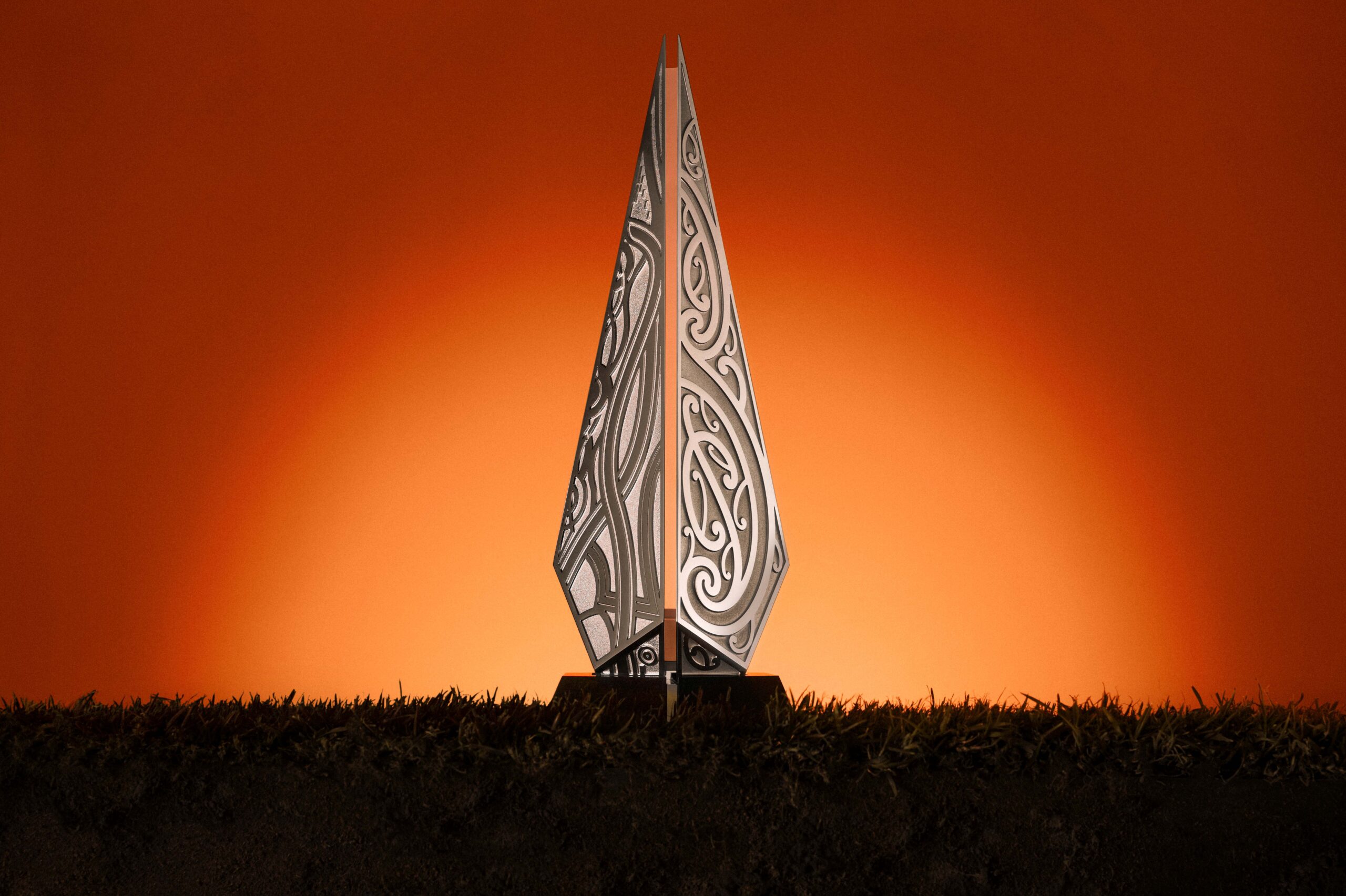
The tour matches against South Africa’s franchises are finished. The selection arguments are over. The new trophy has been unveiled. The talking is almost done. Now comes the part that matters.
Rassie Erasmus admitted that even he feels the tension. “For me personally, this is one of the most enjoyable and nerve wracking games,” the Springbok coach said. “As I’m sitting here, I’m nervous. I’m not going to pretend I’m not.” That is probably the most accurate description of what awaits.
The numbers alone are enough to explain the nerves. The teams have met 110 times, with New Zealand winning 63, South Africa 43 and four matches drawn. Yet at Ellis Park, the historical advantage swings towards the hosts. The All Blacks have won only six of their 16 Tests against the Springboks at the ground.
And this Springbok side has been selected with the sort of detail that suggests Erasmus knows exactly where he wants the game to be won.
Damian de Allende will earn his 100th Test cap, extending his formidable midfield partnership with Jesse Kriel for the 45th time. Eben Etzebeth and Ruan Nortjé provide experience and physical authority in the second row, while Jasper Wiese offers the carrying power South Africa will need when the game becomes congested.
Then there is Ox Nché. His return from a knee injury is significant. South Africa have backed him to start in what could be one of the most important individual battles of the Test, particularly if the scrum becomes a weapon in the final quarter. And that is where the Springboks may hold their most obvious advantage.
Look beyond the starting XV and Erasmus has Malcolm Marx, Manie Libbok, Cobus Reinach, Gerhard Steenekamp and André Esterhuizen among his options. The bench is not simply there to replace tired players. It can change the shape of the match.
South Africa have made a habit of doing exactly that. The All Blacks know it. Their answer has been to select size without sacrificing mobility. Fabian Holland, at 2.04m and around 125kg, will provide considerable presence alongside Josh Lord, while Tupou Vaa’i moves to blindside flank to add height and athleticism around the set piece.
Ardie Savea returns to captain the side at No 8, with Luke Jacobson completing the loose trio. It is a selection designed to make sure New Zealand are not bullied. But their greatest threat remains what happens when they get the ball moving.
Cam Roigard finally gets his opportunity after missing the three tour matches through injury. Will Jordan returns on the wing, Damian McKenzie is back at fullback and Ruben Love retains the No 10 jersey. That gives the All Blacks genuine attacking weapons across the field.
Roigard has been waiting for this moment. “It’s a pretty awesome opportunity to finally play them at their home,” he said. “Been waiting a few years for this opportunity.” He will face Grant Williams, whose pace and instinct around broken-field play have become increasingly important to the Springbok attack.
The battle at the breakdown could determine how often either player gets to impose himself. Erasmus expects the All Blacks to attack that area aggressively. “They want to run you off your feet and make sure that they win their breakdown ball lightning quick,” he said. “They’ll do whatever it takes at that breakdown.”
That is the challenge for South Africa. Slow New Zealand’s ball and the Springboks can dictate the contest. Give Roigard quick possession and suddenly the field opens up.
Will Jordan knows the other major battle will come in the air. “It’s no secret the guys like retreating to catch,” he said. “It’s been the biggest difference. That’ll be a step up this weekend with the way the Springboks go hard in that area.”
The aerial contest will be fascinating because neither side can afford cheap territorial mistakes. South Africa’s back three of Cheslin Kolbe, Kurt Lee Arendse and Damian Willemse are dangerous under pressure, while Jordan gives New Zealand another player capable of turning a loose kick into an attacking opportunity.
The first 20 minutes could set the tone New Zealand’s tour victories have shown the danger of allowing them to play at tempo. Their 50 -19 demolition of the Bulls produced eight tries and repeatedly exposed what happens when a defence becomes stretched. But the Bulls are not the Springboks.
South Africa will test New Zealand in a different way. They will ask the All Blacks to defend multiple phases, contest the breakdown, absorb carries and make difficult decisions in their own half. New Zealand’s answer has to be composure.
Jordan remembers how quickly momentum changed when the All Blacks last lost control against South Africa. “When they do get the momentum, how do we as leaders get the group together, stay composed, and flip that around?” he asked.
That may be the question that decides this Test. Because this will not simply be about which team produces the better rugby. Both have enough talent to do that. It will be about who remains calm when the game becomes ugly.
Who wins the collisions when legs become heavy. Who protects the ball when the crowd is at full volume. Who makes the right decision with five metres to go and the scoreboard within a converted try.
Sean Fitzpatrick, who captained the All Blacks in the famous 1996 series, knows the importance of the opening Test. “The first test is paramount,” he said. He could hardly have put it better.
There are four Tests in this revived rivalry, but Ellis Park is the first examination and perhaps the most revealing. The winner leaves Johannesburg with more than a victory. They leave with belief, momentum and a psychological advantage that could linger deep into the series.
The trophy may have two halves. The rivalry does not. And when the whistle goes at Ellis Park, none of the history will matter unless one team can seize the present.
Kick Off : Saturday 22 August at 17:10
Springboks – 15 Damian Willemse, 14 Cheslin Kolbe, 13 Jesse Kriel, 12 Damian de Allende, 11 Kurt-Lee Arendse, 10 Sacha Feinberg-Mngomezulu, 9 Grant Williams, 8 Jasper Wiese, 7 Pieter-Steph du Toit (c), 6 Paul de Villiers, 5 Ruan Nortjé, 4 Eben Etzebeth, 3 Wilco Louw, 2 Malcolm Marx, 1 Ox Nché.
Bench: 16 Jan-Hendrik Wessels, 17 Gerhard Steenekamp, 18 Zachary Porthen, 19 Cobus Wiese, 20 André Esterhuizen, 21 Marco van Staden, 22 Cobus Reinach, 23 Manie Libbok.
All Blacks – 15 Damian McKenzie, 14 Will Jordan, 13 Quinn Tupaea, 12 Jordie Barrett, 11 Josh Moorby, 10 Ruben Love, 9 Cam Roigard, 8 Ardie Savea (c), 7 Luke Jacobson, 6 Tupou Vaa’i, 5 Fabian Holland, 4 Josh Lord, 3 Tyrel Lomax, 2 Codie Taylor, 1 Ethan de Groot.
Bench: 16 Asafo Aumua, 17 George Bower, 18 Fletcher Newell, 19 Anton Segner, 20 Peter Lakai, 21 Kyle Preston, 22 Anton Lienert-Brown, 23 Leroy Carter.