
By Lehlohonolo Lehana.
South African business leaders and government have launched Phase 3 of their economic partnership to push gross domestic product (GDP) growth above 3% and create one million jobs by 2030.
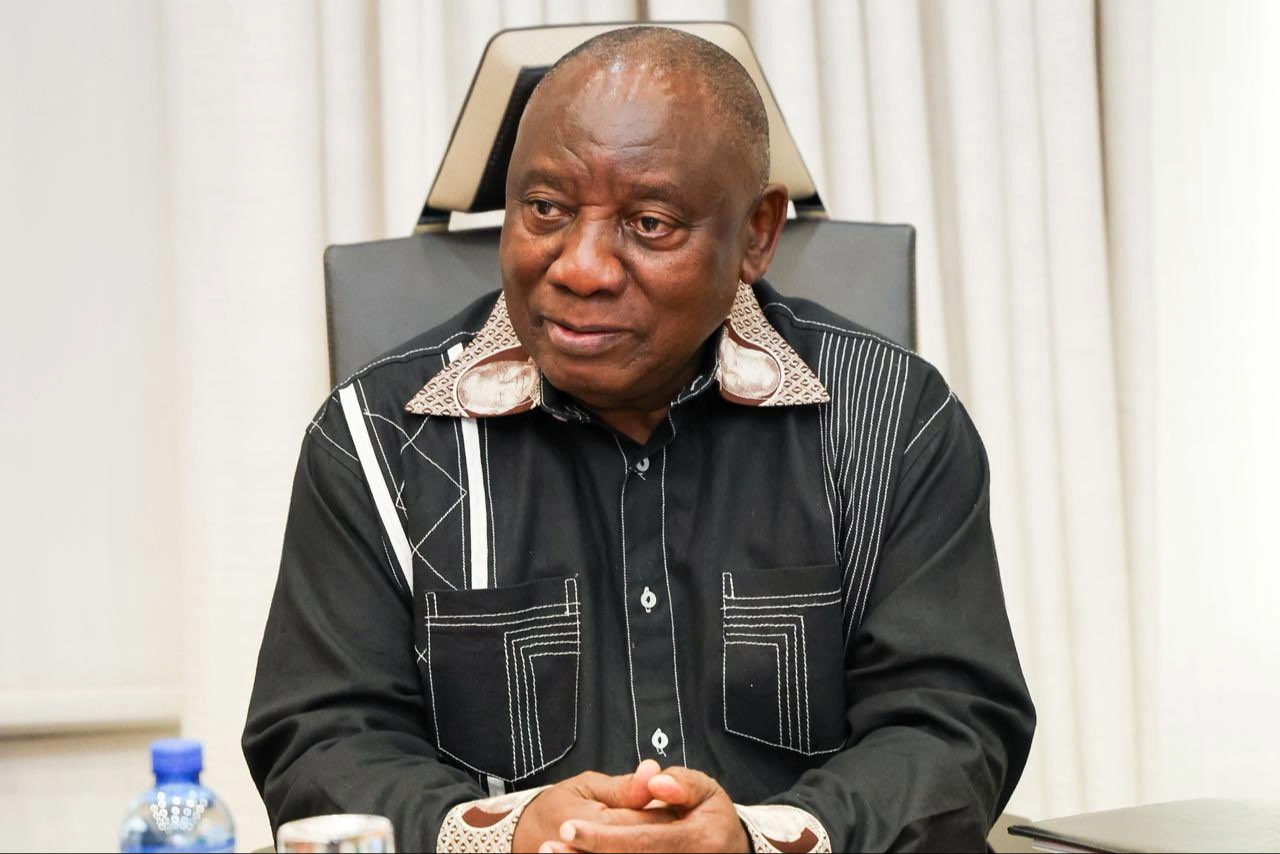
In his latest newsletter to the nation on Monday, 24 August 2026, President Cyril Ramaphosa said the third phase, launched last week, builds on the progress made through the partnership since its establishment in 2023, when South Africa was grappling with severe constraints in electricity supply, freight logistics and security.
The President said the partnership had demonstrated the value of collaboration between the public and private sectors in addressing the country’s most pressing economic challenges.
Phase Three has set a target of lifting South Africa’s GDP growth above 3% a year and contributing towards the creation of one million new jobs by 2030.
The next phase will be driven by three pillars aimed at turning macroeconomic stability into broader improvements in the lives of South Africans.
The first pillar will focus on sustaining the country’s core economic enablers. This includes completing the unbundling of Eskom, building new electricity transmission lines, fully operationalising the wholesale electricity market and expanding private train operations on the rail network.
The second pillar will focus on unlocking growth in industries with significant employment potential, including mining, agriculture and agro-processing, tourism and infrastructure.
Key interventions include rolling out the new mining cadastre system to boost mineral exploration, streamlining visa systems to attract international tourists, expanding agricultural export markets and scaling up public-private investment in infrastructure.
The third pillar will focus on strengthening confidence in society and the economy.
This will include efforts to tackle crime and corruption, extend partnership models to improve municipal service delivery and strengthen specialised forensic capacities to
The partnership will also intensify efforts to create employment and livelihood opportunities for young South Africans.
This will include joint initiatives to increase youth placement in entry-level jobs, supported by increased employment incentives and assistance for work-seekers.
Government will also sustain and expand effective public employment programmes while working with business to improve the transition of young people into sustained earning opportunities.
Ramaphosa said the experience of the partnership over the past three years had demonstrated that South Africa’s economic challenges could not be addressed by any one sector acting alone.
“The overarching lesson of these past three years is that no single sector of society can resolve South Africa’s economic challenges in isolation. Government brings an electoral mandate, regulatory authority and policy direction. Business brings investment, technical skills and resources,” he said.
He said closer alignment between government, business, labour and civil society could help the country translate reforms into stronger economic growth and shared prosperity.
Echoing the President’s sentiments on government-business collaboration, reform improvements and economic growth in her weekly newsletter, BLSA CEO Busisiwe Mavuso said the current progress made in this regard demonstrates that this partnership has moved beyond discussion and produced some tangible outcomes.
“The partnership’s renewal marks an important change in emphasis. We have been focused on fixing what’s broken. That has involved major reform and operational turnarounds in our critical network infrastructure.”
“Government has also been highly effective in turning around the dire state of public finances to the point where we have received upgrades to our national credit rating,” she highlighted.
Moreover, Mavuso noted that the private sector has already invested more than R360-billion in new energy generation capacity, while more than R20-billion had been committed to port and rail infrastructure.
However, she said these reforms should be viewed ultimately as growth enablers rather than an end in themselves.
“The hard work starts now. Growth of more than 3% is the target we must all be held to. The jobs South Africa needs depend on us hitting it,” Mavuso stressed.