
By Doyinsola Oladipo.
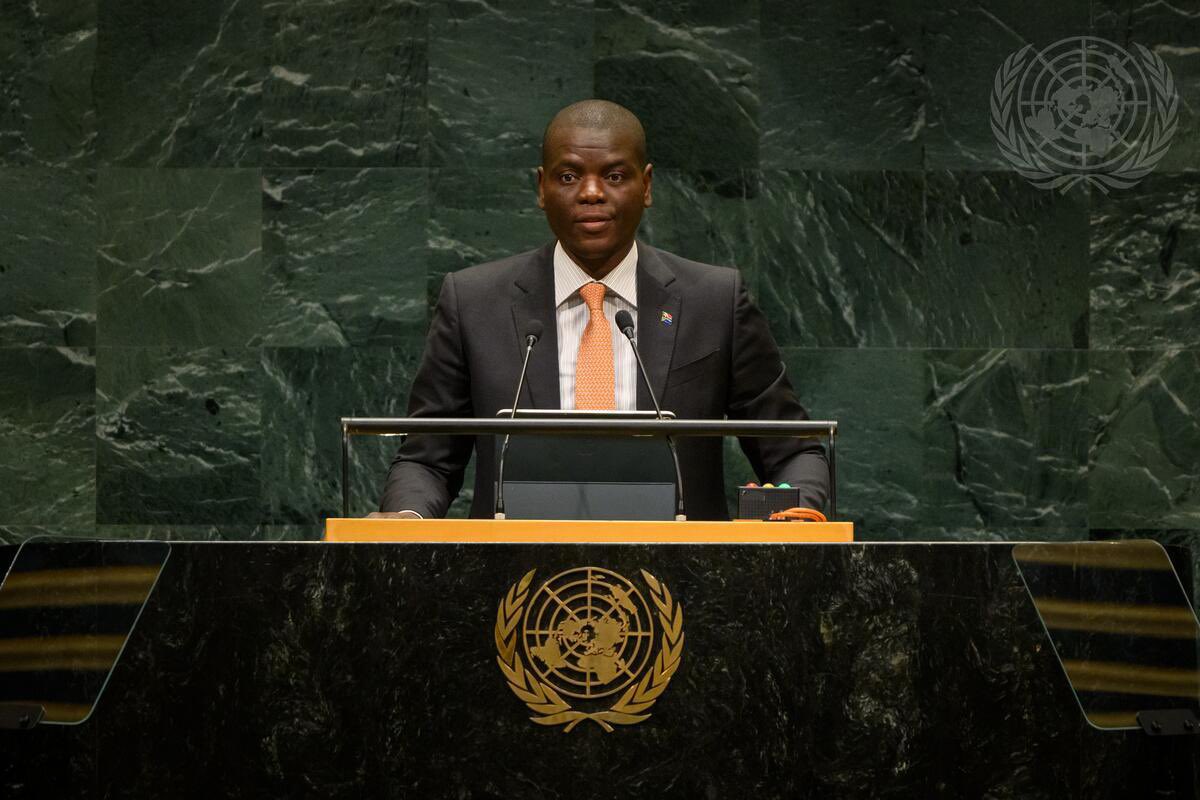
South Africa remains open to talks with the US on areas of dispute, including rules for foreign investors on Black employment and ownership, although it was surprised by last week’s US visa restrictions, Foreign Minister Ronald Lamola said on Friday.
The two countries were discussing ways to accommodate new US entrants into South Africa’s mining sector, among other matters, Lamola said, and were making progress when Secretary of State Marco Rubio announced curbs on visas for South Africans, citing concerns over its laws and policies. He did not specify who would be subject to the ban.
“South Africa remains open to engage with the U.S. administration on all the issues that they have put on the table,” Lamola said in an interview on the sidelines of the UN General Assembly.
“We are predictable and reliable partners, and we see the U.S. as an important strategic partner.”
President Donald Trump’s administration has criticized South Africa over a range of issues including actions aimed at addressing racial inequality, which he says hurt the African nation’s white population.
While South Africa has criticized the new visa restrictions, Lamola said Pretoria did not want a “tit-for-tat war” with Washington over the issue, given the importance of the economic relationship, but said the current US administration was unpredictable.
“You can’t be confident of anything with the current administration, and it’s not only Pretoria. I think all countries of the world, the friends and foes of the US view it the same,” he said.
Washington is also pressing Pretoria over its land reform policies and its genocide case against Israel at the International Court of Justice.
Lamola called Washington’s resettlement program for white Afrikaners a “race-based” program and questioned their designation as refugees, saying some continued to visit South Africa after leaving. He said Pretoria, however, would neither stop nor interfere with South Africans who choose to participate.
On South Africa’s genocide case against Israel at the International Court of Justice, Lamola said the case “has to have a life of its own” and must be decided by the court, with international law serving as an “equalizer amongst nations, big and small.”
After the announcement of visa restrictions on September 15, the US ambassador to South Africa said they were “only the first step in a series of escalatory measures” and that the time for endless dialogue had run its course.
“If you can’t dialog and you want to declare that dialog has run its course, you are in the wrong profession — you are not a diplomat,” said Lamola, adding that only Washington knows if the relationship will recover.
© 2026 Reuters.