
By Kevin Rademeyer, Sports Journalist.
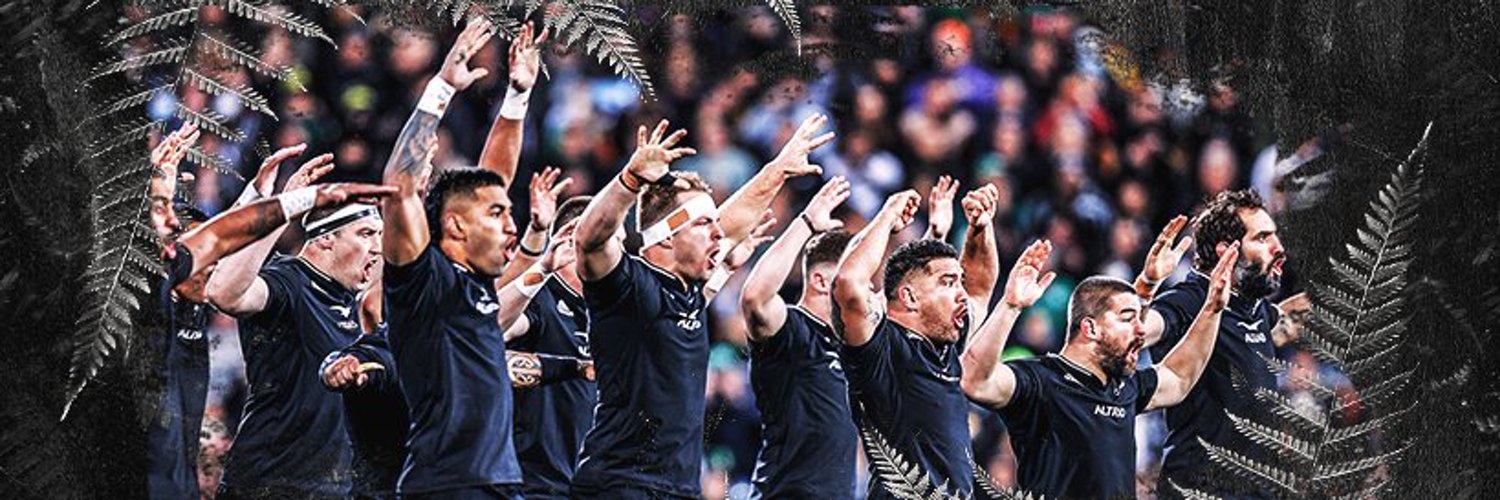
Photo Credit: All Blacks.
Australia were still in the contest at half time, but by the final whistle at Eden Park, the familiar pattern had reasserted itself. New Zealand scored five second half tries to beat the Wallabies 50 to 19 on Saturday, retain the Bledisloe Cup and extend a remarkable unbeaten run at their Auckland fortress.
The result settled the annual Trans- Tasman contest for another year, with New Zealand retaining the trophy for the 24th consecutive season. Australia last held the Bledisloe Cup in 2002. They have been chasing it ever since.
Eden Park has proved an even more stubborn obstacle. The All Blacks have now gone 54 matches without defeat at the ground, a run stretching back to 1994, while Australia’s last victory there came in 1986. The Wallabies’ 40 year wait for a win in Auckland continues, and Saturday’s second half offered another painful illustration of the scale of the challenge.
For 40 minutes, however, Australia gave themselves reason to believe.
Ben Donaldson was influential in the opening exchanges, producing an intelligent tip pass to send fullback Tom Wright over for the first try. New Zealand responded through loose forwards Peter Lakai and Tupou Vaa’i, with Damian McKenzie’s sharp running helping to unsettle the Australian defence.
McKenzie, moved to flyhalf after Richie Mo’unga was ruled out with a calf injury, brought the directness and attacking instinct New Zealand needed. His penalty extended the lead to 17 to 7, but Australia finished the half strongly. Donaldson broke through again, creating the opportunity for captain Harry Wilson to score beneath the posts and reduce the deficit to 17 to 14 at the interval.
The Wallabies had made a match of it. They had also shown enough attacking promise to suggest that New Zealand’s injury disrupted backline might be vulnerable.
That promise faded quickly after the restart.
Australia threatened to move ahead, only for an obstruction at a five metre lineout to halt a promising attack. New Zealand survived, regained possession and exploited their advantage in the aerial contest to turn the pressure around.
Cam Roigard darted over to restore a 10 point lead. Codie Taylor followed with another try, and the atmosphere among the 46,352 spectators shifted from nervous anticipation to growing confidence. The All Blacks had found their rhythm, and Australia had no effective answer.
Leroy Carter extended the advantage after linking with the outstanding Lakai, although concern followed when the winger appeared to injure his leg while scoring. Josh Moorby, brought on as his replacement, crossed later in the match, before Will Jordan finished the scoring after the siren.
Australia managed a late try through Josh Nasser, but it did little to alter the impression left by a second half in which New Zealand scored 26 unanswered points before the Wallabies’ late response.
The statistics reflected the home side’s control. New Zealand made 160 carries to Australia’s 105, recorded 10- line breaks against four and won four turnovers. The All Blacks’ ability to turn possession into forward momentum, combined with their command of the high ball, gradually wore down the visitors.
The relationship between the Roigard and McKenzie, the cleanliness of the pack, and the instinct of the outside backs made for some irresistible play from the All Blacks with ball in hand. Will Jordan remains a match-winner, both on defence and attack.
Jordie Barrett was outstanding, and was central to the performance. He carried 18 times for 33 metres and made 16 tackles, producing the sort of physical, disciplined display that allowed New Zealand to dictate the contest even when Australia threatened to gain ground.
Coach Dave Rennie was emphatic in his assessment of the midfielder. “He’s the best midfielder in the world by a long shot, I reckon,” Rennie said. “He’s got an unbelievable skill set, but it’s the engine to go with it, the physicality. He had a fantastic tour and was huge again tonight.”
Barrett’s influence was especially important given the disruption to New Zealand’s preparations. Mo’unga’s late withdrawal added to an injury list that already included first choice flyhalf Ruben Love, captain Ardie Savea and several other established internationals. Rennie responded by shifting McKenzie to No. 10 and bringing veteran Beauden Barrett into the starting side at fullback.
The reshuffle could have unsettled a less experienced team. Instead, New Zealand found their attacking fluency as the match wore on, with McKenzie contributing 15 points through his kicking and helping to unlock the Australian defence.
The All Blacks struggled to compete with the high ball in South Africa, however Australia used it as weapon two weeks ago versus the Springboks. That dominance changed again n Auckland as the Wallabies could never get to grips with Roigard’s box kicking and the power of the All-Blacks kick-chasers. “They were probably a little hungrier at the crumbs,” Tom Wright stated after the match.
For Wallabies coach Les Kiss, the defeat ended a six -Test unbeaten run and offered a sharp reminder of the difference between building momentum and sustaining it against the All Blacks. Australia had started with intent and created opportunities, but their inability to convert promising positions into points proved costly.
The teams meet again in Sydney next week, where Australia will have another chance to respond. The match will also carry added significance with the sides scheduled to meet in the Rugby World Cup pool stage at the same venue in a year’s time.
For the Wallabies, it’s back to the drawing board. Their first-half competitiveness offered glimpses of promise, but their inability to maintain intensity across 80 minutes ultimately proved fatal. The second-half capitulation will sting, particularly given how well they started.
New Zealand, meanwhile, can turn their attention to the next challenge with the Bledisloe Cup already secured. The trophy has remained on their side of the Tasman since 2003, and Eden Park continues to provide the clearest evidence of why Australia’s pursuit has been so difficult.
On Saturday, the Wallabies were competitive for a half. Against New Zealand at Eden Park, that was never going to be enough.
All Blacks – Tries: Peter Lakai, Tupou Vaa’i, Cam Roigard, Codie Taylor, Leroy Carter, Josh Moorby, Will Jordan. Conversions: Damian McKenzie (6). Penalty: McKenzie.
Wallabies – Tries: Tom Wright, Harry Wilson, Josh Nasser. Conversions: Ryan Lonergan (2).