
By Kevin Rademeyer, Sports Journalist.
Photo Credit: ICC.
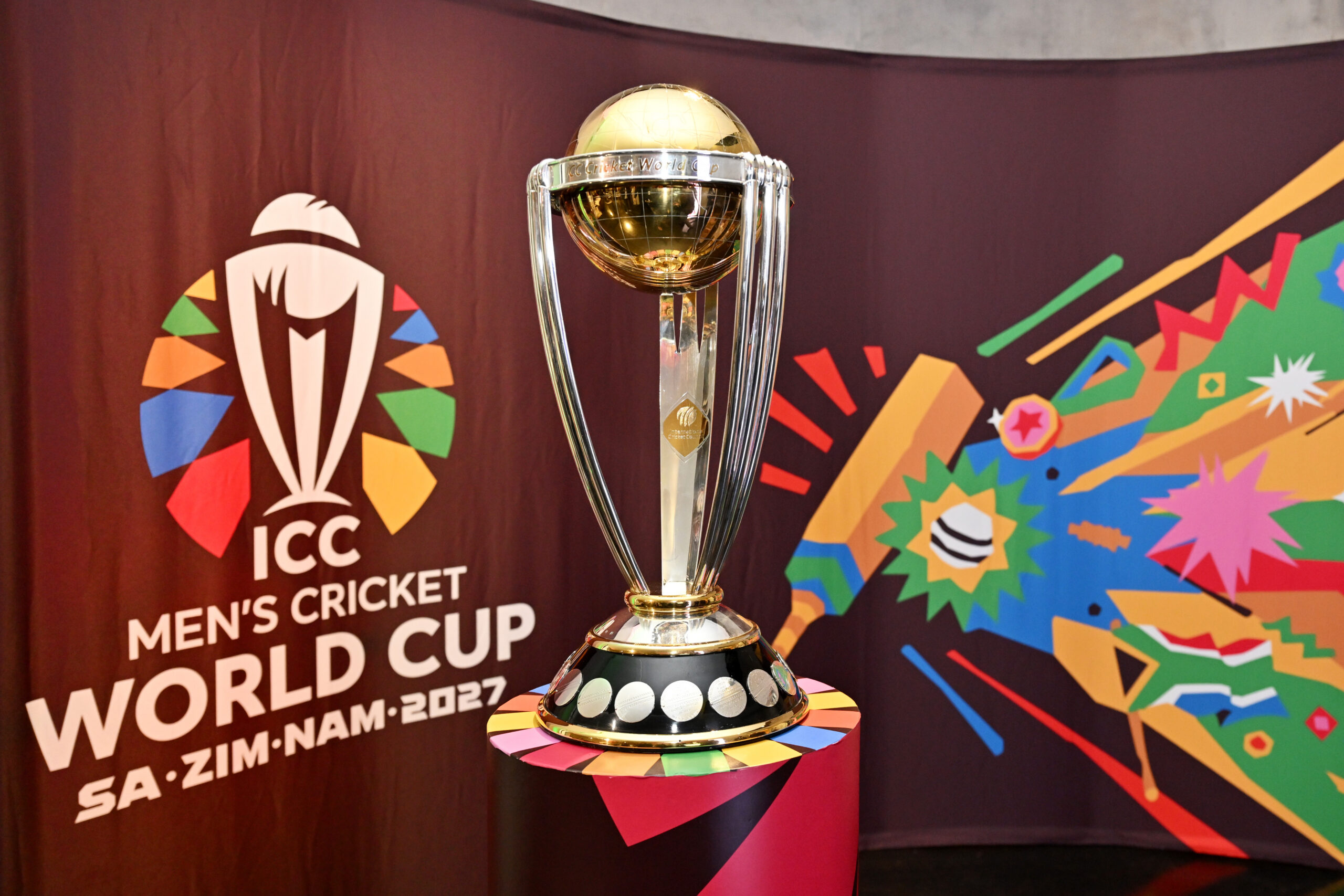
The cricket world is already clamouring for a place at Africa’s biggest cricket spectacle, with more than 15 million tickets applied for in just 12 days for the 2027 ICC Men’s Cricket World Cup.
For South Africa, the extraordinary demand is more than a vote of confidence in the tournament. It offers a timely opportunity to revive Cricket South Africa’s finances, attract visitors and deliver an economic boost, provided the event lives up to its enormous promise.
Since the ticket ballot opened on 1 October, the International Cricket Council has received 4,423,417 registrations covering 15,083,752 tickets, with fans from 142 countries expressing interest. The United Kingdom leads the demand, followed by South Africa, India, the United States and Australia.
The response has accelerated sharply, rising from one million ticket applications last week to more than 15 million in less than a fortnight.
The tournament, which runs from 2 October to 21 November 2027, will be staged across South Africa, Zimbabwe and Namibia, bringing the world’s leading cricket nations to the region.
ICC chief executive Sanjog Gupta said the demand reflected the stature of the World Cup, the appeal of Africa as a destination and the promotional work undertaken by the governing body and its partners.
The ballot remains open until 23:59 South African time on 21 November.
Entry is free, and fans can register for multiple matches, with one entry permitted per person for each fixture. It is not a first come, first served process, meaning registering early does not improve an applicant’s chances.
Where applications exceed available tickets, successful applicants will be selected through a randomised ballot and notified by email about purchasing tickets.
For South Africa, the excitement comes at a critical moment. Cricket South Africa recently reported a net loss of R440.6 million in its latest integrated financial report, while revenue fell from R1.39 billion in 2024/25 to R856 million in 2025/26.
A season without home international cricket contributed to the decline, alongside the effect of currency movements on broadcast revenue.
The World Cup could provide a substantial financial cushion. Of the tournament’s 57 matches, 41 will be played in South Africa, including the semi finals and final. The Wanderers in Johannesburg will host the final on 21 November 2027, placing the country’s largest cricket venues and commercial centres at the heart of the event.
The scale of the potential attendance is significant. Projections presented by CSA to Parliament estimate 594,767 spectators across the eight South African venues, representing about 85 per cent of the combined capacity forecast for the tournament. The Wanderers is projected to attract 139,057 spectators, followed by Durban with 93,821 and Cape Town with 87,333.
The financial benefits, however, need to be understood clearly. The ICC controls the tournament’s major broadcast and sponsorship rights and retains most ticketing income. CSA’s principal return comes through a hosting fee under its agreement with the ICC, alongside the economic activity generated by staging the event. Sources cited in reporting on the tournament have put CSA’s expected hosting fee close to R500 million, although the figure has not been publicly confirmed.
That money would help offset the estimated R295 million budgeted for stadium upgrades. Hotels, restaurants, transport operators and other tourism businesses could also benefit from the arrival of international supporters, although the scale of that wider impact will depend on visitor spending and how successfully the tournament is delivered.
There are risks. Hosting a global event requires secure venues, effective transport and safety arrangements, and careful financial management. The tournament must also provide value for local supporters, rather than becoming an occasion accessible only to travelling fans and those able to afford premium hospitality packages.
The extraordinary ballot figures offer an encouraging start, but applications are not the same as confirmed attendance or guaranteed revenue. The real test will be turning global interest into a successful tournament that leaves lasting benefits for South African cricket and the wider economy.
For CSA, the World Cup arrives when its finances need relief. For South Africa, it is a chance to showcase its venues, tourism offering and passion for cricket to a global audience. If the organisers get the details right, the 2027 tournament could deliver far more than packed stands: it could provide a much needed boost to the game and the country hosting it.