
By Lehlohonolo Lehana.
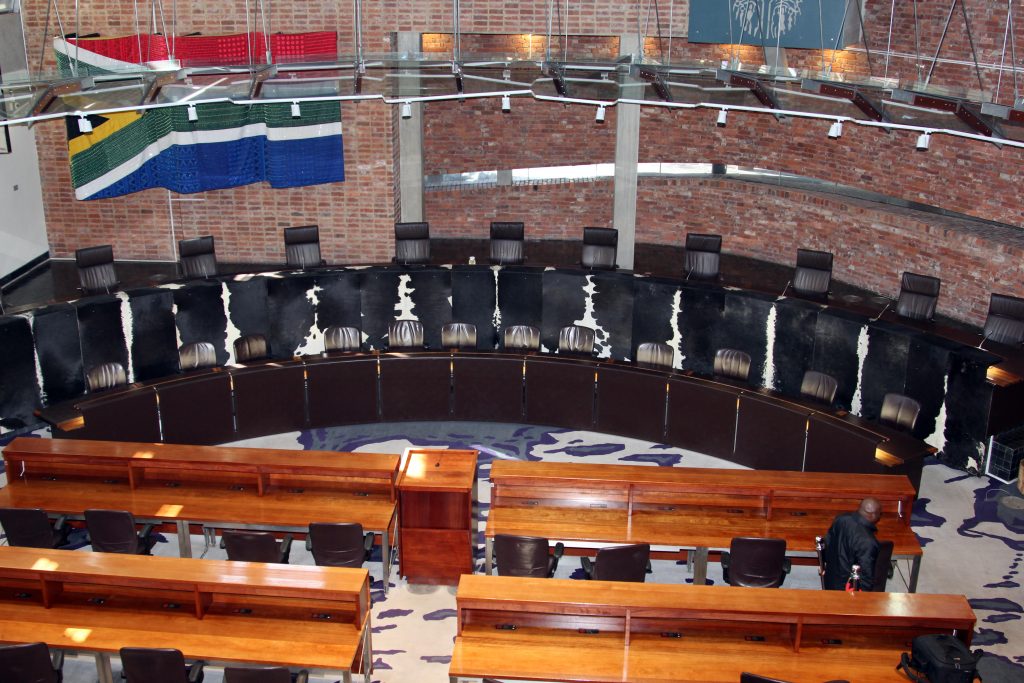
The Constitutional Court of South Africa ruled that former and current President (Thabo Mbeki, Kgalema Motlanthe, Jacob Zuma and the incumbent) violated the Constitution by taking 24 years to decide the joint pardon application of Fusi Simon Mofokeng and Tshokolo Joseph Mokoena.
Mofokeng and Mokoena served long prison sentences under common-purpose convictions before receiving pardons in late 2025 (with Mokoena receiving a posthumous pardon), leading to this legal challenge over the multi-decade administrative failure.
They were wrongly convicted in 1993 of murder, attempted murder, and conspiracy to commit robbery following a 1992 shoot-out in Bethlehem.
Their convictions rested on the doctrine of common purpose and the evidence of a single unreliable state witness.
Both men submitted their joint presidential pardon application in November 2001.
Mbeki established the Special Presidential Pardons process in 2007 under Section 84(2)(j) of the Constitution to address politically motivated crimes not covered by the Truth and Reconciliation Commission (TRC).
Motlanthe served as acting president during parts of the special pardons review period where victim participation and applications were evaluated.
Zuma succeeded Mbeki and dealt with the fallout, legal challenges, and appeals surrounding the special pardons process involving various applicants who maintained their innocence or sought political pardons.
Mofokeng and Mokoena later petitioned Parliament and submitted formal presidential pardon requests through their legal representation to the Minister of Justice and correctional services authorities for review.
President Cyril Ramaphosa eventually granted both men full presidential pardons on December 19, 2025, including a posthumous pardon for Mokoena.
Mokoena died before his name could be cleared. His widow, Xoliswa Mokoena, continued the legal battle on behalf of his estate.
Justice Narandran Kollapen, wrote an unanimous judgement, declaring that the Presidents failed to fulfill obligations under sections 84(2)(j), 83(b), and 237 of the Constitution.
Kollapen described the government’s conduct as shocking, saying the men had spent decades pleading for decisions while enduring the stigma of convictions for crimes they had not committed.
The court also criticised the government’s attempt to argue that Mokoena’s death prevented his estate from pursuing constitutional damages.
“This is untenable and smacks of an uncaring attitude,” Kollapen wrote.
The court ruled that Mofokeng and the estate of the late Mokoena are entitled to constitutional damages for the delay.
Parties must file written submissions on the quantum of constitutional damages by 11 November 2026 (applicants) and 25 November 2026 (respondents).
The judgment does not stop the applicants from pursuing separate delictual damages in the High Court, subject to legal adjustments for any constitutional damages already awarded.
The court found that the Presidency’s failures could not be excused by administrative problems or the fact that the pardons were eventually granted. Ramaphosa was ordered to pay the applicants’ legal costs.