
By Lehlohonolo Lehana.
City of Tshwane has declared tap water in Pretoria’s central business district (CBD) safe for normal use, bringing an end to the precautionary boil-water advisory.
The advisory was imposed after contamination was detected in a separate water supply source.
408 cases of gastrointestinal illness were reported in the area after citizens consumed contaminated water emanating from the Bronkhorstspruit Water Treatment Works (BWTW).
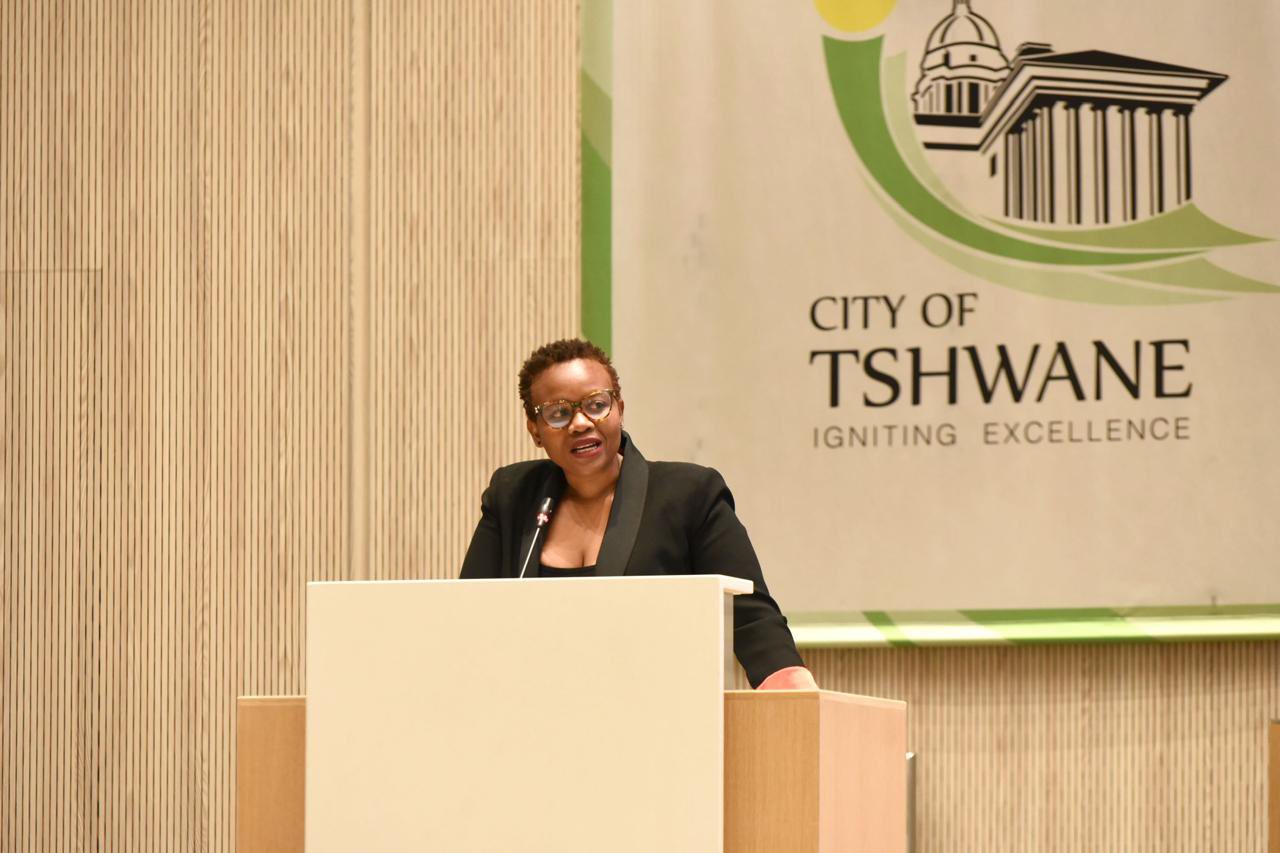
Tshwane mayor Nasiphi Moya admitted to Parliament’s health and water committees that the Bronkhorstspruit Water Treatment Works should never have stopped chlorinating its water.
“This is indefensible, especially the issue of chlorine,” Moya said.
The Department of Water and Sanitation (DWS) said missing chlorine was the cause rather than the plant’s other faults.
“It must be emphasised that the cause of the gastrointestinal illnesses was the absence of chlorination, not the issues requiring repair described in the previous slide,” DWS stated in its presentation.
The Public Protector of South Africa (PPSA) confirmed it will probe allegations of maladministration, improper conduct and prejudice against the City of Tshwane (CoT) in relation to the water crisis in Bronkhorstspruit.
Moya confirmed on Saturday, 24 October 2026, that residents in the CBD and surrounding suburbs no longer needed to boil their tap water before drinking or using it.
The decision to lift the advisory followed water quality assessments and laboratory tests conducted at the Findlay Reservoir.
According to Moya, the latest microbiological tests found no detectable E. coli or total coliform bacteria at the Findlay Reservoir.
Moya explained that the boil-water advisory remained in force despite the alternative supply being safe, as there was still a possibility that contaminated water remained in parts of the distribution system.
“The latest satisfactory results now allow these precautions to be lifted,” the mayor said.
This, however, does not mean all work related to the Fountains springs contamination has been completed.
Moya indicated the city was still addressing the damaged sewer pipe in Groenkloof, which resulted in the temporary contamination of groundwater from the springs.
Tshwane has faced numerous outbreaks from waterborne diseases in recent years. In 2023, 29 people were killed by a cholera outbreak in a township just outside Pretoria.
That outbreak, in Hammanskraal, was linked to substandard water purification practices.
In 2025, officials confirmed 48 cases of typhoid in the same area east of Pretoria. The source of the outbreak remains unclear. No cholera bacteria has been found in the latest cases.