
By Lehlohonolo Lehana.
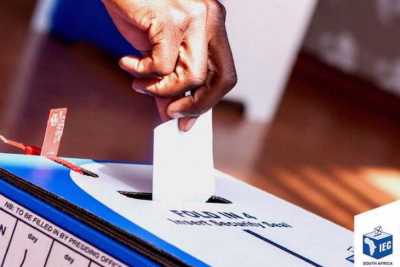
The National Assembly (NA) on Thursday afternoon passed the controversial Electoral Amendment Bill.
A total of 218 MPs voted in favour of the Bill, and 81 against.
February was the last month Parliament had to deliberate on the Amendment Bill, which is set to change how Parliament deals with individual candidates.
It will now be sent to President Cyril Ramaphosa for him to sign it into law.
Ramaphosa must enact the bill before the end of February due to a Constitutional Court order.
The Constitutional Court has granted Parliament’s request to further extend the deadline for the finalisation of the bill until 28 February 2023.
In December 2022, Parliament requested an extension from the Constitutional Court to finish the bill. The court issued an interim order to extend the deadline for the Electoral Act until 31 January.
Later that same month, on 20 January, the court agreed to extend its invalidity order until 28 February 2023 to allow Parliament more time to complete the bill, which seeks to amend the Electoral Act.
The bill seeks to adjust how and who can run for political positions in South Africa.
The Constitutional Court ruled in June 2020 that the electoral legislation should be amended to allow independent candidates to compete for election to the National Assembly and provincial legislatures.
Recent reconsideration includes the National Council of Province’s (NCOP) recent proposal to add a new paragraph to the Electoral Amendment Bill to address the unequal treatment of party candidates and independent candidates.
Only independent candidates must gather 20% of the votes required for a seat, represented by signatures, from the previous election.
The new proposal requires both party and independent candidates to gather the same amount of signatures to support their candidacy.
Before this proposal, a candidate running for a 44,000-vote seat would need 8,800 signatures (20% of total votes). The original bill only required political parties to provide a founding document and the support of 1,000 registered voters for the National Assembly.
A further change includes establishing an expert panel to consider more widespread electoral reform.