
By Lehlohonolo Lehana.
The latest full Blue and No Drop reports, along with the Green Drop progress assessment report, released by the Department of Water and Sanitation (DWS) on Tuesday, show the deterioration of drinking water quality, the state of water loss and nonrevenue water, and wastewater management performance, respectively.
The Blue and No Drop reports indicate that there has been a decline in drinking water quality and an increase in nonrevenue water since the last reports were issued in 2014. The Green Drop Progress Assessment Report meanwhile indicates a deterioration in the performance of municipal wastewater treatment systems.
The full Blue Drop report, assessing the quality of drinking water from July 1, 2021, to June 30, 2022, shows that while drinking water quality is generally good in the major metropolitan areas, there has been a regression in drinking water quality since 2014.
Of the 958 water supply systems (WSS) in each of the 144 water services authorities (WSAs) across South Africa, only 26, or 3%, scored more than 95% and qualified for the Blue Drop certification, compared with the 44 WSS, or 4%, which were awarded Blue Drop status in 2014.
According to the report, 277, or 29%, of systems located in 62 WSAs, are in a critical state, a deterioration from the 174 WSS’ in 33 WSAs that were found to be in a critical state in 2014.
Overall, 85% of drinking water systems were in an “average or better” infrastructure condition.
Of the 151 systems physically assessed, 3% were found to be in a critical infrastructural condition; 12% in a poor infrastructural condition; 49% in an average infrastructural condition; 31% in good condition; and 5% in an excellent condition.
Gauteng has the highest percentage of drinking water systems with excellent or good performance (62%), followed by Western Cape (50%).
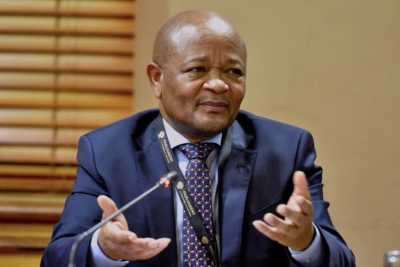
Minister Senzo Mchunu said the action plan includes the provision of grants worth more than R20 billion per annum to municipalities as well as technical and engineering support.
“Despite all the support being provided to municipalities, the drop reports indicate that water services continue to decline and that fundamental reform is required to arrest and turn around the decline in municipal water and sanitation services.
“In this regard, DWS has recently gazetted the Water Services Amendment Bill for public comment. The Water Services Act distinguishes between the roles of the Water Services Authority and Water Services Provider in municipalities,he continued.
“The WSA is the part of the municipality that is responsible for ensuring that water services are provided according to national norms and standards and the WSP is the part of the municipality which is responsible for providing the service.
“The Bill introduces a compulsory operating license system for WSPs, to be managed by DWS as the national regulator. This will enable WSAs to ensure that WSPs have minimum competency, capability, and performance levels in future.”
The minister urged the worst-performing municipalities to use the report as an opportunity to implement changes.
“You are being called upon to do a turnaround and make improvements because, as we have observed, people out there expect nothing less than high-quality water that we provide to them for drinking.
“DWS has requested WSAs with water or wastewater systems in a critical state to submit detailed corrective action plans to DWS and are offered support to produce these plans. The minister and deputy ministers of Water and Sanitation spend most of their time crisscrossing the country, visiting those municipalities with severe challenges with water and sanitation services, and DWS and Water Boards are supporting many of the municipalities to implement improvement plans agreed to by the Ministry and municipal leadership.”