
By Lehlohonolo Lehana.
Durban High Court on December 4 ruled that the Sugar Industry Agreement creates statutory, not contractual, obligations that are not overridden by the business rescue process under the Companies Act.
The purpose of the Sugar Industry Agreement is to ensure that all parties, namely growers, millers and refiners, benefit from an equitable division of the proceeds of the local market and are insulated against the risk of the export market.
The judgment holds that the obligations under the Sugar Industry Agreement are “simply the cost of doing business” and, therefore, not subject to the moratorium on the rights of claimants applicable to business rescue proceedings under the Companies Act.
“The substantive basis for the dismissal of the application is a welcome outcome for the ongoing sustainability of the sugar industry. This judgment brings the industry one step closer to a resolution of this critical industry matter. It does not, however, put the matter to bed.
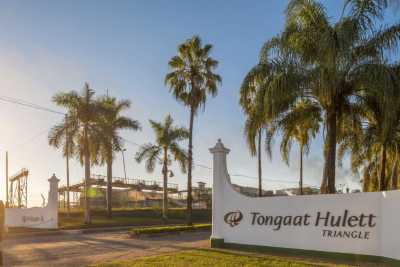
The business rescue practitioners (BRPs) for Tongaat Hulett say they are considering their next steps in the ongoing dispute over the sugar producer’s liability to settle industry levies owed to the South African Sugar Association (Sasa).
Tongaat and Gledhow Sugar Company – a KwaZulu-Natal-based sugar firm – owe the Sasa R1.5 billion in industry-related levies.
Tongaat Hulett entered the rescue process in 2022 after finding itself in financial trouble, while Gledhow began the process in March 2023. The two firms have been at odds with the industry since failing to settle their debts with the Sasa at the end of March this year.
Tongaat’s BRPs had previously challenged their obligation to the industry, arguing that the rescue process took precedence over its arrangements. However, the latest developments out of the courts suggest otherwise.
“What this means practically is that the business rescue practitioners (BRPs) at Tongaat Hulett and Gledhow cannot suspend the obligation to pay more than R1.5 billion that was due to Sasa at the end of March 2023, which was not paid at the time due to the BRP’s contention that the business rescue process took precedence over industry arrangements,” the SA Canegrowers Association said in a statement on Tuesday.
The Durban High Court dismissed Tongaat’s business rescue practitioners’ bid with costs.
The substantive basis for the dismissal of the application is a welcome outcome for the ongoing sustainability of the sugar industry. This judgment brings the industry one step closer to a resolution of this critical industry matter. It does not, however, put the matter to bed,” the association added.
SA Canegrowers had previously argued that the two firms’ non-payment would result in dire consequences for the entire industry, affecting the livelihoods of small-scale growers the most.
SA Canegrowers also noted that it will study the judgment and its implications for the industry. However, it also expressed hopes that Tongaat’s BRPs will revise their rescue plans to accommodate this latest development.