
By Lehlohonolo Lehana.
The Pretoria High Court has dismissed the Labour Party urgent application to interdict the launch of the National Dialogue, which is set to commence on 15 August 2025.
On June 10, President Cyril Ramaphosa announced what has been termed “the National Convention”, the first of which is scheduled for August and is expected to set the agenda for the National Dialogue.
The Labour Party sought an urgent interim interdict to halt the National Dialogue, arguing that the initiative is unlawful and unconstitutional.
At the heart of its objections are the costs associated with this. It also said the National Dialogue is not a genuine democratic exercise, but a costly and dangerous duplication of the national legislature.
Advocate Margaretha Enbelbrecht SC argued that the National Dialogue Preparatory Committee estimates that the initiative will cost over R700 million, according to an announcement dated June 12.
According to the State respondents, a final budget will only be developed following engagements with the National Treasury and other potential partners.
Engelbrecht said pending the determination of a later review application, the Labour Party now seeks an urgent order interdicting and restraining the operation and implementation of the president’s decision to convene the National Dialogue process, including any expenditure related thereto.
“The Labour Party is asking this court to prevent expenditure on a project for which, it is common cause, no budget has been adopted yet and, more generally, to halt the furtherance of this project until its legitimacy under the Constitution has been adjudicated upon,” she argued.
Judge AJ de Vos ruled the Labour Party’s urgent application lacked merit, with no proof of unauthorised expenditure or irreparable harm.
He said the Labour Party had not proven that the balance of convenience favours the granting of an interim interdict.
“In addition, it is not clear what relief the Labour Party would be able to obtain in due course. If it was so that the president was exercising powers he did not have, duplicating the work of Parliament and excluding sectors of society and spending more than R 700 million on such an unlawful endeavour, there would be no recourse that would undo that harm.
“Whilst the court ultimately rejected these findings – they were sufficient to show the Labour Party would not be able to obtain redress in due course. In these circumstances, the matter is urgent,” the court ruled.
The National Dialogue preparatory task team has welcomed the court’s ruling.
Anga Jamela of the National Dialogue communications sub-commitee said the ruling emphasised that the National Dialogue is not a mere talk shop but a long-term participatory process meant to reach out to the majority of South Africans.
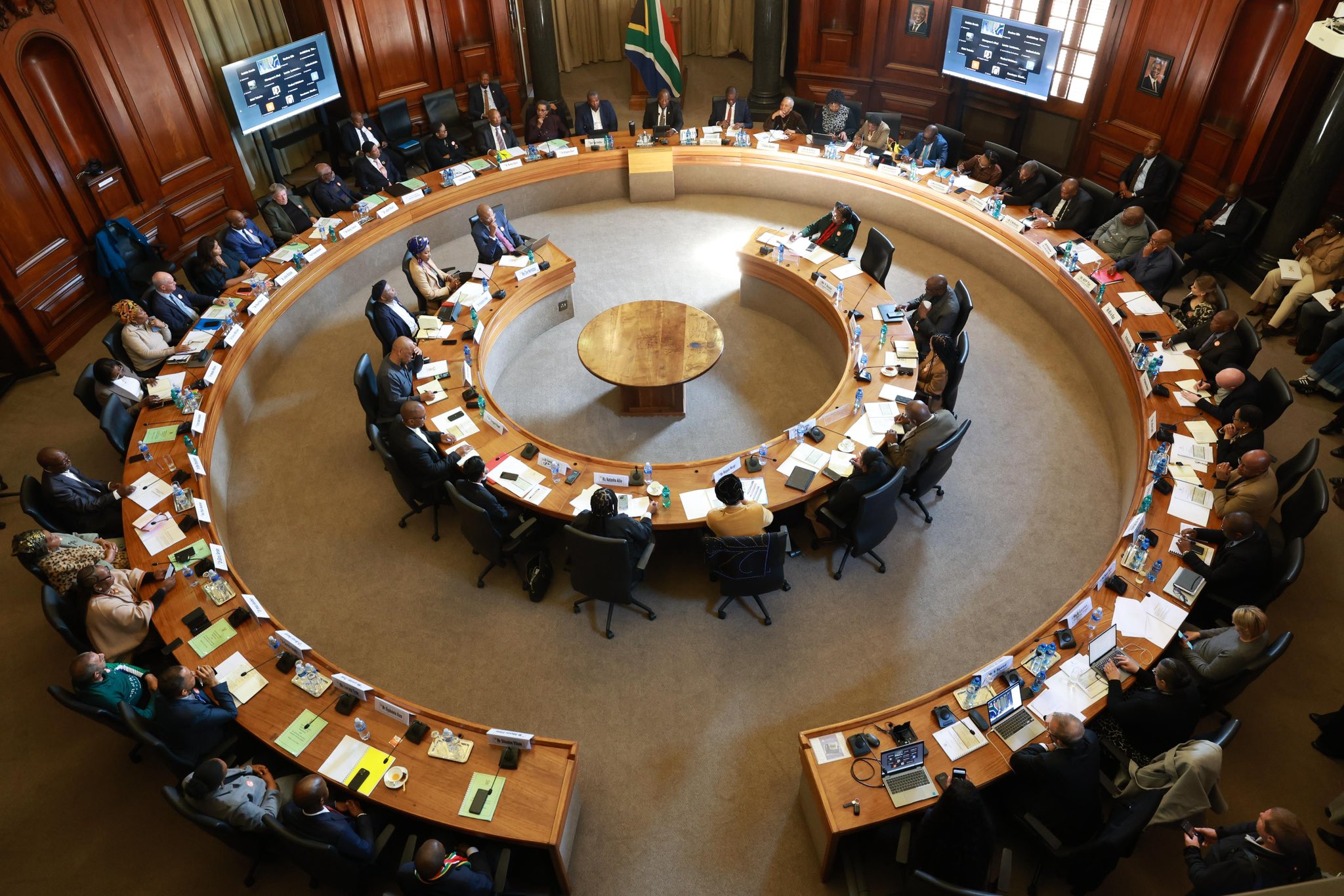
Speaking at the Union Buildings at the first meeting of the National Dialogue Eminent Persons Group last Friday, Ramaphosa described the National Dialogue as one of the most important steps South Africa can take to rebuild trust, unite its people, and respond to the deepening challenges facing the country.
“The National Dialogue is an opportunity to mobilise South Africans to address these challenges and restore our country to the path of transformation, development, and progress.