
By Kevin Rademeyer, Sports Journalist.
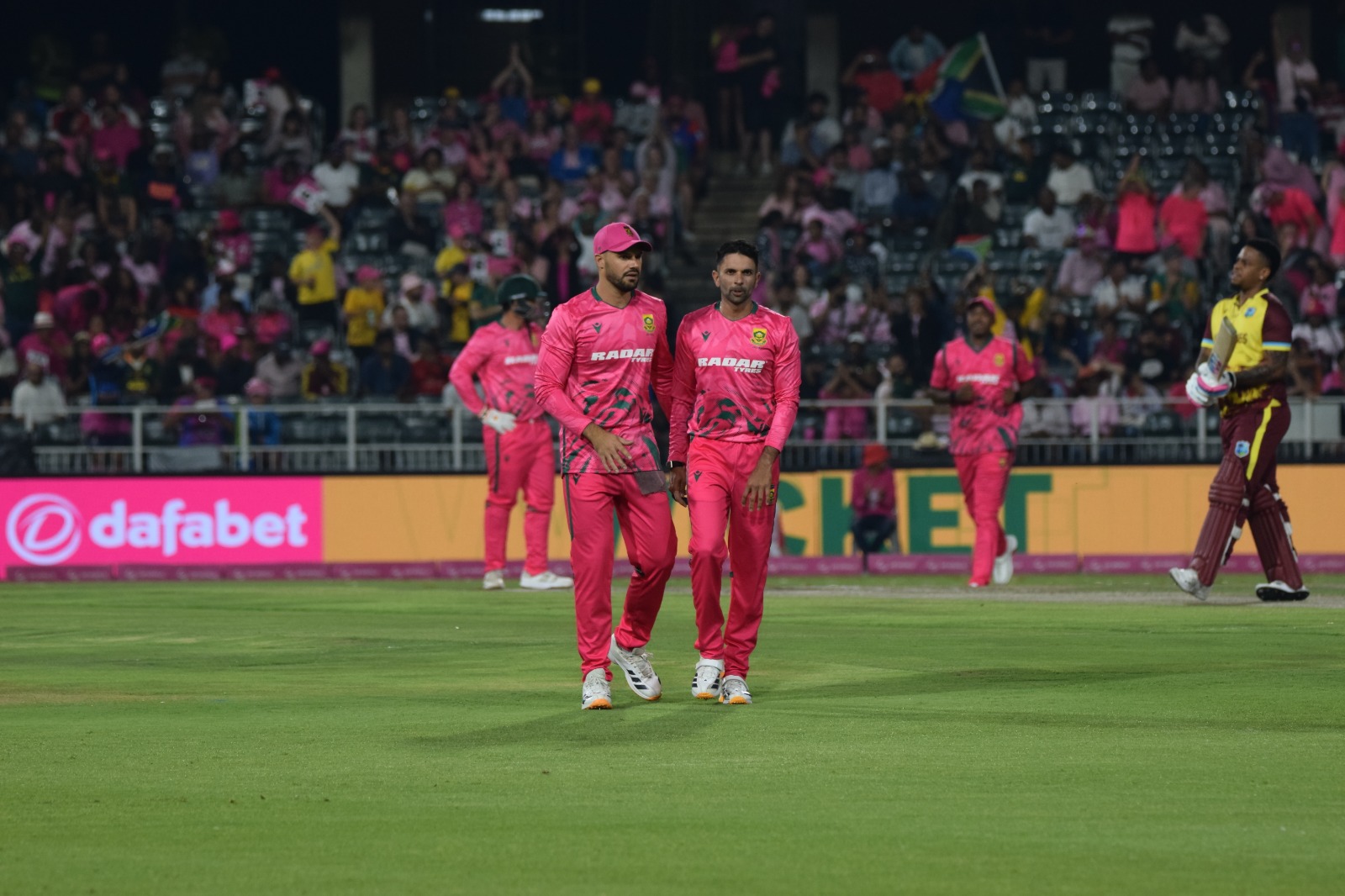
Photo Credit: Suresh Rajcoomar.
England’s limited overs tour of South Africa in January 2027 is facing uncertainty as a scheduling conflict with the SA20 once again exposes the growing strain between international cricket and franchise competitions.
England are scheduled to embark on a rare full tour of South Africa next summer, comprising three Tests, three one day internationals and three Twenty20 matches. While the Test series, set to run from mid December to 7 January, is close to confirmation, the white ball leg that follows is now under threat.
The difficulty lies in a direct overlap with the SA20, which is scheduled from 9 January to 14 February. With South Africa preparing to co host the 2027 World Cup later that year, the one day series in particular was intended as a vital opportunity to assess combinations and conditions against a leading opponent.
Cricket South Africa is understood to have proposed splitting the tour, staging the white ball matches in February once the SA20 concludes. However, the England and Wales Cricket Board has declined the request. England are due to play two Tests in Bangladesh during that period, leaving no room in their calendar.
CSA now finds itself in a delicate position. The SA20 window was agreed more than a year ago and leading South African players are contractually committed to the tournament. There is no clear provision for withdrawing them for international duty.
A similar conflict in 2024 drew criticism when South Africa sent an understrength Test side to New Zealand during the SA20. They lost the series 2 0. Although the arrangement was permitted at the time, despite raising regulatory concerns, there is little appetite within the International Cricket Council for a repeat scenario.
CSA is exploring whether the SA20 team owners, all of whom are linked to Indian Premier League franchises, might consider delaying the start of the tournament by several days. Such a move could allow the three one day internationals to proceed as planned. The three T20 fixtures, viewed as less central to World Cup preparation, may be postponed.
Even that compromise presents logistical challenges. Major venues are earmarked for SA20 use and would be unavailable during preparation periods. Alternative grounds such as Bloemfontein, Kimberley, Potchefstroom and Benoni may need to step in if the fixtures go ahead.
The standoff underscores a broader shift in the global game. National boards have increasingly allocated prime calendar windows to privately funded leagues, often securing financial stability but narrowing the space for international cricket. Access to leading players has become more complex, particularly when domestic tournaments are backed by powerful franchise owners.
England face related pressures at home. Although their players do not feature in the Hundred during international windows, this season there are only two days between the Hundred final at Lord’s on 16 August and the first Test against Pakistan at Headingley on 19 August. Under the terms of the recent equity sale, the ECB cannot withdraw England players from the competition unless they are injured, leaving minimal recovery time for those involved in the latter stages.
For South Africa, the immediate concern is preserving a marquee home series while safeguarding the commercial success of its flagship T20 competition. The coming months will reveal whether compromise is possible or whether the calendar squeeze will once again force an uncomfortable choice between country and franchise.