
By Lehlohonolo Lehana.
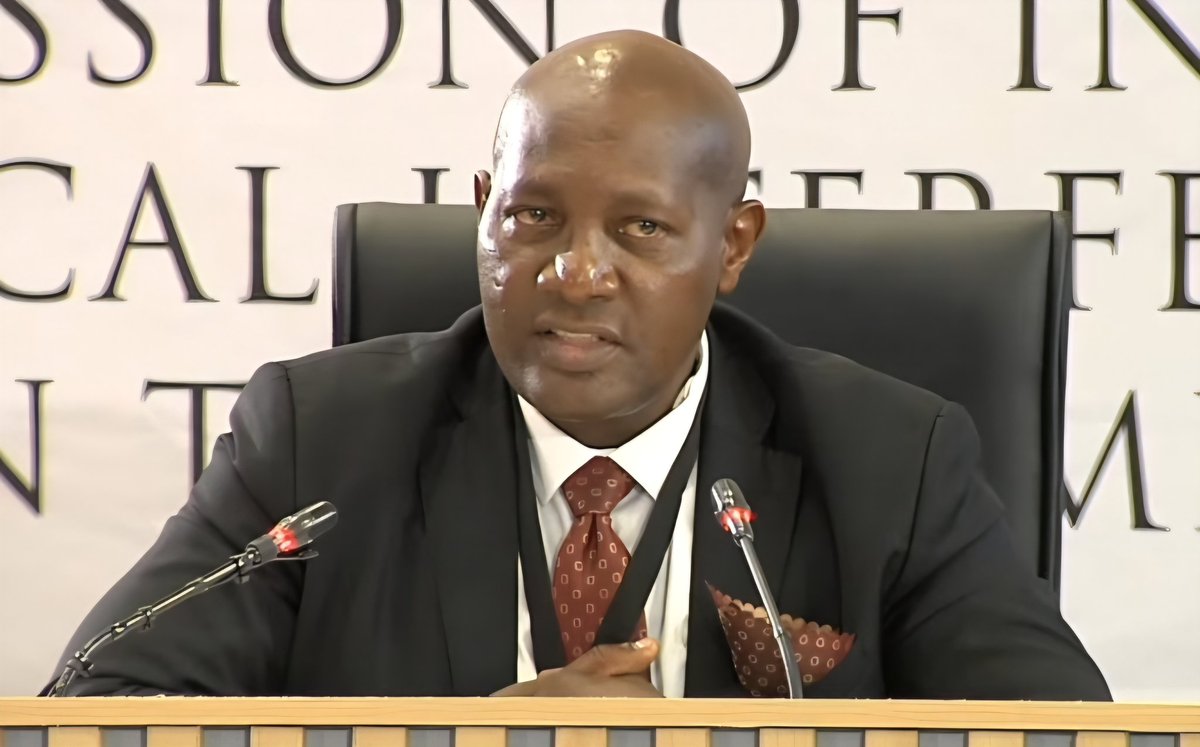
The suspended organised crime boss Richard Shibiri concluded four days of marathon testimony at the Madlanga Commission of Inquiry at the Bridgette Mabandla Justice College in Tshwane.
Much of the focus was on the R70,000 he received from alleged crime kingpin Vusimuzi “Cat” Matlala, which he insists was a loan.
Shibiri also faced tough questions about how the police can combat organised crime if senior officers admit to being afraid of criminals.
The commission pressed him to reveal the names of the “Big Five” cartel, but Shibiri refused, saying he feared for his safety.
“Even now, speaking about this publicly is not easy. It takes courage because if you have information about certain things, it can place you at risk, “Shibiri said.
He said that when he referred to the “big five” during a phone call with Witness A, he was not talking about an alleged criminal cartel.
The major-general now claims that he was referring to five business partners who share interests in mining and other companies.
Shibiri said the group includes murder-accused Katiso ‘KT’ Molefe and Mswazi Msibi, but he refused to name other individuals, saying doing so would risk his life.
“I did not want any names to be mentioned. That was my wish, but it did not happen. Perhaps I need to pray more. I did not want any names mentioned at all,” he told the commission.
Commission chair, Justice Mbuyiseli Madlanga, has expressed deep concern that two senior police generals are afraid to mention the names of suspected dangerous criminals before the commission.
Shibiri also complained that he found it not palatable with him that some of the police officers who have testified at the commission have protection but not him. He said he had requested a threat and risk assessment from his employer, but never got a response.
Evidence leader Lee Segeels-Ncube asked Shibiri why he would not name Economic Freedom Fighters (EFF) leader Julius Malema, as he is a public figure.
Malema has been identified as a person close to suspended SAPS Deputy National Commissioner Lieutenant-General Shadrack Sibiya through a businessman identified as Zee Nxumalo.
In response, Shibiri said politicians have followers and that they were like priests, and that he also has grandchildren.
According to his account, syndicates attempt to bribe investigators, prosecutors, court officials and forensic staff, while also using police insiders to monitor investigators and witnesses. Sometimes cops end up working as criminals. In some cases, the pressure escalates to intimidation, threats and even violence against investigators and their families.
Shibiri joined the police in 1988 and holds a diploma and bachelor’s degree in policing. He said it wasn’t a new phenomenon and agreed that “in some instances… criminal syndicates have infiltrated or exerted influence within law enforcement structures”.
Shibiri’s analysis of how cops are gradually compromised is a repetitive theme of the Commission. The police officers and alleged members of organised crime groups, who double as wealthy businessmen, meet at social events and spark up relationships or associations that involve exchanges of money or gifts, apparently with no concern for conflicts of interest.
Before he was suspended in February 2025, Shibiri oversaw transnational, narcotics, anti-gang, extortion, economic infrastructure and illegal mining investigations.