
By Kevin Rademeyer, Sports Journalist.
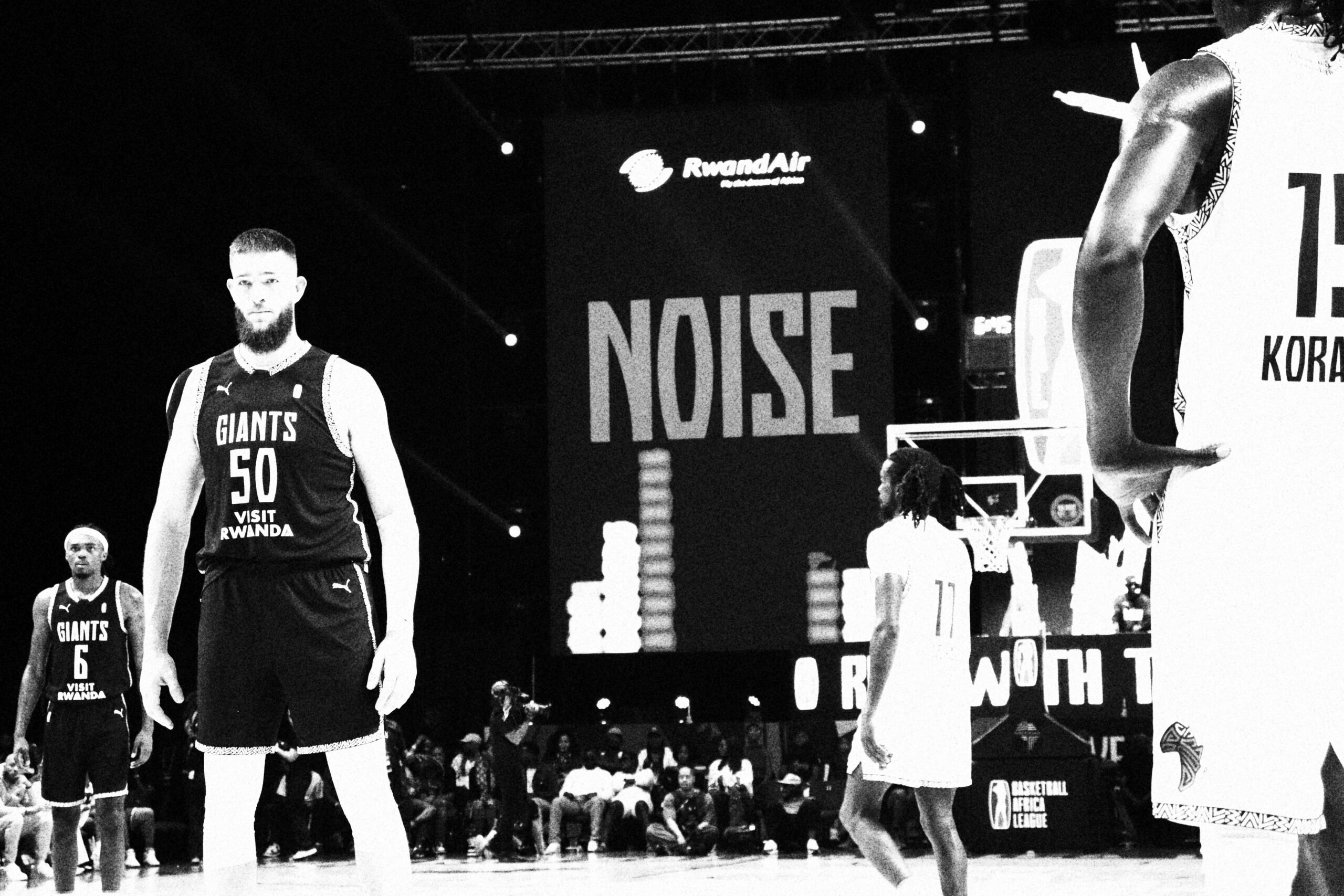
Sunday evening at the SunBet Arena carried the unmistakable pulse of high stakes basketball. A full house leaned into every possession, every defensive stand, every flicker of momentum. By the close of play on Day Three of the Basketball Africa League’s Kalahari Conference, the margins had proved unforgiving for the Johannesburg Giants, whose campaign now hangs in the balance after a second successive defeat.
They were beaten 71 to 65 by the Nairobi City Thunder in a contest that demanded resolve deep into the fourth quarter. Instead, it was composure that separated the sides. With the scores locked at 52 apiece heading into the final period, the game tilted decisively through Garang Diing.
The South Sudanese forward delivered 12 of his 24 points in the closing stretch, asserting control just as the Giants threatened to wrest it back. It was a clinical spell, one that quietened a crowd willing the home side forward.
The Giants had done the hard work to remain in contention. Trailing by double digits earlier, they pieced together a 7–0 run in the third quarter that restored belief and ignited the arena. Yet, as has often been the case in tight contests, execution faltered at the decisive moments. Defensive rotations slipped. Possessions became hurried.
Jakobi Heady led the scoring with 20 points, while Joshua Ozabor added 18, but the broader picture was one of frustration rather than fluency. “We adjusted, but we did not rotate properly,” Ozabor admitted afterwards, his assessment as direct as it was revealing. “The effort was there, but we need to be sharper.”
Across the floor, the Thunder found just enough support to complement Diing’s late surge. Tylor Ongwae and Lance Thomas chipped in with 12 and 10 respectively, while Eugene Adera spoke of a performance rooted in necessity as much as execution. “We needed this,” he said. “We stayed composed and trusted what we have built.”
For the Giants, now 0 and 2, the equation is stark but not yet terminal. Head coach Florsheim Ngwenya struck a note of guarded optimism. “We may only need two wins from the next three to progress,” he said. “So we must keep pushing.” It was less a rallying cry than a recognition of the narrow path that remains.
Earlier in the evening, the RSSB Tigers underlined the fine margins that define this competition, edging Petro de Luanda 82 to 78 in a contest that refused to settle until its final seconds.
The decisive moment belonged to Antino Jackson Jr., an unlikely figure given his quiet night. Having missed his first five attempts and spent long stretches on the bench, he returned to deliver the defining shot, a three pointer with five seconds remaining that broke a deadlock at 78 all and secured victory.
It was a finish that contrasted sharply with the Tigers’ earlier control. Teafale Lenard Jr. led all scorers with 26 points, while Mangok Mathiang added a double double of 18 points and 12 rebounds. Yet even an 11 point cushion in the fourth quarter proved fragile against a Petro side that refused to fade.
Childe Dundao’s late free throws had drawn the Angolan champions level, only for Jackson Jr. to settle matters with a moment of conviction. “I take those shots every day,” he said. “It was about staying ready.”
For Petro, the verdict was harsher. “They were mentally stronger,” Dundao conceded, pointing to a lapse in concentration when it mattered most.
Two games into their campaign, the Tigers remain unbeaten, their cohesion all the more striking given the relative newness of the group. Petro slip to one and one, still firmly in contention but reminded of the cost of small errors.
As the conference begins to take shape, the emotional rhythm of the competition is already clear. Fine margins, shifting momentum and the weight of expectation now press most heavily on the Giants. Their ambition, articulated before the tournament by captain Pieter Prinsloo, was built on cohesion and homegrown identity. For now, that promise remains intact. The results, however, demand urgency.