
By Lehlohonolo Lehana.
The Independent Electoral Commission of South Africa (IEC) is set to begin considering objections raised in the Local Government Election process.
Political parties had until 5pm yesterday to file their objections with the Commission before the outcome of the electoral process is announced on Sunday.
According to the IEC, an interested party must ensure that any late objection is accompanied by a substantive application for condonation, or else the late objection may not be considered by the Commission.
The Section 65 objection comes into operation when any aspect of the voting or counting proceedings provided for in Chapter 5 or Chapter 6 of the Act, respectively, are though to have been violated.
In simple terms, a Section 65 objection is a formal complaint you can make to the Electoral Commission (IEC) if you see cheating, unfairness, or disruptions during an election. You can launch this objection if you notice any of these three things happening:
- Problems with voting or counting: The rules for casting ballots or counting the votes are not being followed properly.
- Disruption of the election: Someone is breaking the law to block, interfere with, or stop election activities inside or right outside a voting station.
- Targeting voters: Someone is trying to bully, threaten, block, or illegally influence voters who are trying to cast their ballots.
The Commission reports that a section 65 objection would be considered to be material to the results of an election if, in the event that the objection is upheld, it would change the results of an election in the affected voting station, ward or municipality.
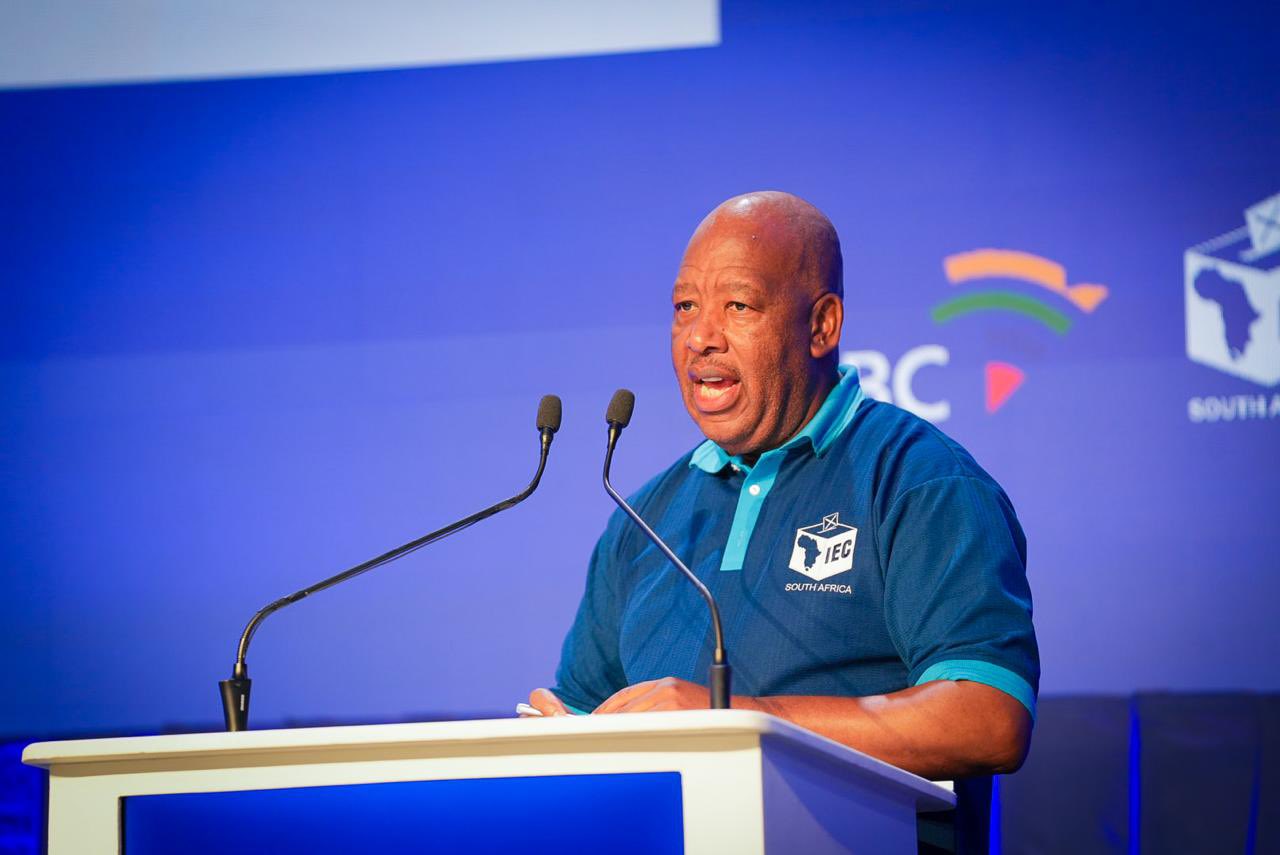
The commission had received more than 800 complaints from political contestants, with about 106 still outstanding as of Thursday evening, deputy CEO Masego Sheburi said. Most complaints relate to allegations that party agents were prevented from observing voting and counting processes.
However, these complaints do not automatically amount to formal objections under Section 65 of the Local Government: Municipal Electoral Act.
“The legislation allows interested parties to object to alleged irregularities involving voting and counting procedures, as well as certain forms of unlawful conduct. This includes interference with electoral activities and the intimidation or obstruction of voters, said Sheburi.
African National Congress (ANC) party was on about 32% of the vote and the Democratic Alliance (DA) in second place with 24% after 90% of the vote count in this week’s municipal elections, data from the election commission showed on Friday.
A projection by the Council for Scientific and Industrial Research (CSIR) suggested the ANC and DA’s vote shares were unlikely to change significantly in the final tally. The CSIR projects the ANC will end up with about 31% of the national vote and the DA about 24.5%.