
By Eric Ombok.
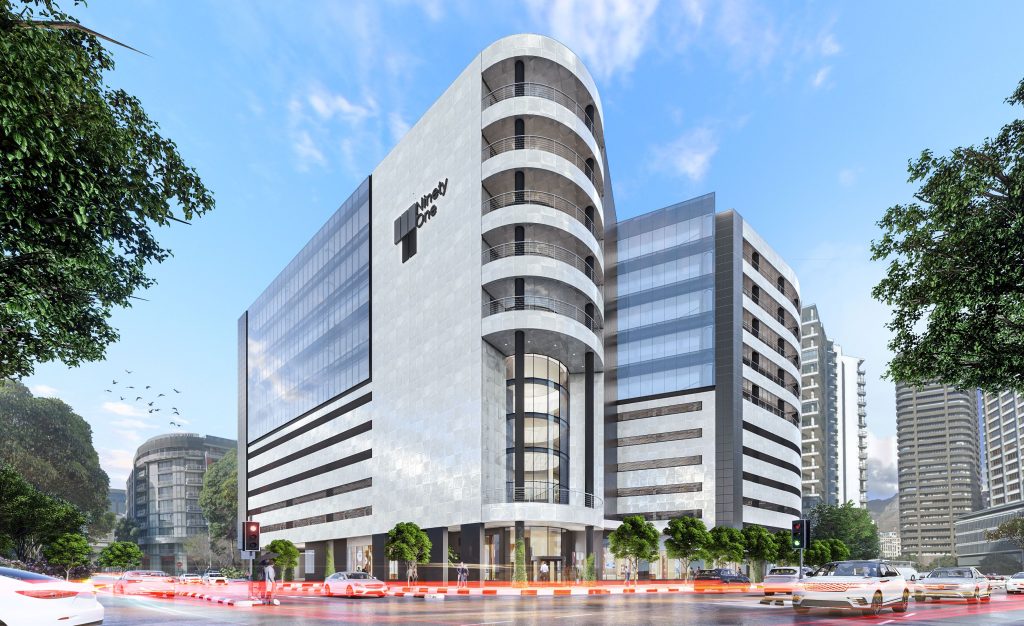
A fund run by $242 billion global asset-management firm Ninety One Plc plans to invest $1 billion in Asian and African projects over the next three years as it accelerates a push into the regions.
The Emerging Africa & Asia Infrastructure Fund, in operation for almost 25 years, invests as much as $350 million annually and expects to increase the amount over time, said Martijn Proos, the co-head of emerging-market alternative credit at Ninety One and managing director for the fund.
“If you roll that forward and you bring that to $350 million to $400 million per annum, then you get over the next three years that $1 billion amount,” he said in an interview.
The fund has an active portfolio of about $1.7 billion, with almost 85% invested in more than 25 Africa nations and the rest in Asia.
The fund will channel the bulk of its investments toward solar, wind, biomass and hydropower projects as well as off-grid systems for industries and commercial users to help meet increasing demand for electricity amid a transition to cleaner forms of energy, Proos said.
Other investments include electric vehicles, telecommunication infrastructure such as fibre network and data centres, ports, border post concessions and toll roads, he said.
“We’re seeing the opportunity in Africa where there’s still a big infrastructure-finance gap, but enormous need for capital as well, “Proos said, “Power is still slightly over 50% of our portfolio and also our pipeline looks like that. The economies are growing; there’s more need for power and at the same time the system needs transition.”
The continent with the world’s youngest and fastest-growing population needs between $130 billion and $170 billion annually to meet its infrastructure needs and has an estimated funding gap of between $68 billion and $108 billion per year according to the African Development Bank.
The fund has permanent equity capital from European governments including the UK, Netherlands, Sweden and Switzerland, supplemented by Canada and Australia.
It carries an A2 investment-grade assessment from Moody’s Ratings and draws about 60% of its investment funds from bank loans.
Its loan book has about 80 borrowers and the repayments are redeployed to projects and complemented with credit from lenders including South Africa’s Standard Bank Group, Absa Group and Sumitomo Mitsui Banking Corp, Proos said.
“We have over $1 billion of debt facilities available to us and we will continue to renew and increase bank financing as required to fund our growth, “he said.
© 2026 Bloomberg.