
By Lehlohonolo Lehana.
South Africa recorded a 9.5% year-on-year decrease in national murders for the first quarter of 2026, dropping to 5,181 reported cases, Police Minister Firoz Cachalia announced on Friday.
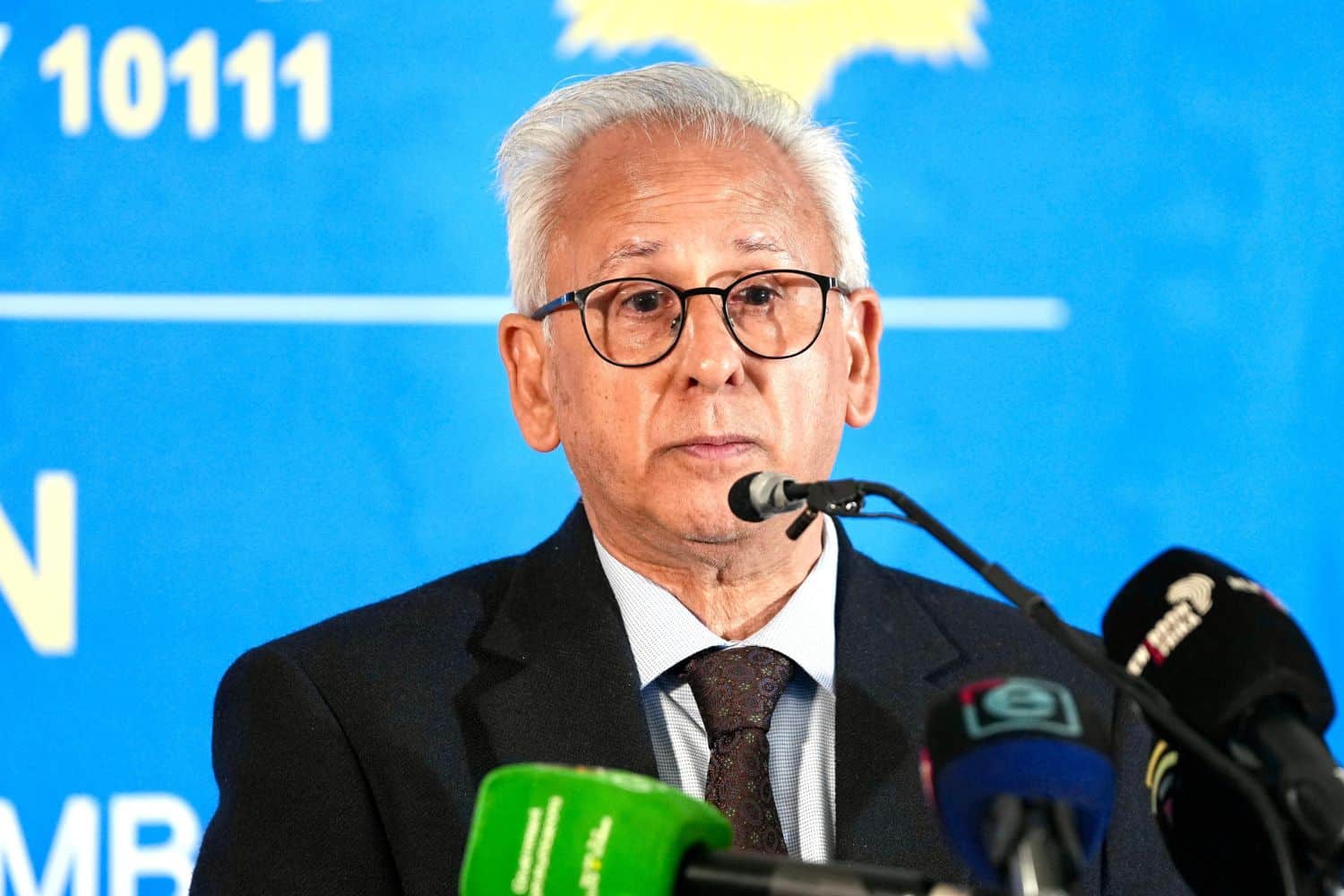
Cachalia was presenting crime statistics for the period January 1 to March 31, 2026 in Pretoria.
He said murders declined from 5 727 in the corresponding quarter of the previous year to 5 181.
Compared with the same quarter in 2024, murders fell by 1 355 cases, representing a 20.7% reduction.
“Most strikingly, murder has decreased nationally by 9.5%,” Cachalia said, describing the figure as the country’s most reliable crime indicator.
The decline formed part of a broader reduction in serious violent crime. Contact crimes, which include offences involving direct contact between perpetrators and victims, decreased by 4.6%, with 7 405 fewer cases reported than in the same quarter last year.
Cachalia highlighted significant reductions in aggravated robbery categories. House robberies fell by 20.4%, business robberies by 18.3%, and robberies at non-residential premises by 22%.
Property-related crimes, including burglary and theft of and from motor vehicles, declined by 8.5%, while other serious crimes such as general theft and shoplifting dropped by 4.2%.
The Minister attributed the improvements in part to the efforts of police officers and communities working together to combat crime.
Despite the gains, Cachalia cautioned that crime levels remain unacceptably high.
South Africa recorded an average of 58 murders a day during the quarter.
The statistics showed that Gauteng, the Western Cape, Eastern Cape and KwaZulu-Natal all recorded notable decreases in murders. However, those four provinces still accounted for more than 80% of all murders nationally.
The Minister said government would continue implementing its police reform agenda, strengthen efforts against organised crime and expand violence-prevention initiatives aimed at addressing the social factors driving violent crime.
Cachalia said 47.2% of reported rapes during the January to March 2026 period occurred in residential settings.
Of the 9 782 rapes recorded during the quarter, 4 620 took place at the home of the victim or the perpetrator.
“That is 4 620 out of” 9 782 rapes, committed not in dark alleys by strangers, but in homes, by people known to the victim, Cachalia said.
The Minister said the figures underscored the reality that violence in South Africa is often perpetrated by people known to victims, including partners, relatives, neighbours and acquaintances.
“The home, where we should be safest, is for too many of our people, a dangerous place, “he said.
The latest crime data also pointed to broader patterns of interpersonal violence. During the quarter, 1 523 murders occurred in the residences of either the victim or the perpetrator.
According to Cachalia, arguments and misunderstandings were linked to 898 murders, while 251 killings were motivated by retaliation, revenge or punishment.
He said the statistics reveal that many violent crimes are rooted in social and cultural factors, including gender inequality, toxic notions of masculinity and the acceptance of violence as a means of resolving conflict.
“This is a sobering truth: if we want to reduce violent crime, we must confront the culture of violence inside the home, the mistaken idea that men must be violent to be respected or that women must put up with violence to be loved,” he said.
Alcohol abuse also emerged as a significant contributing factor. The Minister said 7 267 incidents of murder, attempted murder, rape and assault with intent to cause grievous bodily harm were linked to alcohol use during the quarter.
Cachalia called for stronger efforts to address the social drivers of violence, arguing that policing alone cannot solve the problem.
Meanwhile Cachalia has established an advisory panel tasked with reforming the South African Police Service (SAPS).
The panel is a response to the revelations at the Madlanga Commission of Inquiry, which has heard testimony of corruption and criminal infiltration in the higher structures of SAPS.
Cachalia said that the advisory panel will be chaired by former South African Revenue Service (SARS) commissioner Edward Kieswetter.
“The role of this panel will be to advise myself and the Acting National Commissioner on the progress of the reset agenda, and on the recommendations of the Madlanga Commission. I have decided not to wait until August for the final report from the Commission, because the areas that require systemic reform are already clear.”
The institutional shake-up comes at a critical time, as fourth-quarter crime statistics released by the SAPS revealed an overall downward trend across several major crime categories, but with a strong emphasis that total crime volumes remain critically high.