
By Lehlohonolo Lehana.
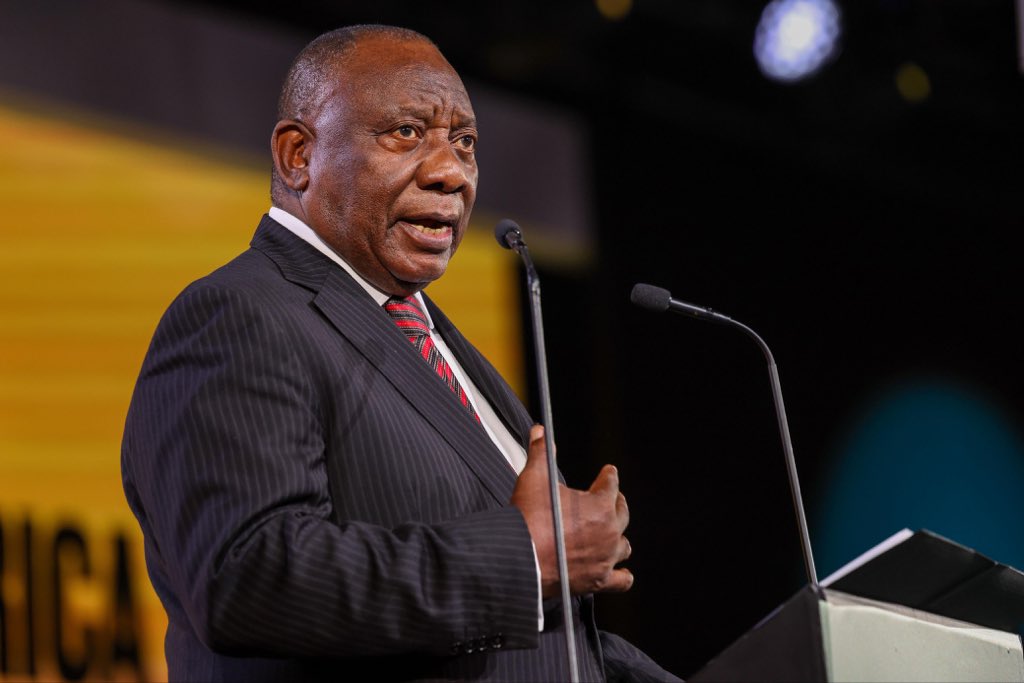
President Cyril Ramaphosa has officially opened the South African Reserve Bank museum, describing it as a place of learning, heritage and national pride that will help South Africans better understand the role of the country’s central bank.
The museum is part of the Central Bank’s effort to strengthen transparency and accountability by opening up its work to the public, with the aim of improving understanding its role in the economy and building greater trust and engagement with citizens.
The museum traces South Africa’s economic history and the evolution of money, value, and financial institutions over time. It covers early systems of exchange, the establishment of the South African Reserve Bank in 1921, and its continued role in a democratic South Africa, highlighting how the institution and the broader economy have developed through different historical periods.
The President congratulated the Reserve Bank for establishing the museum, saying it will help inform and educate the public about the role and history of the institution.
“Through its exhibitions and its dedicated schools outreach programme, we expect the museum to deepen financial and economic literacy in society,” he said.
Ramaphosa said the museum will provide young people with an opportunity to better understand how economies function and why institutions that safeguard the country’s financial system are important.
“Our young people will be able to walk through these halls and understand how an economy works, how money holds its value and why the institutions that safeguard it matter.”
The President also welcomed the museum’s inclusion of the Reserve Bank’s extensive art collection, which he said reflects the country’s rich cultural heritage.
He emphasised the importance of the Reserve Bank in maintaining economic stability, noting that a stable currency and sound financial system are essential for economic growth, job creation and household financial security.
“When inflation is kept in check, it is the poorest who are protected most. It is they who suffer the most when prices spiral and savings erode,” he said.
He stressed the need to protect the institution’s credibility and autonomy.
“We must cherish and defend the integrity and independence of the Reserve Bank for it is a national asset built up over many years and trusted around the world,” he said.
The President also paid tribute to the leaders who have guided the institution since the advent of democracy, including former governors Chris Stals, Tito Mboweni and Gill Marcus, as well as current Governor Lesetja Kganyago.
Kganyago said the central bank is often misunderstood by the public, with many unsure what it does.
The Governor joked that members of the public believe that there are gold bars in the SARB building and that the bank is sitting on “quintillions of rands”.
Given the misunderstanding around the bank, the new museum intends to highlight its history and its work.
However, it is not limited to monetary policy history; it also includes paintings, sculptures, films, and games.
The museum also hopes to help students gain a desire to study and understand Monetary Policy.
It showcases money stories, the early beginnings of currency, with an exhibition focused on the history of Mapungubwe, which was famed for its gold. The museum also traces the history of the SARB during the colonial, apartheid and democratic eras.