
By Lehlohonolo Lehana.
The Gauteng Department of Education (GDE) has concluded a comprehensive internal assessment into allegations of corruption, fraud, financial mismanagement, maladministration and procurement irregularities affecting public schools across the province.
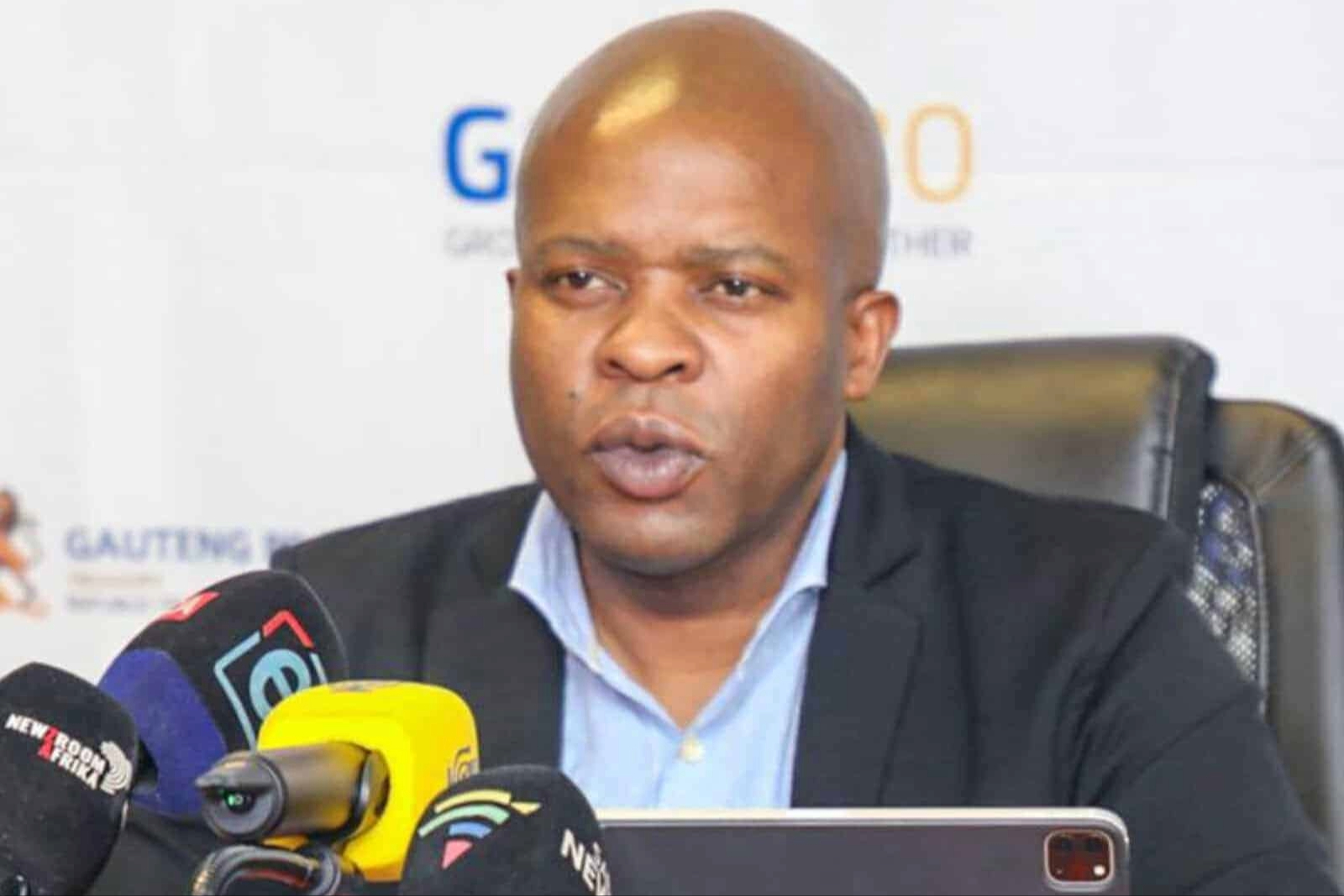
Gauteng MEC for Education, Sport, Arts, Culture and Recreation Lebogang Maile was briefing the media on Sunday.
Maile said a comprehensive internal assessment commissioned by the department had uncovered 41 serious cases of corruption, financial mismanagement, maladministration and procurement irregularities between 2023 and June 2026.
The Johannesburg East District recorded the highest number of reported cases at 24%, followed by Ekurhuleni South at 15%, Johannesburg Central at 10% and Tshwane South at 7%.
Maile said the assessment had uncovered inflated invoices, duplicate quotations, unauthorised withdrawals, cash payments without supporting records, procurement processes that were not followed and payments for goods that were allegedly never delivered.
He stressed, that corruption is not isolated but systemic.
“Corruption has not disappeared. It remains embedded in parts of the system. This is structural, not temporary,” he declared.
In one case, more than R2.2 million was overspent at a single high school; in another, inflated payments exceeded market values by up to 500 percent.
“These figures represent classrooms not repaired, books not bought, meals not served and learners not supported,” Maile said.
He condemned officials and service providers who exploit schools for personal gain.
“Public office must never be used as a private business opportunity,” he warned, adding that corruption erodes trust and undermines democracy.
The MEC also raised concerns about possible conflicts of interest involving school governing bodies and officials, including allegations that some individuals may have benefited from contracts involving schools.
The department also highlighted concerns around scholar transport, where some service providers are misrepresenting the number and condition of vehicles available to transport learners.
Maile said there was “prima facie evidence” that contractors were paid based on declared fleet sizes but operated with fewer vehicles, resulting in overcrowding, longer routes and potential safety risks for learners.
The assessment also identified theft and misappropriation of school resources, including groceries intended for the National School Nutrition Programme, furniture, stationery, technical equipment and building materials.
The MEC said the department had received information from various stakeholders, including parents, educators, learners and service providers, and would continue encouraging whistleblowers to report wrongdoing.