
By Lehlohonolo Lehana.
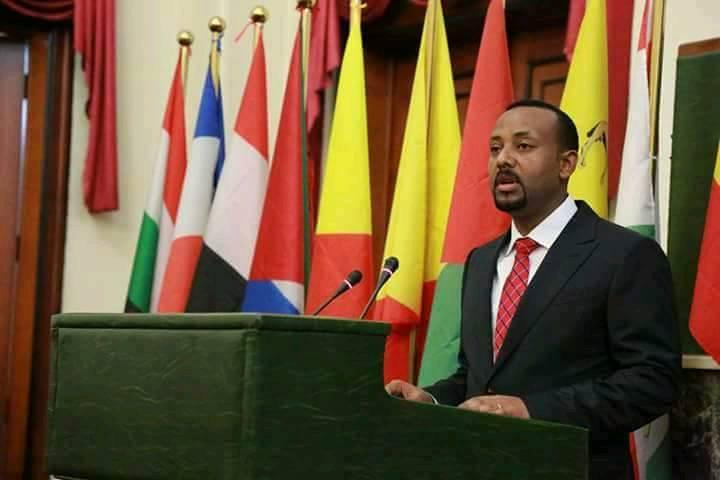
File Photo.
Ethiopia’s governing Prosperity Party has won the most seats in the country’s parliamentary election, according to official results, a victory that assures Prime Minister Abiy Ahmed a second five-year term in office.
In a statement posted on Twitter on Saturday, Abiy hailed the June 21 vote as a historically inclusive election.
“Our party is also happy that it has been chosen by the will of the people to administer the country,” he added.
The election marked the first time Abiy faced voters since he was appointed prime minister in 2018 following several years of anti-government protests.
But an opposition boycott, war in the northern region of Tigray, ethnic violence and logistical challenges in some areas overshadowed the poll.
Voting did not take place at all in three of Ethiopia’s 10 regions.
Abiy’s Prosperity Party won 410 seats in the federal parliament out of 436 where elections were held, according to results issued by the National Election Board of Ethiopia (NEBE), which said there would be a rerun in 10 constituencies.
The leader of the main opposition Ethiopian Citizens for Social Justice party, Birhanu Nega, lost while the opposition parties Ezema and the National Movement of Amhara (NAMA) each won less than 10 seats.
The election was the first test of voter support for Abiy, who promised political and economic reforms when he was appointed prime minister by the governing coalition in 2018.
Within months of taking office, Abiy lifted a ban on opposition parties, released tens of thousands of political prisoners and took steps to open up the Ethiopian economy.
He now faces international pressure over the war in Tigray and accusations from rights groups that his government is rolling back some new freedoms, which it denies.
June’s election, which had been postponed twice due to the COVID-19 pandemic and logistical issues, was largely peaceful, but the United States has called the vote “significantly flawed”, citing the detention of some opposition figures and insecurity in parts of the country.
In Abiy’s native Oromia region, Ethiopia’s largest, two of the most prominent opposition parties – the Oromo Federalist Congress and the Oromo Liberation Front – pulled out entirely, saying their candidates had been arrested and offices vandalised.
That meant the governing party ran alone in several dozen constituencies.
In the wake of the election, the Ethiopian Citizens for Social Justice party filed 207 complaints with the electoral body over the vote.
Voting in the Harar and Somali regions has meanwhile been delayed until September over security concerns and problems with ballot papers.
No date has been set for voting in Tigray, where the military has been battling forces loyal to the Tigray People’s Liberation Front (TPLF), the region’s former governing party, since November.
The fighting has displaced two million people, and the United Nations has warned of famine conditions in parts of the region.
Birtukan Mideksa, the head of the electoral board, said the vote was held at a time when Ethiopia was experiencing challenges, “but this voting process has guaranteed that people will be governed through their votes”.
“I want to confirm that we have managed to conduct a credible election,” she added.
Voter turnout was just more than 90 percent among the more than 37 million people who had been registered to vote.
Source:Fullview and News Agencies.