
By Lehlohonolo Lehana.
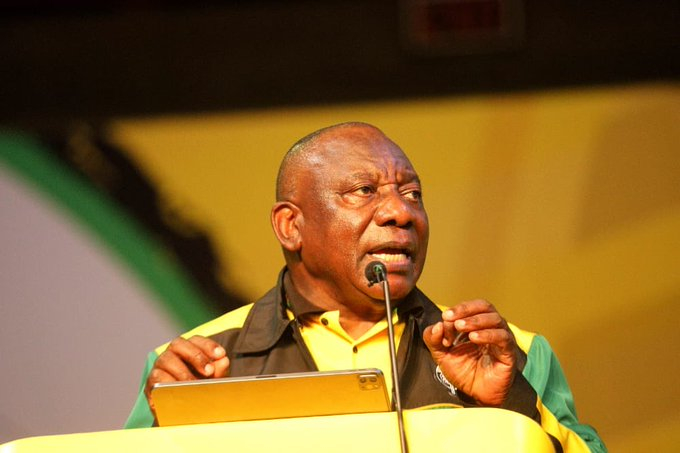
The African National Congress (ANC) this Monday morning is expected to announce the results of the top seven candidates succesfully elected for leadership positions at its 55th national conference.
Monday marks day four since the conference got under way in Nasrec, south of Johannesburg.
Candidates up for election include former health minister Zweli Mkhize, who is up against the incumbent president, Cyril Ramaphosa, for the party’s top position.
Ramaphosa and Mkhize need a minimum of 2 214 votes to win the ANC presidency.
The race remained too tight to call but there was a ground shift among supporters.
Ramaphosa first emerged as the ANC leader in a tightly fought 2017 race after his then boss Jacob Zuma became mired in corruption allegations, vowing to be a graft-buster.
But his clean-hands image has been dented by damning accusations he concealed a huge foreign currency cash burglary at his farm in 2020, rather than report it to the authorities.
He won a reprieve ahead of the conference when the ANC used its majority in parliament to block a possible impeachment inquiry.
His sole rival Mkhize hails from the same province as Zuma, the southeastern KwaZulu-Natal, which has the largest number of party delegates.
As health minister, the 66-year-old medical doctor was lauded for his handling of the coronavirus pandemic.
But his tenure ended abruptly when he resigned amid allegations his son and associates benefited from a 150 million rand contract for a Covid-19 awareness campaign. He vehemently denies any wrongdoing.
More than 4,000 delegates were casting their ballots to appoint seven top leadership roles, including party president, deputy president, chair and secretary general, at Nasrec.
The five-day conference has further exposed those divisions, with allegations of vote-buying and horse-trading ahead of the vote.
The image of the 110-year-old ANC has been fractured, and stained by corruption, cronyism and a lacklustre economic record.
An organisational report presented at the conference showed that party membership had dropped by a third over the past five years.