
By Mike Cohen.
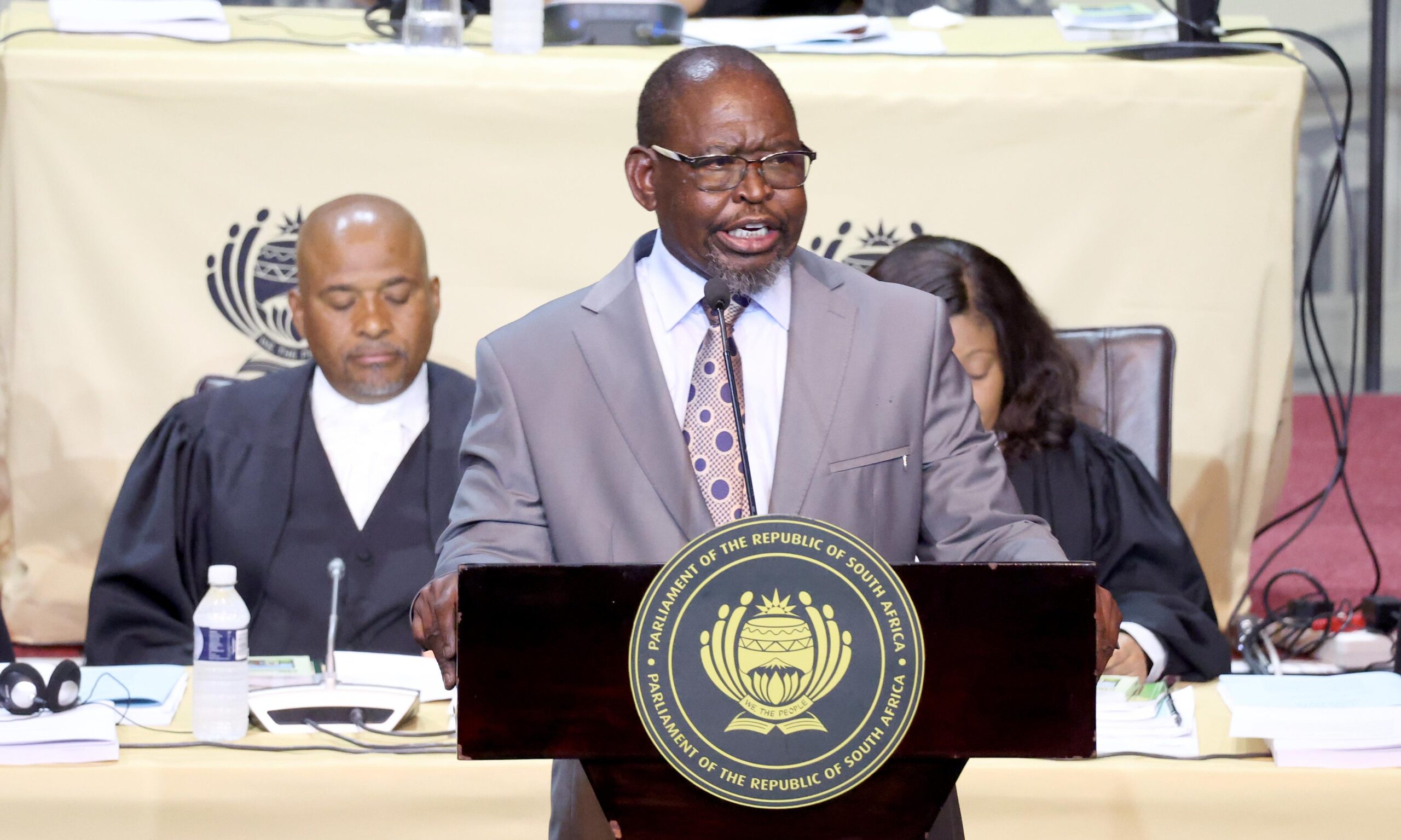
Finance Minister Enoch Godongwana presented a third version of the national budget to lawmakers in Cape Town on Wednesday after months of wrangling over tax increases.
Here’s a rundown of how South Africans may be impacted by his latest proposals:
Winners
Consumers
The National Treasury walked back plans to raise value-added tax after objections from within the country’s governing alliance. The concessions should help contain inflation and shore up consumer spending, a boon for retailers and manufacturers.
The Democratic Alliance
The country’s second-biggest party led the fight against the Vat increase, going so far as to challenge it in court. Its success in getting the hike overturned will wash well with voters and prove that it wields real clout within the government.
Bond investors
Despite the Treasury revising its economic-growth and revenue-collection forecasts downward since it presented the last iteration of the budget on 12 March, it nonetheless anticipates borrowing to be slightly less over the next three years than previously projected. That should be supportive of government bonds.
Losers
Motorists and commuters
The Treasury raised levies on gasoline by 16 cents per litre and on diesel by 15 cents per litre to help offset lost revenue from the withdrawal of the Vat rate increase. A recent drop in international oil prices should help blunt the impact.
The Passenger Rail Agency of South Africa
The March budget earmarked R19.2 billion over three years to fund a turnaround at the beleaguered commuter rail company. That allocation has now been cut to R12.3 billion, part of an effort to reduce spending.
Welfare-grant recipients
The Treasury had planned to increase monthly stipends paid to pensioners and other vulnerable people by more than the inflation rate to shield them from higher consumption taxes. That plan has been scrapped, saving the government R6.6 billion over three years.
Travellers, school pupils, teachers and doctors
The home affairs department’s three-year budget for a digitisation programme was cut by R2.3 billion, a setback to its efforts to make the process of getting identity documents, passports and other documentation more efficient. The education department’s three-year budget to expand access to early childhood development and compensate employees at the provincial level was reduced by R9.5 billion, while an allocation to the health department that was earmarked for salaries, hiring unemployed doctors and buying supplies was curbed by R8.2 billion.