
By Lehlohonolo Lehana.
Minister of Health, Dr Joe Phaahla says, even though Covid-19 infections are on a downward trend, the world cannot afford to let its guard down.
“We just need to make sure that we are tracking the virus because it will continue to evolve and pose risk in our societies.”
The minister said he was hopeful that the leaders now have the tools and the political will in place to ensure that future waves do not result in more severe diseases and deaths.
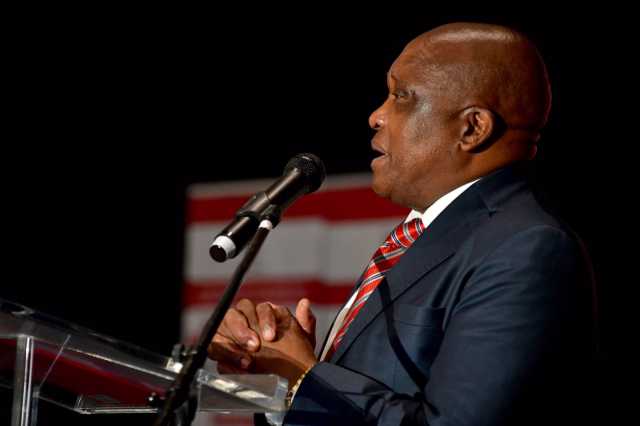
Phaahla, together with Health Ministers from Brazil, Russia, India, and China were speaking at the adoption of the declaration of the 13th BRICS Health Ministers Meeting.
Today marked the last day of BRICS health events currently underway at the Durban International Convention Centre in the run-up to the 15th BRICS Summit in August 2023.
The 13th BRICS Health Ministers Meeting was taking place under the ‘Bridging the Gap on Sustainable Health on the Road to Universal Health Coverage 2023′ theme.
The Minister said the bloc partnership has a significant role to play in surveillance, preparedness, and developing health mechanisms to confront pandemics.
Universal health coverage (UHC)
He said over the last decade, the BRICS countries have committed to substantial health-system reforms designed to improve equity in service use, quality, and financial protection, with the ultimate goal of achieving UHC.
Last month, the National Assembly passed the National Health Insurance (NHI) Bill paving the way for universal healthcare, bringing it a step closer to being signed into law and being rolled out.
“This is one of the most revolutionary bills ever passed by the National Assembly since the dawn of our democracy in 1994,” he told delegates.
UHC, he said is undoubtedly the cornerstone to achieving Sustainable Development Goal 3, on good health and well-being.
“We have an opportunity to make our voices heard as BRICS countries building on our hard negotiated and agreed goals towards universal health agenda.”
“So we should leverage our involvement in the G20 to push the global health agenda and related areas for ensuring global health security.”
He also acknowledged that there is still a lot to be done to ensure access and equity to safe and essential medical products for people, especially in developing countries.
Vaccines
Phaahla also touched on the equitable distribution of vaccines and expeditious vaccination, to fill the immunisation gap globally.
“We should, therefore, remain focused on discussions on the importance of the World Trade Organisation on relevant intellectual property waiver proposals, as well as capacity building and strengthening local production of vaccines and other health tools, especially in developing countries,” he stressed, adding that mNRA hubs should be supported.
Phaahla said the leaders have also agreed that they should jointly take proactive and effective measures to prevent and reduce the risk of cross-border transmission of infectious diseases and contribute to improving global health.
He believes that the BRICS nations are a force to be reckoned with, as they carry a great number of the world’s population of underprivileged societies.