
By Lehlohonolo Lehana.
The Constitutional Court has upheld Iain Wares, an 85-year-old accused of multiple sexual offences against children in Scotland, challenge to South Africa’s bail laws for extraditees.
Accused of sexually abusing several former pupils at Edinburgh Academy and Fettes College in Scotland while teaching there in the 1960s and 70s, Wares was found liable to be extradited by the Simon’s Town Magistrate’s Court in 2019.
The State successfully overturned a ruling from the magistrate at the time, which extended Wares’ bail pending a final decision on his extradition from the justice minister.
This on the basis that the Extradition Act obliges a magistrate to issue an order committing an individual who has been found liable for extradition to prison. If the individual wants bail in the interim, their only option is to approach the High Court.
However, the magistrate overseeing Wares’s case at the time extended his release on bail.
The Western Cape High Court dismissed the State’s challenge, which sought to reverse the decision to extend his bail.
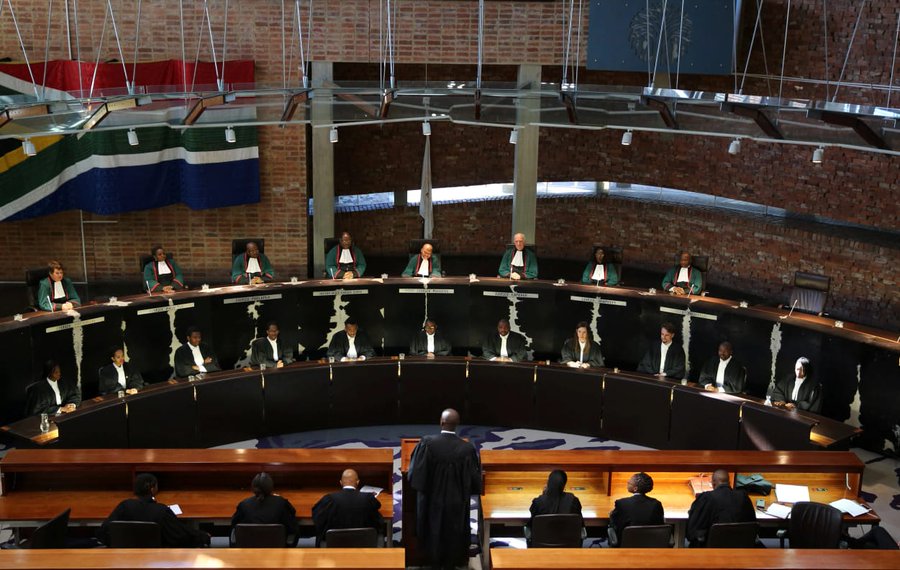
And in its judgment handed down on Tuesday, the Constitutional Court agreed, stating that the Section 10 of the act violated the right to not have one’s freedom restricted without a just cause and also violated the right to bail.
The court further held that the provision allowed no scope for judicial discretion.
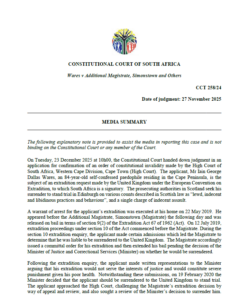
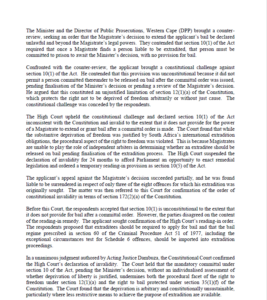
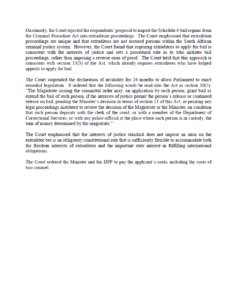
The ConCourt declared section 9(2) of the Extradition Act unconstitutional, as it does not allow courts to grant bail to extraditees if they are seen as a flight risk, unlike normal bail laws that let conditions like ankle monitors address risks.
The court found this violates rights to liberty under section 12 of the Constitution, ordering the matter back to the magistrate for a fresh bail hearing with the new standard.
This means extraditees can now argue for release if conditions can ensure they show up for hearings, bringing SA laws in line with fair treatment.
For Wares, it opens door to bail after denial in lower courts, but with strict terms to prevent flight. The ruling sets a precedent for future cases, ensuring no one is detained unfairly while waiting for extradition decisions that can take years.