
By Lehlohonolo Lehana.
Congress of South African Trade Unions (Cosatu) and all its affiliate unions are embarking on a “nationwide socio-economic strike” with marches taking place in major urban centres in the nine provinces.
They are protesting around the country against rampant unemployment, high interest rates, the energy and water crises and inequality.
The federation says socio-economic problems are suffocating the economy and plunging workers into debt and suffering.
The Democratic Nursing Organisation of South Africa (DENOSA), the Chemical, Energy, Paper, Printing, Wood and Allied Workers’ Union (CEPPWAWU) and the Agricultural Food And Allied Democratic Workers Union (AFADWU) have all pledged their support for the strike.
“We want the Provincial and National Governments to hear us loud and clear on these matters and regard this strike as a first warning of more mass action to follow, should our demands not be heeded,” Cosatu said.
“This strike will communicate an unmistakable message to the political and business elite that the workers have had enough and are ready to defend their rights. We will continue to push back against the brutal exploitation that is directed at the working class.”
“All workers from all the sectors of the economy are legally protected to go on strike since Nedlac has issued COSATU with a strike certificate in terms of Section 77 of the Labour Relations Act (LRA).
In Cape Town, the union’s members will be marching to the Provincial Legislature and National Parliament, where a memorandum will be handed to the representatives of these offices.
This memorandum asks for the speedy implementation of the State Capture Commission’s recommendations on state capture while also touching on the aforementioned points.
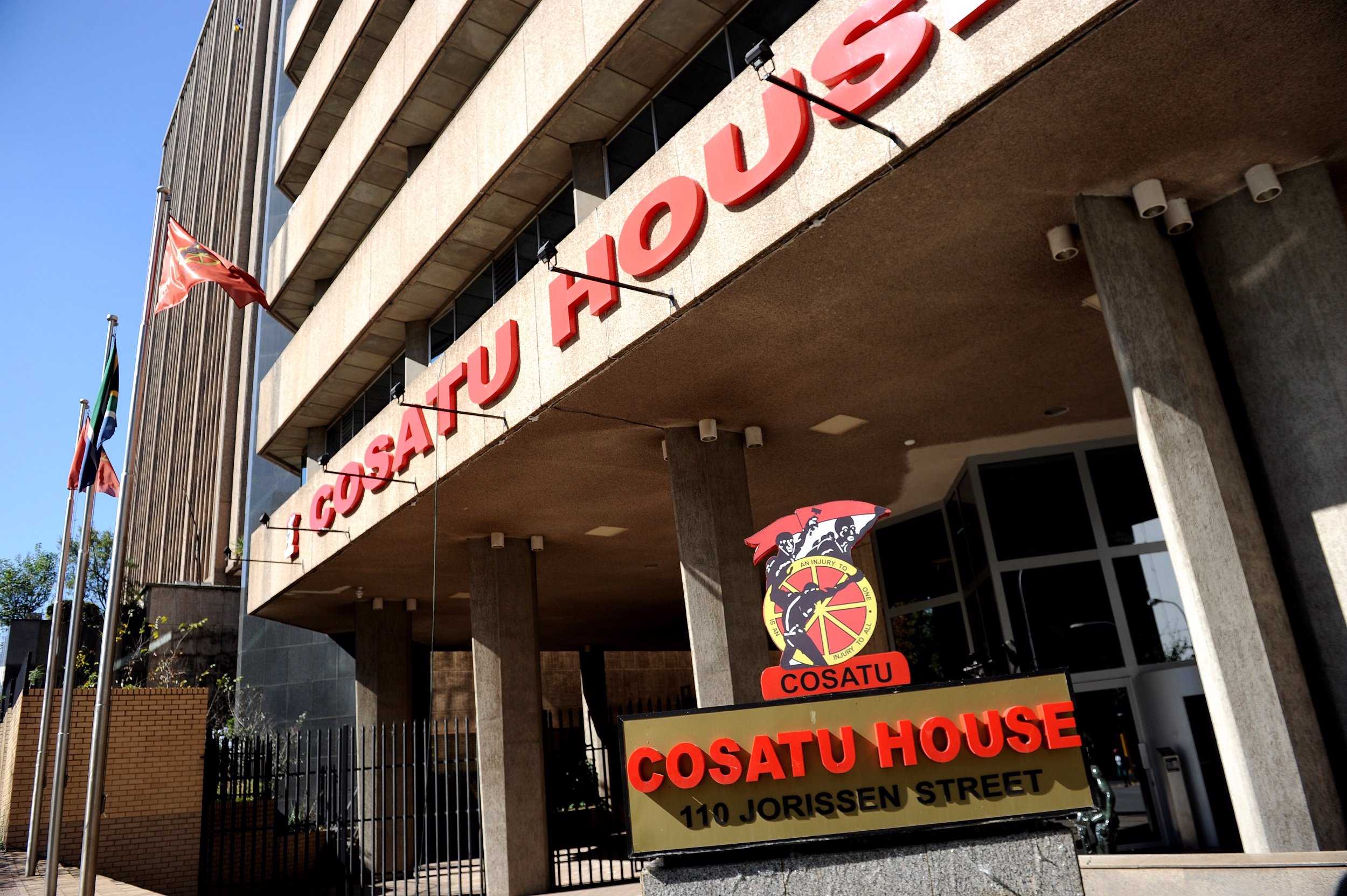
In Johannesburg, the strike will start at Cosatu House, with marches set to deliver memorandums to the South African Local Government Association (SALGA), South African Human Rights Commission (SAHRC), Department of Employment and Labour and the Office of the Premier.
Moreover, the union said that it will deliver a memorandum of demands to Transnet and PRASA in protest of the privatisation of the rail sector.
Analysts said the stayaway had wide sympathy across the country but questioned whether Cosatu could draw large numbers to the picket line.
The University of Johannesburg’s Mcebisi Ndletyana said the effect of the strike to achieve change would depend on the level of damage meted to the economy.
“If government feels the strike is harmless and few people show up, then they will just ignore it, but if the turnout is good and has significant impact on the economy — and particularly if workers show a potential to repeat the same kind of strike in future — then they have greater likelihood of being listened to,” Ndletyana said.
He said trade unions had already expressed their unhappiness with the ANC, saying they may not support it in the upcoming 2024 election.