
By Lehlohonolo Lehana.
The second-biggest party, Democratic Alliance says any attempt to fire ministers affiliated with the party would signal an end to the Government of National Unity (GNU).
This follows a report that suggest President Cyril Ramaphosa is under intense pressure from within his African National Congress (ANC) to fire Siviwe Gwarube who – in accordance with her party position – is openly opposed to the implementation of the Basic Education Laws Amendment (Bela) Act.
The ANC and DA, along with eight other parties, formed a coalition in June to run the country on a national level, and are part of a multi-party administration in the eastern KwaZulu-Natal province.
Gwarube had an agreement with Solidarity and Nedlac, to halt implementing parts of the BELA Bill dealing with language and admission policy.
The party said that there’s an effort within the ANC’s factions to get Gwarube removed over the agreement.
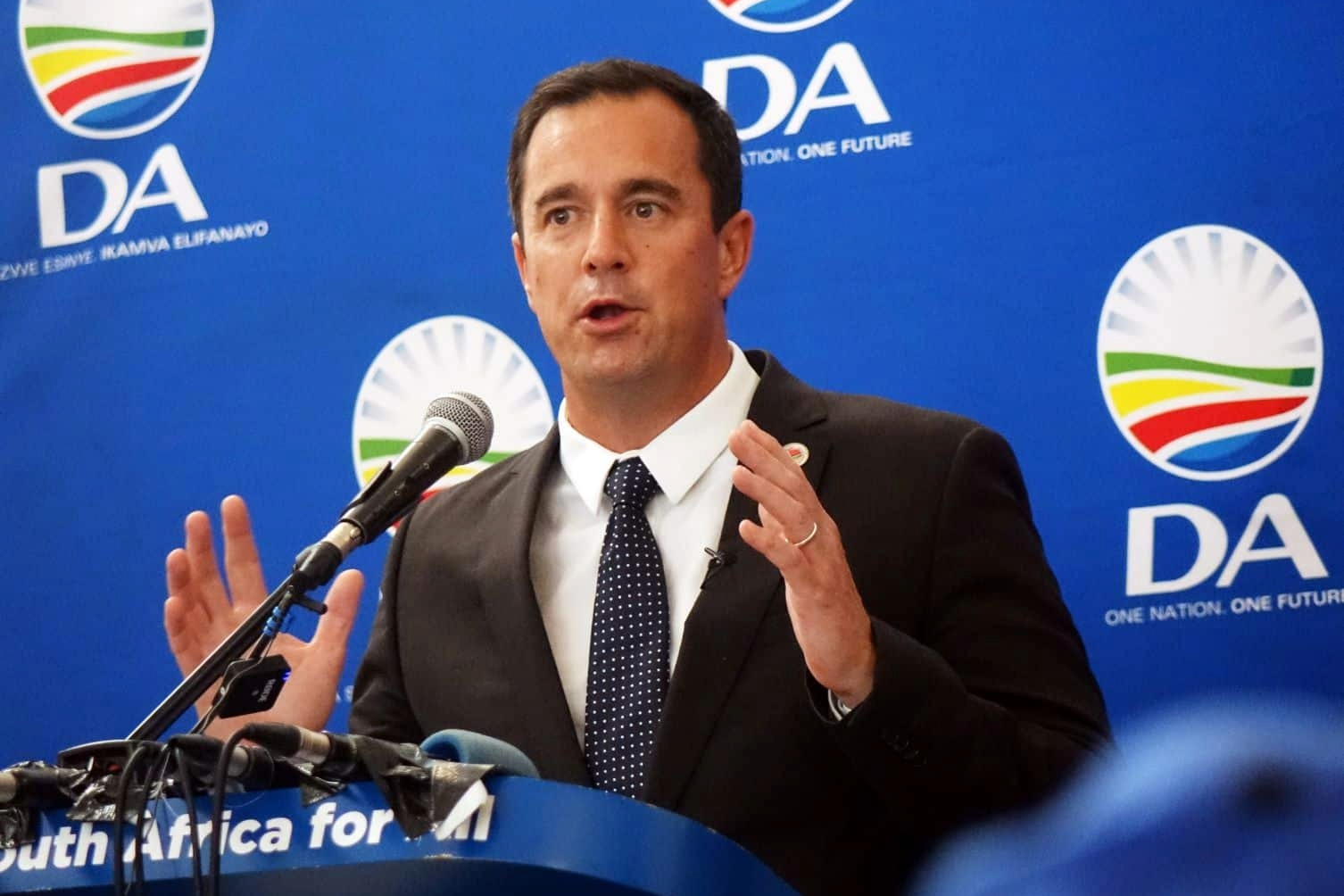
DA Leader John Steenhuisen said that doing so would signal an end to the government of national unity (GNU).
“The Democratic Alliance rejects any attempt by a faction of the ANC to influence the president to fire minister Siviwe Gwarube, or any other DA minister, for doing their jobs, doing so would signal an end to the government of national unity.”
Steenhuisen said that the party supports the process followed by Gwarube and she was fulfilling her legally obligated responsibilities.
He said the Presidency is now seeking to backtrack from the Nedlac engagements which it is party to.
“The fact that the Presidency has now distanced itself from this legislated process, which they were party to, is as disgraceful, as it is confusing, “said Steenhuisen.
While the Act was passed by Parliament in October 26, 2023, and assented to in September, the implementation of sections 4 and 5 have been delayed by three months to allow for multi-party discussions and proposals on resolving the disputes.
Lisa Seftel, Nedlac executive director said the agreement reached by Solidarity and the department is binding, but only to the parties which signed it.
“The agreement is only binding on the parties. The agreement does not bind the parliamentary process, or the GNU (Government of National Unity) process or the president, or the clearing house, or the deputy president, or anybody else for that matter,” she said.
“It is an agreement between Solidarity and the minister of Basic Education (Siviwe Gwarube) about the issues that she should raise with the president as a solution to this matter.”
Seftel clarified that the Labour Relations Act allows a union like Solidarity to raise the specific dispute, as the union did, and for the matter to be deliberated on at Nedlac.
For Ramaphosa, the Bela Act represents a critical challenge in balancing the goals of inclusivity and equity with the preservation of community agency in shaping school policies.
The president’s ultimate decision on clauses 4 and 5 will set a precedent for how the government navigates politically sensitive reforms.