
By Lehlohonolo Lehana.
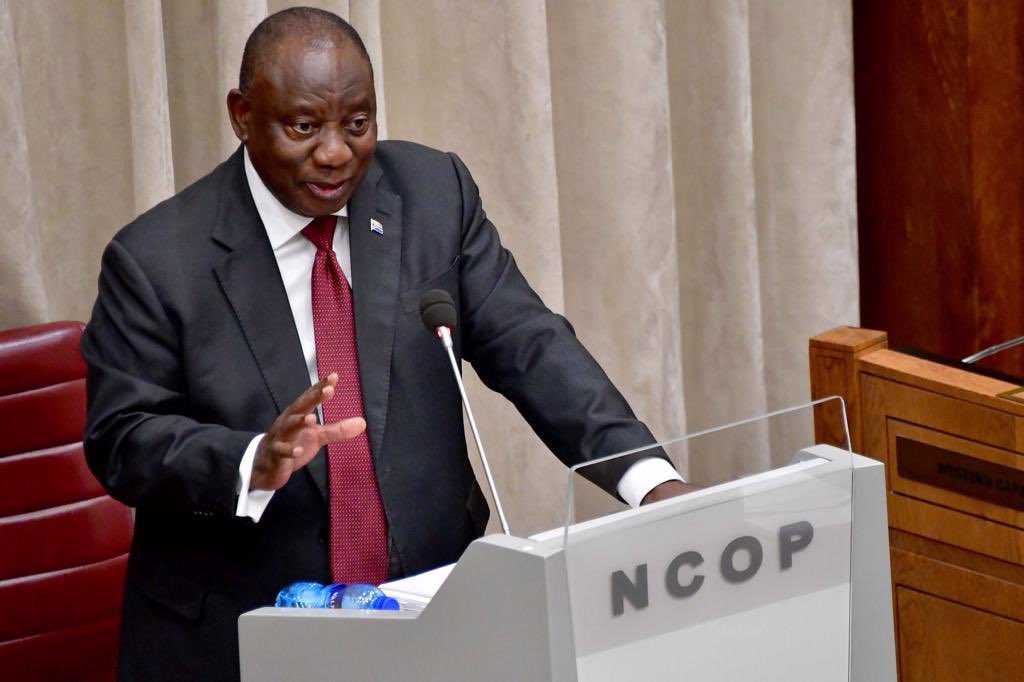
The National Council of Provinces (NCOP) have considered the Expropriation Bill and resolved to send it back to the National Assembly with proposed amendments.
This as one of the objectives of the bill is to expropriate land and property in the interest of the public.
“The Expropriation Bill seeks to repeal the existing Expropriation Act of 1975 to provide a common framework in line with the Constitution to guide the processes and procedures for the expropriation of property by organs of state,” said Parlimentary spokesperson Moloto Mothapo.
“It further seeks to provide for certain instances where expropriation with no compensation may be appropriate in the public interest. After some deliberations, the House resolved to send the Bill back to the NA with proposed amendments for reconsideration.”
Only five working days remain on the parliamentary calendar before the House rises on 28 March ahead of the elections.
If it runs out of time, the option of reconvening the National Assembly remains, even if MPs are on the elections campaign trail, particularly if a fully virtual sitting had to be called. Once the House approves, the Expropriation Bill goes straight to the presidential in-tray.
If the National Assembly fails to finalise the Expropriation Bill, it lapses come the 29 May elections. It would be up to the post-poll incoming MPs to revive the legislation and finalise it.
DA NCOP delegate Tim Brauteseth said lawyers would be briefed to demand that President Cyril Ramaphosa return the Expropriation Bill to Parliament for reconsideration due to constitutional concerns.
“The DA will continue to fight this archaic Bill to the very end in order to protect the property rights of South Africans… (T)he DA will not allow them to pass dangerous legislation for bad faith electioneering,” he said in a statement.
All the provinces, except the DA-governed Western Cape, supported the bill, which has sparked fears among many landowners that the proposed land reforms could lead to a similar situation to the Zimbabwean scenario, where attempts to address skewed land ownership patterns dating back to the colonial era resulted in government-sanctioned land grabs.
The current version of the expropriation legislation was introduced in Parliament in October 2020, allowing “nil compensation” in the expropriation of, among other, state land, abandoned land or land held for speculation.
The Bill was adopted in the National Assembly on 28 September 2022, with objections by the DA, EFF, IFP, Freedom Front Plus and ACDP.
Then the NCOP began its processes. That was done by December 2023, but the NCOP committee on transport, public service and administration, public works and infrastructure decided to delay the finalising of provincial mandates to February 2024.
Meanwhile the National Council of Provinces (NCOP) has passed three bills during its plenary on Tuesday.
These are the National Council on Gender-Based Violence and Femicide Bill, the National Youth Development Agency Amendment Bill and the Independent Police Investigative Directorate Amendment Bill.
Last year, the National Assembly (NA) passed all three Bills and sent them to the NCOP for concurrence.These three Bills passed by the NCOP will now be sent to the President for assent as required by the Constitution.