
By Lehlohonolo Lehana.
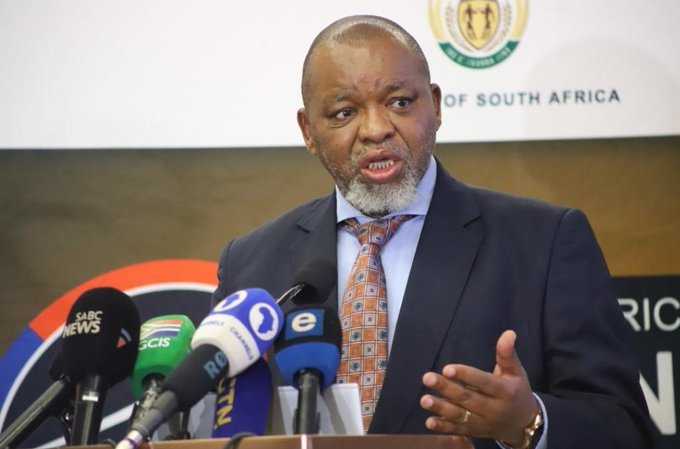
South Africa’s Gas Master Plan (GMP2024) has been released for public comment by Mineral Resources and Energy Minister Gwede Mantashe, amid indications that the gap between demand and supply will grow steeply from 2026 onwards when Sasol ceases to supply Gauteng and KwaZulu-Natal industrial customers with gas imported from Mozambique.
The document includes four scenarios, including a base case that shows that gas demand will far exceed supply in the short term and that the gap, which has been described as an anticipated ‘gas cliff’, will worsen as demand grows.
It has also been published against the backdrop of an anticipated growth in gas-to-power generation, with a public procurement programme under way and Eskom also pursuing its own large-scale greenfield and diesel-to-gas conversion initiatives.
The draft GMP2024 recommends that South Africa should focus on the importation of liquefied natural gas (LNG) over the short- to medium-term to meet demand and pursue regional supply options to mitigate the supply shortfall anticipated between 2026 and 2030.
Mantashe noted in March that the plan would be presented to cabinet – and by the end of that month, the executive had given it the green light.
“The master plan will enable a natural gas economy that is favourable to investors and can provide an alternative source of energy for the country’s electricity sector,” cabinet said at the end of March.
The department has now invited the public, stakeholders and industry experts to submit inputs on the plan before 15 June 2024.
This comes as the Integrated Resource Plan 2023 (IRP 2023), also out for public comment, proposed a significant change to the allocation for new gas-to-power as it increased to 7 220MW from the 3 000MW outlined in the IRP2019.
According to Mantashe, the plan was developed together with the Department of Trade, Industry and Competition, with contributions from private sector players.
The strategy intends to ensure a seamless transition and business continuity while mitigating potential job losses in the energy sector.
“The Gas Master Plan recognises South Africa’s abundance of primary energy sources which, if commercialised, could drive economic growth, social development and thus benefit the country,” the department said.