
By Sashnee Moodley.
President Cyril Ramaphosa said on Wednesday that the Department of Trade, Industry and Competition (dtic) is considering a review of broad-based black economic empowerment (BBBEE) measures to improve across a range of areas.
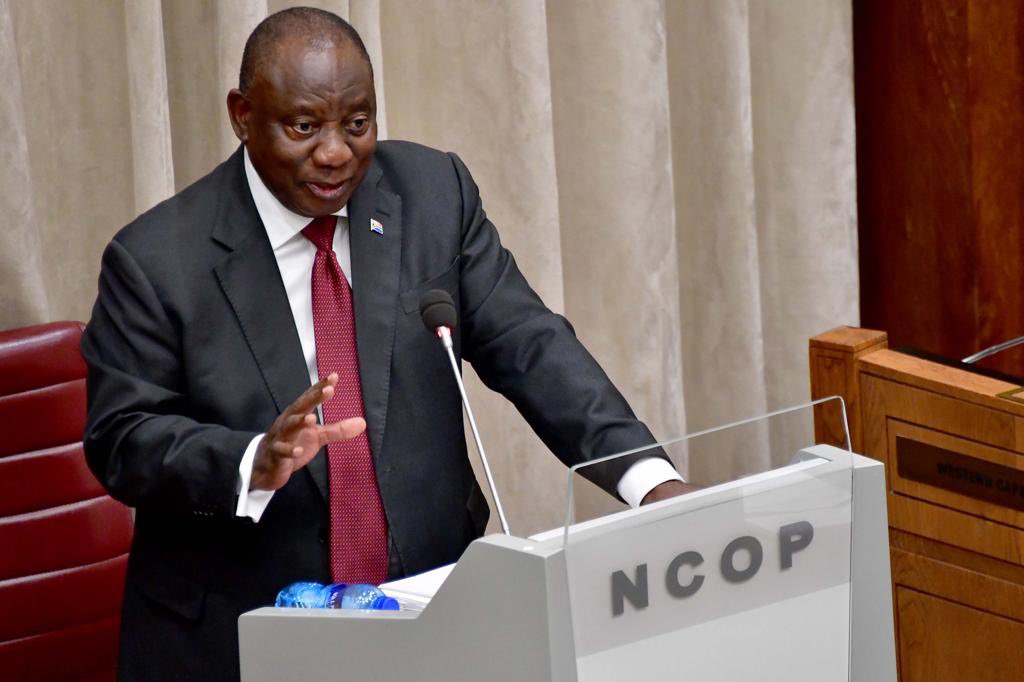
As he responded to questions in the National Council of Provinces, Ramaphosa admitted that more can be done around the policy, stating that government must constantly monitor goals achieved and where improvements can be made.
The Broad-Based Black Economic Empowerment Act remains a fundamental lever for transformation, as part of our broader strategy to achieve more rapid, inclusive and sustainable economic growth in the country. As I have said before, we must dispense with the false notion that we must make a choice between growth and transformation. Black economic empowerment is not only compatible with investment and growth, but is essential to achieve broad-based growth and prosperity,” Ramaphosa asserted.
The dtic review aims to align with government’s priorities of industrialisation, inclusive growth, localisation and access to finance for emerging enterprises.
Ramaphosa said the review would help improve the effectiveness of BBBEE implementation and close any gaps in this area, while setting deadlines and links between BBBEE and industrial policies.
“We need to ensure that our BBBEE policies support inclusive growth, just as we need to ensure that growth supports transformation. Our task is to strengthen BBBEE and ensure that it works effectively in promoting the participation of black people in our economy, not to abandon it,” said Ramaphosa.
Ramaphosa also has expressed his support for extending the use of the Equity Equivalent Investment Programme (EEIP) to the broadband telecommunications sector as proposed in a draft direction published by Communications and Digital Technologies Minister Solly Malatsi.
Ramaphosa told members of the National Council of Provinces that the EEIP was consistent with South African law and government’s commitment to economic transformation and black empowerment.
He also stressed that the proposal to extend the EEIP to the telecommunications sector was not specifically designed to support the entry of Elon Musk’s Starlink, which is operated by SpaceX, and which opposes the prevailing Electronic Communication Act’s requirement for licensed telecoms firms to have 30% black equity ownership.