
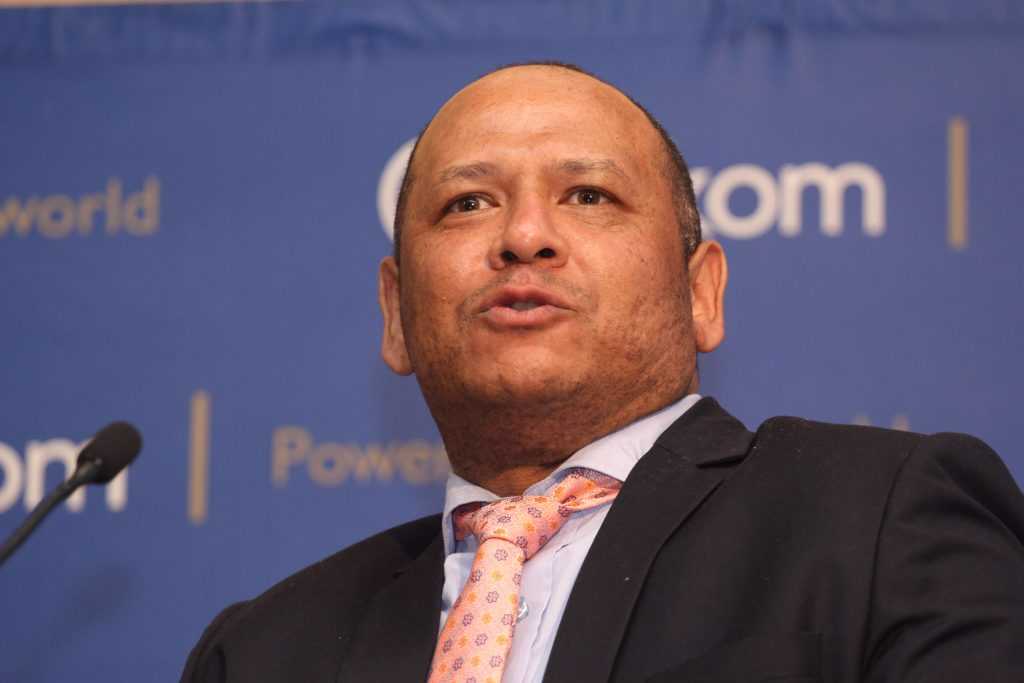
By Lehlohonolo Lehana.
State owned power utility Eskom says it plans to return Koeberg Unit 2 to full operation before the morning peak demand period on Monday, 16 April 2023.
The unit tripped in the early hours of Saturday morning, forcing Eskom to rework its planned load-shedding to stage 6 until further notice.
Eskom did not provide a reason for the outage in its original statement on the incident.
In its latest statement, the utility said the trip was due to problems with its feedwater pumps, without providing any further details on the precise nature of the “problems”.
“The reactor has been taken critical and reactor power is being increased to enable turbine commissioning,” said Eskom.
“The unit is expected to safely synchronise to the grid before morning peak tomorrow [Monday, 17 April 2023], once all the required activities are completed.”
(1/2) Sunday, 16 April 2023: Update on Koeberg Unit 2:
Eskom is in the process of safely returning Koeberg Unit 2 to service. The cause of the trip was due to problems with the feedwater pumps on the secondary circuit.
— Eskom Hld SOC Ltd (@Eskom_SA) April 16, 2023
(2/2) The reactor has been taken critical, and reactor power is being increased to enable turbine commissioning. The unit is expected to safely synchronise to the grid before morning peak tomorrow once all the required activities are completed.
— Eskom Hld SOC Ltd (@Eskom_SA) April 16, 2023
Meanwhile energy experts says South Africa hit stage 8 load shedding this week – while the government continues to dither on its energy policy, putting billions of dollars in investment at risk.
As the country was thrust into all-day stage 6 load shedding this week, data published on Friday revealed that Eskom had actually cut over 7,000MW of power from the grid on Thursday.
By Eskom’s own definitions, this is equal to 8 stages of load shedding. The group explained the figure away by noting that the figure was around 5,700MW cut from the national grid (stage 6 load shedding) plus a further 1,400MW from its contracted customers (stage 4 load curtailment).
However, this reporting structure has also never been used before, indicating that something was off. It is also not the first time this has happened. Over 7,000MW of load was cut for two days back in February.
At the time, Eskom admitted that it had dipped into stage 7 load shedding. It explained that supply and demand was not consistent for a full day and that, at times, the utility could briefly move beyond the scheduled stage of load shedding, or even below it.
This week, the utility said that the load was “reduced” beyond 6,000MW, but the load that was “shed” was still under 6,000MW.
Energy expert Lungile Mashele said that, simply put, it was stage 8 load shedding, warning – like so many other analysts and experts – that the coming winter months are likely to be worse.