
By Paul Burkhardt.
South Africa’s state power utility more than doubled its full-year profit after ending outages that hobbled economic growth, and is now targeting declining electricity sales in the next phase of its turnaround.
Profit after tax jumped to R30.3 billion in the year through March, compared with R14 billion in 2025, Eskom Holdings said in a statement on Monday. Power cuts ended in May last year as the company improved its performance and cut spending on costly diesel-fired turbines used to bolster generation by R10.6 billion.
The period included only 13 days with power cuts, as the company improved its performance and spent R10.6 billion less on running costly diesel-fired turbines used to bolster generation.
Even as the utility improved the reliability of its mostly coal-fired plants and increased prices, sales volumes dropped 6.2% – highlighted by a 23% decline in industrial usage. That marked a decade-long trend of sales dropping about 2% annually.
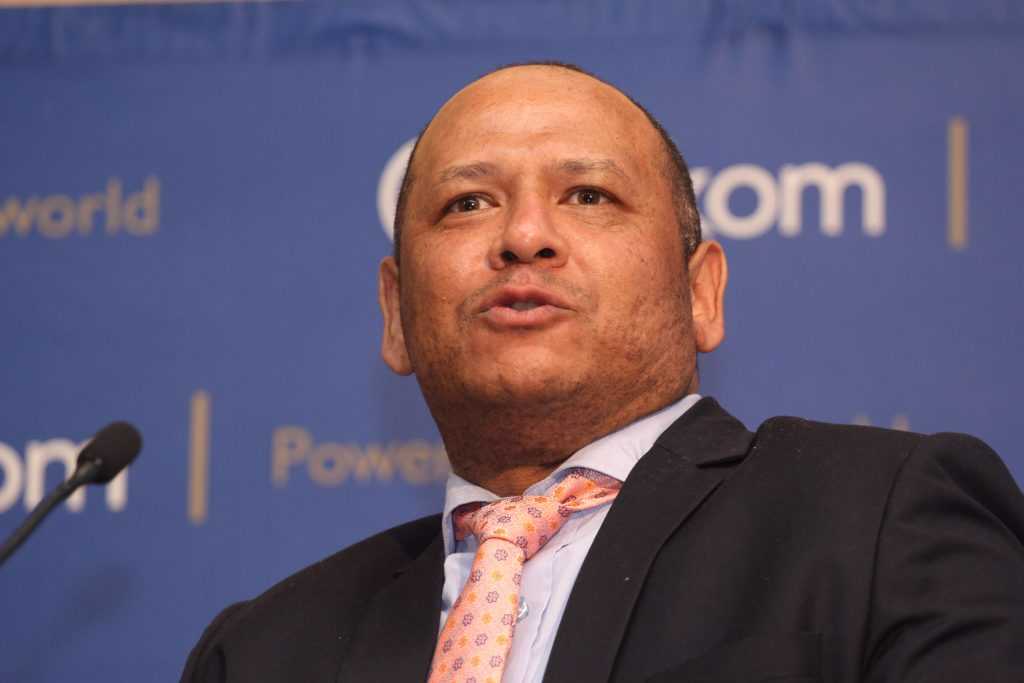
As power cuts intensified in recent years, South Africa introduced reforms to end the state-owned company’s monopoly and open the electricity market to private producers and traders. While Eskom chief executive officer Dan Marokane accepts a migration by some customers to rooftop solar, he sees the biggest consumers of power as a key market that the utility is well placed to serve.
“In the last few months, we’ve been working hard to reignite demand from the industrial sector in particular,” Marokane said in an interview. The company reached a deal earlier this year to keep ferrochrome smelters run by Glencore Plc and Samancor Chrome supplied with cheaper electricity.
Eskom is also focusing on an emerging customer base that’s “driving new demand in the area of data centres, electric vehicles, charging stations,” and is in “advanced discussions” with the regulator about selling power to crypto miners, he said.
The utility will reinvest profit in its capital expenditure programme, which envisages investing R343 billion across the group over the next five years. It launched Eskom Green earlier this year, a clean-energy unit that will take on the private producers that typically use renewable technologies.
Eskom continues to face challenges from unpaid municipal bills that reached R119 billion in June. That figure may reach R358 billion by the 2031 financial year “if decisive intervention is not implemented,” it said.
Debt securities and borrowings declined to R356 billion by the end of the financial year, and eased further to about R320 billion by the end of June, Eskom said.
A reduction in costs the company achieved was partially offset by wage increases of 7% and a growing number of staff.
“Eskom will continue to optimise its cost base by driving higher productivity across the workforce and improved organisational performance, while aligning rewards with operational and financial outcomes,” the company said.
Eskom also announced that chief financial officer Calib Cassim will retire from the role. The board intends to choose a replacement and have the person take over by the end of the year.