
By Lehlohonolo Lehana.
The Labour Court found that power utility Eskom practised unfair discrimination against a white employee who had been with the company for over 30 years.
The case involved AP Erasmus, an Eskom employee since 1988. A new managerial role in the group technology division was created in 2017 to oversee site outages, which Erasmus looked to apply for.
Employment equity officials in the company mandated a preference for “African males and females of all races.”
Erasmus, surpassing the minimum qualifications for the position, was shortlisted after he self-identified as “African” in his application. He told the court that this identification was not to deceive or defraud Eskom – something that the court agreed with.
Although the senior manager favoured Erasmus for the role, he was not appointed due to employment equity requirements.
The HR department informed him that white males were overrepresented by 16% at the level for which he was applying. They expressed concern over the potential missed opportunity to advance a candidate from a designated group.
In the end, the post was not filled, with Eskom saying that no suitable candidates from designated groups could be identified for the job.
Erasmus said the post was “critical” and yet was not being filled, despite his bosses recommending him and him meeting the requirements. Despite assurances, Erasmus argued that he did not get the position because he was white.
As a result, Erasmus lodged a formal grievance. Represented by trade union Solidarity, Erasmus then took Eskom to the Labour Court, arguing it had discriminated against him, based on his race.
“My grievance was against the fact that I was not appointed because of the colour of my skin,” Erasmus said.
The Labour Court found that Eskom practised unfair discrimination against a white employee who had been with the company for over 30 years.
The court ruled that Eskom’s practice of excluding non-designated groups, including white males, from job shortlists constitutes an absolute barrier.
Excluding non-designated groups, including white males, breaches South Africa’s affirmative action laws.
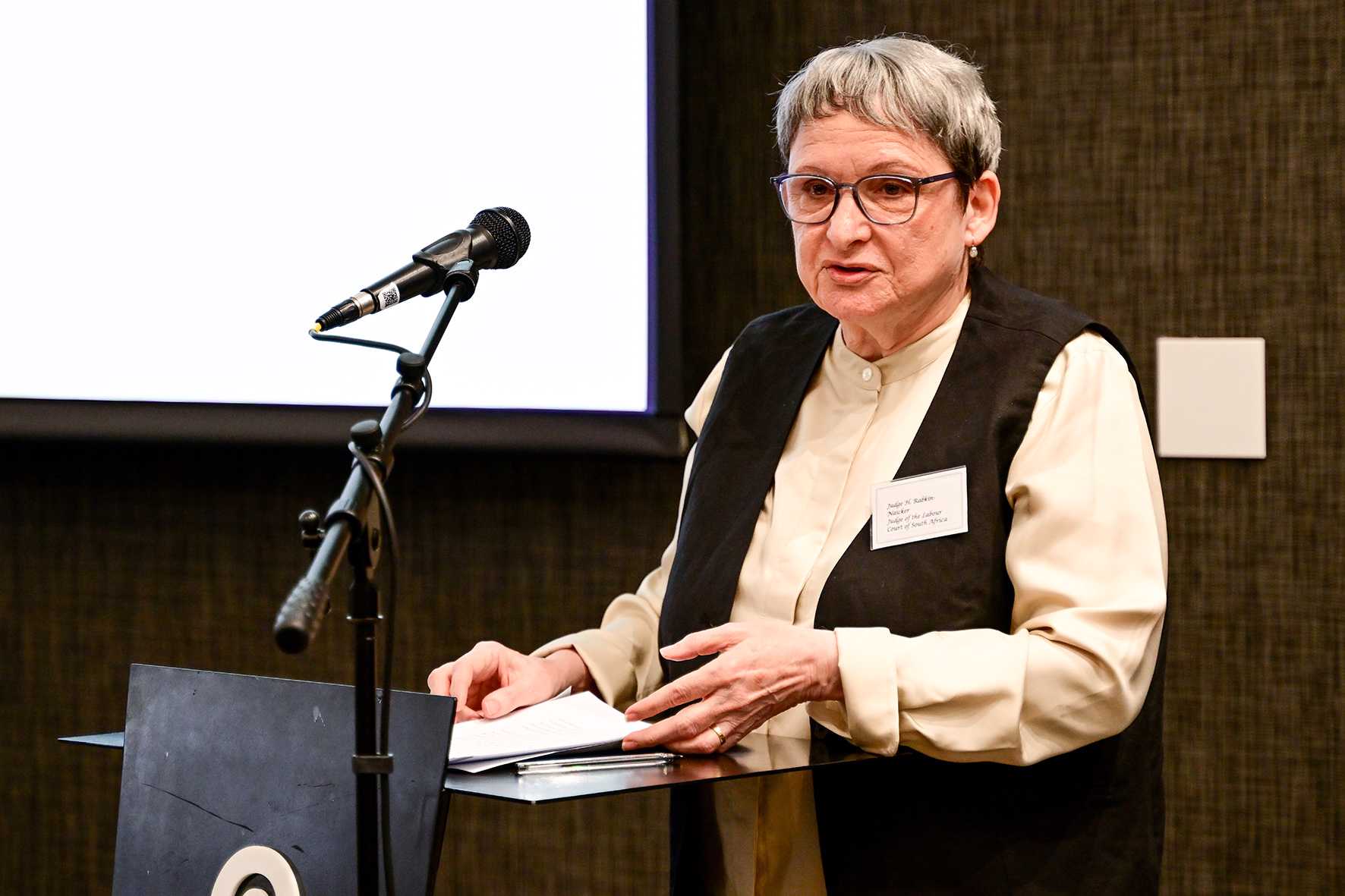
“Eskom must take remedial steps to ensure that the said practice ceases, “Judge Hilary Rabkin-Naicker said in the ruling.
She said Eskom’s policy was an “inflexible and blunt instrument practised at the shortlisting stage”.
It created an absolute barrier for members of non-designated groups to compete with employment equity candidates from the inception of the recruitment process.
Although the court did not oppose affirmative action policies in general, it said Eskom’s action cannot be regarded as affirmative action.
“There are myriad ways to take equity targets into account during interviews of suitable candidates for a position, without blocking categories of persons from proving their worth,” it said.
She added that Eskom’s recruitment practice infringed on the rights to dignity and equality of non-designated groups.
The court ordered Eskom to take remedial steps to ensure its discrimination against certain groups ceases.
Eskom must also pay compensation to Erasmus equal to 18 months of his salary at the time that he applied for the post in question.