
By Lehlohonolo Lehana.
Global rating agency Fitch has reaffirmed state owned power utility Eskom’s credit ratings, maintaining the long-term local-currency rating at ‘B’ with a stable outlook.
Fitch cited improving operations and the utility’s strong links to the South African government as key factors supporting the ratings, even as Eskom continues to navigate financial challenges.
The rating agency also noted Eskom’s operations are improving and the delivery of its business plan may lead to funding on an unguaranteed basis over the medium term.
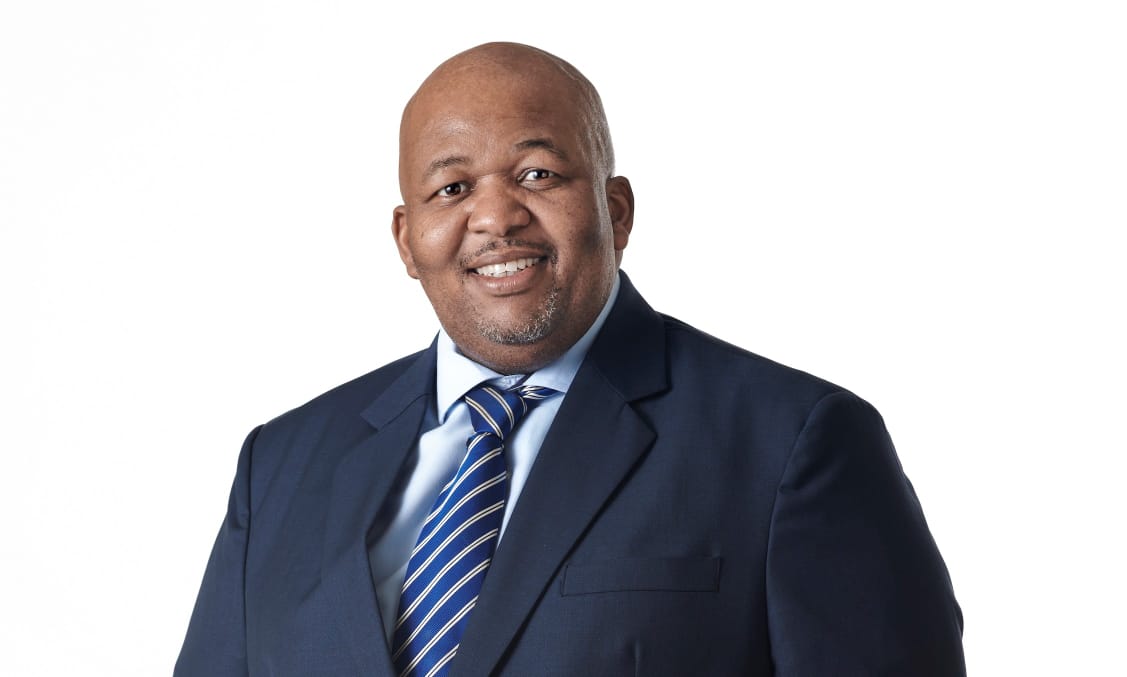
Eskom group CE Dan Marokane said, the achievement marked a decisive turning point and a structural shift from a recovering grid to a stable, high-performing power system.
“We remain singularly focused on delivering the turnaround plan that is central to continuing to restore Eskom’s operational and financial stability. Reaching the milestone of one year without loadshedding on Saturday, 16 May advances this stability, as well as the South African and Sub-Saharan Africa economy, competition and the integration of renewable energy,” said Marokane.
Eskom recorded a pre-tax profit of R23.9 billion for the year ended March 2025, a sharp turnaround from the R25.5 billion loss in 2024.
Meanwhile Parliament’s Standing Committee on Appropriations heard on 24 March 2026 that outstanding municipal arrears had reached approximately R116 billion and were projected to escalate to R358 billion by 2031.
Eskom said its ability to supply electricity at affordable prices depends on strengthening its balance sheet by increasing revenue and reducing expenses.
It said revenue can only be increased by collecting electricity debts, increasing electricity tariffs, or a combination of both measures.
The utility said many municipalities and metros were working with it to develop sustainable debt solutions instead of facing supply interruptions.
On 5 May 2026, Eskom announced that nine municipalities had received council resolutions to sign Distribution Agency Agreements (DAA) after consultation processes.
Eskom presents Distribution Agency Agreements as long-term, non-permanent contracts that form part of its Active Partnering initiative with municipalities.
The agreements are designed to improve the technical and financial sustainability of municipal electricity distribution operations, Eskom said.
The services available under the model include skills development, training, smart meter installation or replacement, and revenue collection by Eskom.
The power utility said it was working nationally to support the rollout of the initiative as municipal electricity debt continues to pressure its finances.