
By Lehlohonolo Lehana.
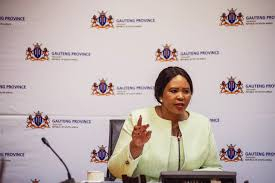
Gauteng MEC of Finance and e-Government Nomantu Nkomo-Ralehoko announced that the provincial budget has increased by R7 billion for the 2021/22 financial year.
Nkomo-Ralehoko tabled Gauteng’s 2021 Medium-Term Budget Policy Statement (MTBPS) and the Adjustments Budget in the legislature on Thursday.
“Today we are adjusting the fiscal envelope upwards with a net increase of R7 billion.
“The R7 billion includes a total of R4.3 billion that is added to the Provincial Equitable Share; of which R3 billion of this is to cater for the public sector wage settlement.”
This means that the overall budget of Gauteng provincial government increases from R142.5 billion to R149.5 billion.
The infrastructure budget has been adjusted to R11.1-billion. Of this, R10.6-billion is allocated to the departments of Human Settlements, Health,Education and Roads and Transport while the remaining R506.7-million is allocated to the departments of Economic Development, Social Development, Agriculture and Rural Development, Sport, Arts, Culture and Recreation and infrustructure Development.
Nkomo-Ralehoko said as we present this year’s MTBPS, we must acknowledge the difficult context within which we must fund the implementation of the provincial priorities over the next three years.
“These departments must improve the impact of investment on service delivery and social gains. In March, we highlighted the need to place more focus on making infrastructure affordable and enhance value for money, thus ensuring effective, efficient and economical use of public funds related to infrastructure investments. We still have a long journey to walk before we will see the results and the intended impact,” Nkomo-Ralehoko said.
As part of the Gauteng Covid-19 Response, R555.4-million was allocated towards the Health Human Resource Response to the Covid-19 human resources Response.
The province allocated R1.2-billion for the Presidential Youth Employment Initiative Funding, including R1.1-billion for the Basic Education Youth Employment Initiative, R74.6-million for health staff and assistant nurses and R43.7-million for social development workers.
The Gauteng government remains committed to public infrastructure delivery. The National Development Plan 2030 provides a clear road map on how to eliminate poverty and reduce inequality, and infrastructure remains a key pillar to achieve these goals.
Nkomo-Ralehoko explained that the real Gross Domestic Product for Gauteng had decreased by R1 trillion, but forecasts indicate that this will likely increase again.
“In 2021, all municipalities in Gauteng are expected to recover and record positive growth rates. The highest forecast is for the City of Ekurhuleni, where GDP-R is predicted to increase by 5.1%, and the lowest is for the City of Tshwane, which will see an increase of 4.2%.”
To reignite the Gauteng economy, R114.4-million was allocated for technical adjustments from underspending infrastructure projects towards the Tshwane Automotive Special Economic Zone Infrastructure Expansion, which is expected to not only boost manufacturing, but also provide much-needed jobs and stimulate the economy.
South Africa’s gross domestic product (GDP) contracted by 1.5% in the third quarter of the year on a quarter-on-quarter seasonally adjudged basis, according to Stats SA.
The decline brings to an end a period of tentative growth following a record GDP plunge in September last year. The economy grew by 1% in the first quarter and a revised 1.1% in the second quarter of 2021.