
By Lehlohonolo Lehana.
The government has extended its temporary ban on the export of scrap and waste metal for another six months, trade, industry & competition minister Ebrahim Patel said.
In the trade policy directive dated June 15, Patel ordered the International Trade Administration Commission of SA (Itac) not to accept or process any applications for export permits for the exportation of ferrous and non-ferrous waste and scrap metal for six months.
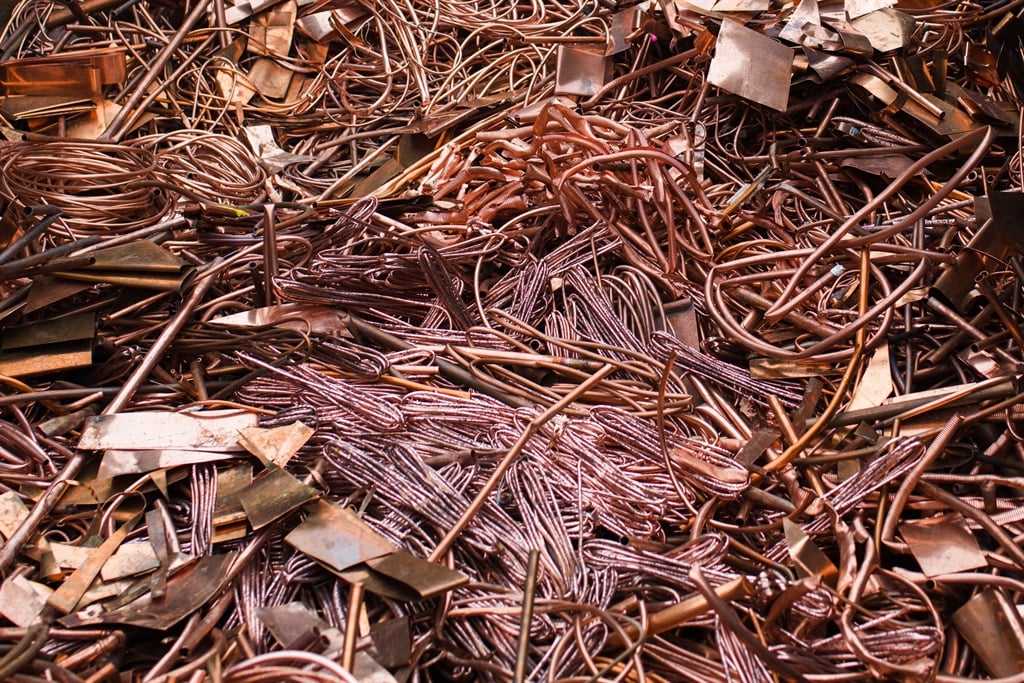
The theft and export of copper cables have severely impacted the economy and have significantly contributed to power cuts and disruptions on rail lines.
Patel noted that stolen copper, steel and other metals go through several processes and are mainly exported across borders as scrap metal. Scrap metal is a legitimate trade in the country, making it difficult to track illegal trade and exports.
The ban was first proposed in August to combat illicit trade in these materials and was approved by the cabinet in November 2022.
The main opposition Democratic Alliance and other groups criticised the move at the time, saying that trade policy was an inappropriate tool to deal with the pillaging of public property. South Africa also risks falling foul of World Trade Organization guidelines because the ban aims to prevent theft rather than address critical metal shortages.
However, it remains evident that key state companies like Eskom, Transnet and Prasa have suffered greatly from this criminality, with copper theft being one of the biggest drivers of localised blackouts and the theft of rail infrastructure effectively collapsing South Africa’s rail networks.
According to the DTIC, citing research from the Trade and Industrial Policy Strategies and Genesis Analytics, copper theft from the country’s rail network and electricity grids carries an annual economic cost exceeding R45 billion.
Additionally, in the past two months, theft of rail infrastructure along the 861km long iron ore line has become much worse – impeding the network’s ability to operate its locomotives.
“The railway line was designed to handle 72 trains per day, but it has been handling less than 10 a day for some time now,” a logistics expert at the Department of industrial engineering at Stellenbosch University, Prof Jan Havenga said.
The cost of a failing rail network is estimated to be even higher as industries that rely on rail – such as mining – pay more for road transport.
Havenga added that due to the large numbers of goods that should be transported by rail now having to go by road, the high demand on the road causes damage, traffic pressures, and accidents – all raising transport costs.
“Transnet is functioning increasingly badly over the years, and we are now at the point where we are paying between R50 billion and R100 billion too much for transport,” he said.