
By Lehlohonolo Lehana.
The Department of Environment, Forestry and Fisheries said in a statement that “after due consideration of all relevant information” it had decided to refuse all three applications from Karpowership for environmental authorisation – based on the inadequacy of the environmental impact assessment and public consultation process.
“The competent authority in the department has decided, after due consideration of all relevant information, to refuse the applications for the environmental authorisations,” the department said.
Karpowership was named as a major winner in a government emergency power tender designed to help ease crippling load shedding.
South Africa depends on coal for almost all its electricity generation and sought to procure 2,000 megawatts of emergency power because state-owned utility Eskom can’t meet demand and has subjected the country to intermittent blackouts.
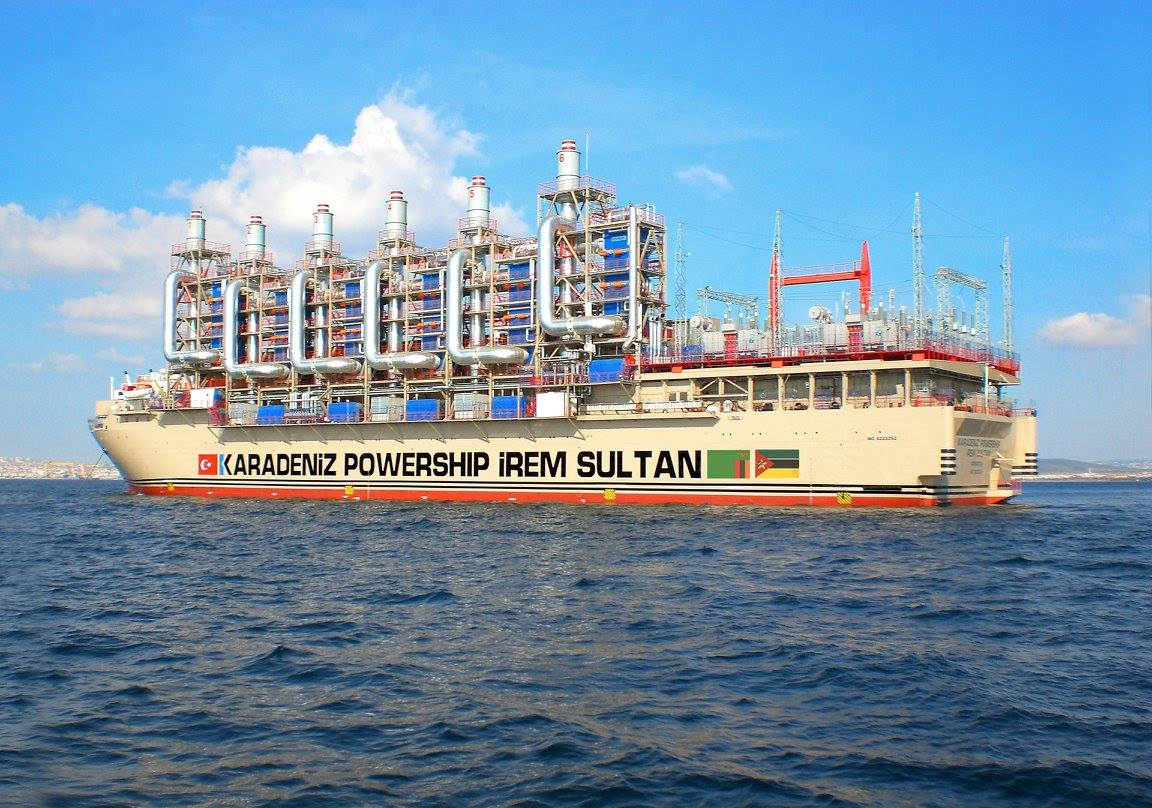
Each power ship contains its own generation, electrical control, and substation components. The ship also includes its own maintenance workshop and engineering capabilities.
The onboard substation can be connected to the national grid without lengthy delays or complicated engineering.
However, the deal has been mired in controversy due to how it was approved, as well as environmental concerns around the ships.
Activists and the Democratic Alliance unsuccessfully pressed for a parliamentary inquiry into the award of preferred bidder status to Karpowership, while a rival bidder sued to have the entire tender scrapped, alleging corruption.
Karpowership has denied wrongdoing and said its bids were more competitive than others.
The department has also advised Karpowership that it can lodge an appeal against the decision, but with barely a month left before it is required to reach financial closure for the Eskom emergency power procurement deal, it seems unlikely that the Turkish company and its environmental consultants can remedy the faults in the hastily prepared environmental impact assessment (EIA) that has now failed to pass muster.
The department clearly saw things differently, however, saying the EIA failed to meet the “minimum requirements” for proper public participation and it had also failed to conduct adequate studies on underwater noise impacts in the three harbours.