
Staff Reporter.
The EFF had full access to the CR17 bank statements, but did not consider them relevant enough at the time to include them in the original court battle between President Cyril Ramaphosa and public protector Busisiwe Mkhwebane, the high court heard on Tuesday.
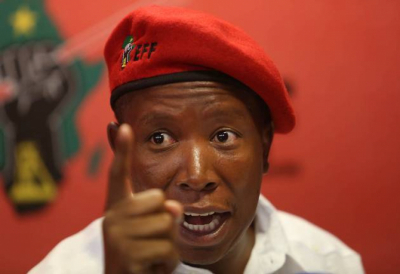
The High Court in Pretoria has wrapped up day one of an application brought forward by Economic Freedom Fighters (EFF) leader Julius Malema for the unsealing of the CR17 bank statements.
The EFF has argued, through Advocate Ishmael Semenya, that it was in the interest of open justice, accountability and the public to know who donated to Ramaphosa’s campaign to become African National Congress (ANC) president in 2017 and whether those donors were beneficiaries of any government contracts now that he was the head of state.
Semenya also said that Rule 53 of the court must apply in this matter. It states that all documents used by a decision-maker whose decision is being challenged must be put before the court and that its documents are public.
He emphasised that holding politicians, especially those in government, accountable for who they get money from, and who they pay that money to, was crucial in ensuring that politicians and the wider political establishment remain transparent, open and accountable.
Last year, a full bench of the court reviewed and set aside the Public Protector’s report into Bosasa, which donated funds to Ramaphosa’s campaign.
The CR17 committee’s legal representative, Advocate Wim Trengrove, argued that the documents had already been ventilated before the courts and that it was important to weigh up the right to privacy versus public interest.
He said that Ramaphosa should not be forced to disclose as no wrongdoing was found on the part of the president.
On Wednesday, the court will hear from the Financial Intelligence Services’ legal representatives.