
By Lehlohonolo Lehana.
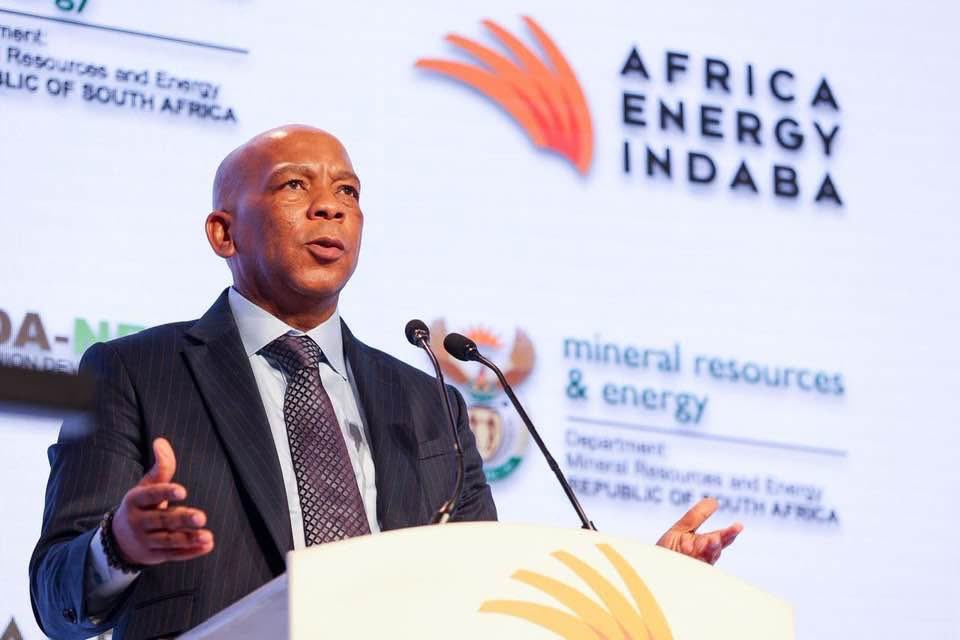
Energy and Electricity Minister Dr Kgosientsho Ramokgopa has expressed exasperation and disappointment over the most recent implementation of Stage 3 loadshedding by Eskom over the weekend.
The dreaded power interruptions are expected to last until 5am on Monday.
The decision to unleash load shedding follows a 98% availability of power supply, affected by a 2,700 MW loss over the past 14 hours.
Speaking at a media briefing on Saturday (8 March), Ramakgopa argued that the most recent “set back” was the result of “non-technical” issues, which he attributed indirectly to complacency.
“I will not sit back and watch, something must give,” Ramokgopa said, indicating that he intended resuming his regular visits to individual power stations, as he had done during the early part of his tenure as then Minister in the Presidency.
“It’s important that, where there are missteps, we are able to correct them, and where there has to be casualties, there will be casualties,” the Minister added.
“This is a third setback in a period of about 30 days; it’s totally unacceptable, “said Ramokgopa. “Unacceptable, because we’re on a good run,” added Ramokgopa, explaining that before these recent bouts of load shedding, they were sitting between 8,500MW and 11,000MW unplanned losses, and now we are breaching 14,000MW.
“So, it’s an illustration of something that has gone wrong,” said Ramokgopa.
Eskom CEO Dan Marokane said the unplanned capability loss factor (unexpected losses) rose from around 15,000MW in the middle of the week to up to 18,000MW yesterday, which triggered Stage 3 load shedding.
Marokane explained that when Eskom stays below 13,000MW of unplanned capacity losses, “we should have a comfortable summer”.
Since the setbacks yesterday, Marokane reported that 3,200MW had been restored by Saturday, with an additional 750MW expected by Sunday, and Koeberg Unit 2 scheduled to return on Monday.
Marokane emphasised that Eskom remains on track with its summer maintenance programme, which is expected to taper off as winter approaches at the end of March and into April.
However, this week saw further strain on the grid, as heavy rains affected Kusile, and ongoing issues at Koeberg were compounded by an additional delay of 1,000MW to 1,500MW in returning capacity due to missed maintenance deadlines.
“What we have seen in the last week – which is essentially trying to explain what transpired and led to the events of yesterday – is that whilst we had done the maintenance, a number of units slipped in terms of their due dates for returning from the outages,” said Marokane.
“And when that happens, and you have a combination of big units that have challenges [Koeberg and Kusile] … you have no room to respond.”
Eskom said higher levels of planned maintenance outages, aimed at winter preparation and meeting regulatory and environmental licensing requirements, are still underway.
To replenish emergency reserves over the weekend, ongoing high levels of planned maintenance will continue.
Ramokgopa expressed confidence that by Monday, South Africa will be out of the grips of load shedding.