
By Lehlohonolo Lehana.
The annual uMkhosi woMhlanga or Reed Dance, centred around young women presenting reeds to the Zulu monarch took place at the eMashobeni Royal Palace in oPhongolo in KwaZulu-Natal (KZN).
The colourful ceremony is known for its singing, dancing, traditional dress and royal procession, but there is much more to it than the spectacle.
For generations, uMkhosi woMhlanga has provided a space for cultural knowledge to be passed from older women to younger generations, while celebrating Zulu identity, language, customs and traditional arts.
The modern Zulu Reed Dance was revived during the reign of the late King Goodwill Zwelithini kaBhekuzulu, with his Great Wife, the late Queen Mantfombi Dlamini-Zulu, playing a crucial role in bringing the tradition back into Zulu cultural life.
Queen Mantfombi, who was born into the Eswatini royal family, was widely credited with helping restore the ceremony and bringing knowledge of the reed dance tradition from her royal home into the Zulu kingdom.
In 2022, King Misuzulu kaZwelithini paid tribute to his late mother for bringing the tradition from her Swazi royal home and sharing it with her marital home in the Zulu kingdom.
Every September, as South Africa marks Heritage Month, thousands of maidens flock to the King’s Royal Palaces at eMachobeni (Ngwavuma) and eMashobeni (Pongolo) to participate in uMkhosi woMhlanga, where they present their reeds as a symbol of purity and pride.
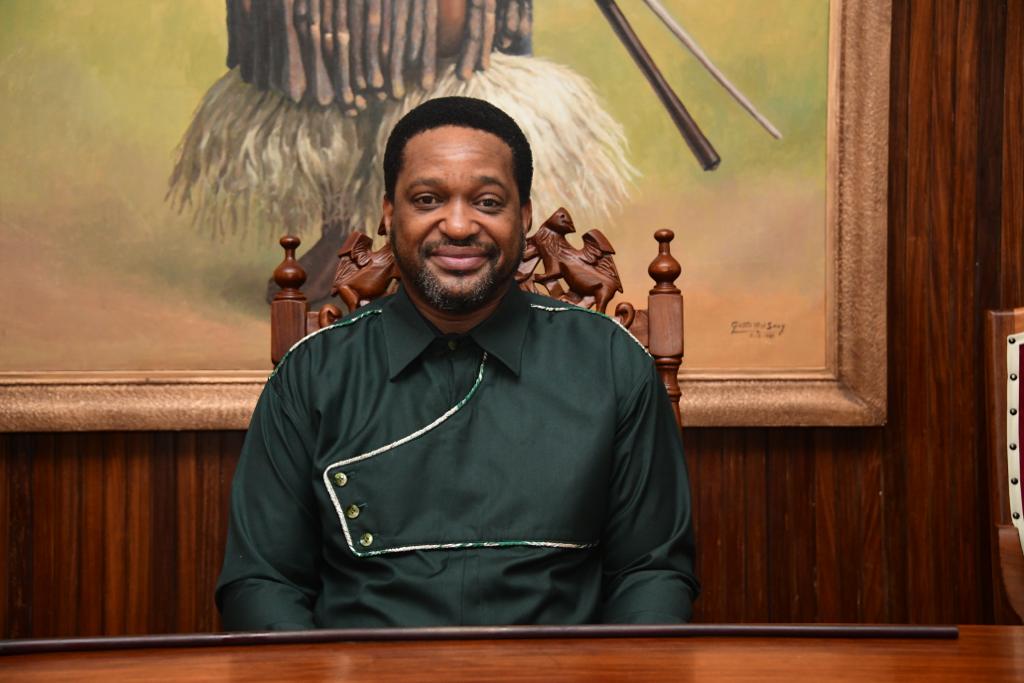
On Saturday at the Reed Dance, King Misuzulu urged communities to take a stronger stand against Gender Based Violence and Femicide (GBVF) and called on men to avoid alcohol if it causes them to misbehave.
His remarks came amid widespread concern over gender-based violence in KwaZulu-Natal (KZN).
In a lighter moment, he joked about his own previous public controversy involving alcohol, telling the maidens that if alcohol caused people to behave badly, they should leave it alone.
His remarks drew laughter from the crowd but formed part of a broader message about confronting alcohol abuse and its links to GBV.
The King praised the maidens for participating in months of preparation leading up to the ceremony and thanked the women of the royal household and his mothers for supporting the event.
He encouraged the young women to stand firm in their cultural identity and remain resilient when confronted by difficulties.
KwaZulu-Natal Premier Thami Ntuli said the ceremony served an important social purpose by encouraging young women to delay sexual activity and avoid early pregnancies and sexually transmitted infections.
“It also goes a long way in making sure that young girls do not involve themselves prematurely in sex, which may expose them to different diseases such as STIs, HIV and others. Even early pregnancy, because you know that when that happens it affects the future and affects their achievements in future. Hence, this ceremony or culture preserves them, giving them an opportunity to prepare for the future,” Ntuli said.
Beyond ceremony itself, uMkhosi woMhlanga provides a platform for traditional crafts, beadwork, music, dance and cultural tourism, bringing together communities from across the province and beyond.