
By Lehlohonolo Lehana.
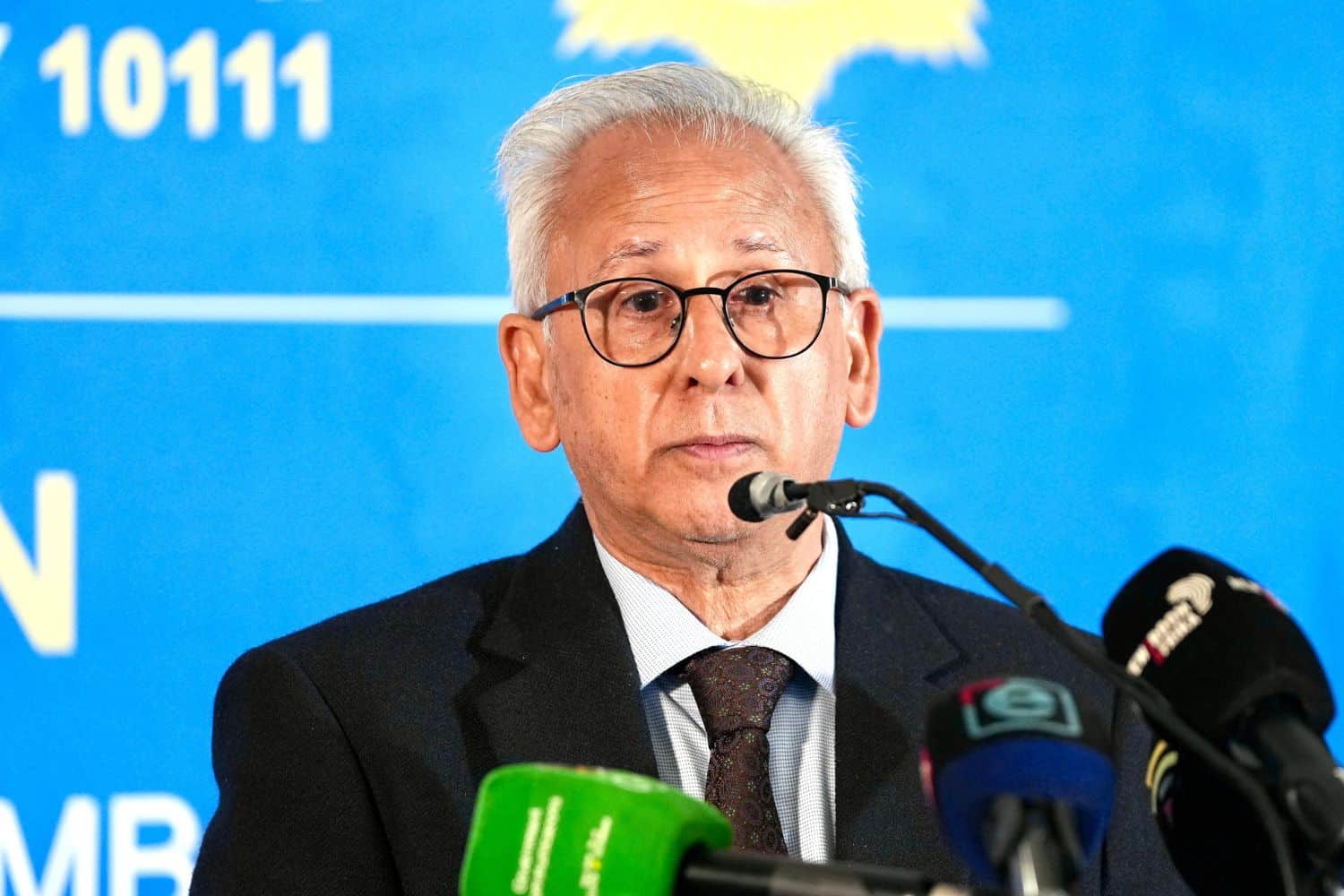
Acting minister of police Firoz Cachalia has released the third-quarter crime statistics in Pretoria on Friday, showing that the country’s murder rate has dropped.
The third quarter covers the period from 1 October to 31 December 2025.
During the media briefing, Cachalia revealed that the murder rate has dropped by 8.7% year-on-year, equating to 602 fewer lives lost compared to the same period last year.
This brings the total number of murders reported during this quarter to a staggering 5,940.
Despite the decrease, Cachalia emphasised that South Africa remains entrenched in a severe violent crime emergency, with the total violent crime rate falling by 8.3% over the past two years.
The alarming figure equates to approximately 65 murders per day and 2.7 every hour, portraying a grim reality where underlying issues persist.
Cachalia highlighted that the total violent crime decreased by 6.7%—a reduction of 12,682 cases reported to the South African Police Service (SAPS) in comparison to the same quarter last year.
Nevertheless, these statistics do not paint a complete picture of the crime landscape across South Africa. While five provinces, including KwaZulu-Natal, Gauteng, Mpumalanga, Free State, and the North West, have reported substantial double-digit murder reductions, the Western and Eastern Cape saw only marginal decreases, with certain regions even experiencing slight increases.
Notably, gang-related violence remains alarmingly high in these provinces, particularly in hotspots like Nyanga, Khayelitsha, and Delft.
The crime statistics also illuminated other concerning figures: there were 6,730 attempted murders and 38,442 incidents of serious assault (GBH) reported in the third quarter alone.
Sexual violence is another issue of grave concern, with 8,517 recorded cases of rape, averaging nearly four rapes per hour during this period. Furthermore, carjackings reached 4,402 incidents, with Gauteng remaining the largest contributor.
Amidst these persistent high levels of crime, Cachalia explained that the presence of organised crime syndicates exacerbates the issues, particularly in flowing criminal activities like cash-in-transit robberies that rose from 29 to 37 incidents in this quarter.
To tackle these challenges, Cachalia reiterated the call for expanded policing powers at local levels where operational capacity exists, alongside enhanced forensic capabilities.
He also stressed the necessity for urgent lifestyle audits and integrity vetting of senior SAPS management to restore public trust, noting that reliable leadership is vital for any future structural reformation.
Meanwhile, SAPS National Commissioner General Fannie Masemola announced that between October 1 and December 31, a total of 2 738 accused persons were convicted to time in prison.
He said 199 accused persons were sentenced to life imprisonment, including 51 murderers and 139 rapists; 15 accused persons were sentenced to 40 years and more imprisonment, including 10 murderers and two rapists.
He highlighted 29 accused persons were sentenced to 30 years and more imprisonment, including 10 murderers. Masemola added 109 gender-based violence and femicide perpetrators were sentenced to life in prison.