
By Lehlohonolo Lehana.
After two days of voting, white smoke billowing from the Sistine Chapel chimney indicates a new leader of the Catholic Church has been elected.
Cardinals returned to the Sistine Chapel today for the second day of the conclave to choose a successor to Pope Francis.
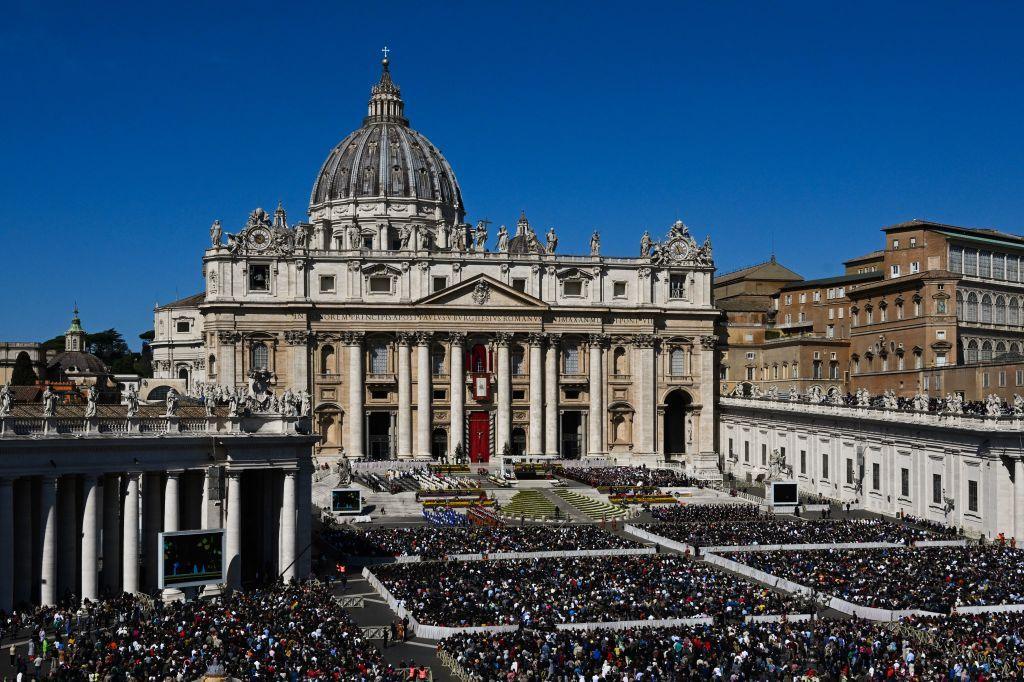
A joyous crowd in St Peter’s Square cheered and applauded as the first puffs of smoke emerged from a small chimney on the roof of the Sistine Chappel, where the cardinals have been holding their secret ballot.
The identity of the pope and the name he has chosen as pontiff will be announced to the world from the central balcony of St Peter’s Basilica shortly.
The new pope will then step forward to deliver his first public address and blessing to the gathered crowds.
Last night, more than 45,000 people waited in St. Peter’s Square to see the color of the smoke that would billow from the chimney of the Sistine Chapel.
Black smoke means no pope has yet been chosen. White smoke means the Catholic Church has a new leader.
The practice of using smoke to signify that cardinals have chosen a new pope dates back to the 1800s, according to Frederic Baumgartner, a historian of papal elections.
The Thursday announcement means the holy body concluded their voting on the second day; both Pope Francis and Pope Benedict were elected on the second day of the Conclave.
The last time a conclave agreed on a pope on the first day, just hours after convening, was in 1503 with the election of Pope Julius II.
In recent years, the conclave has still been considered relatively quick in their decision as they reached a conclusion on the papacy in just a matter of days.
Pope Francis was elected in 2013 on the fifth ballot, while Pope Benedict XVI won in 2005 on the fourth ballot, and Pope Pius XII, elected in 1939 won on the third ballot.
A pope is decided after a man receives a two-thirds majority by the voting body, which comprises eligible voters in the College of Cardinals who are under the age of 80 at the time of the pope’s passing.