
By Lehlohonolo Lehana.
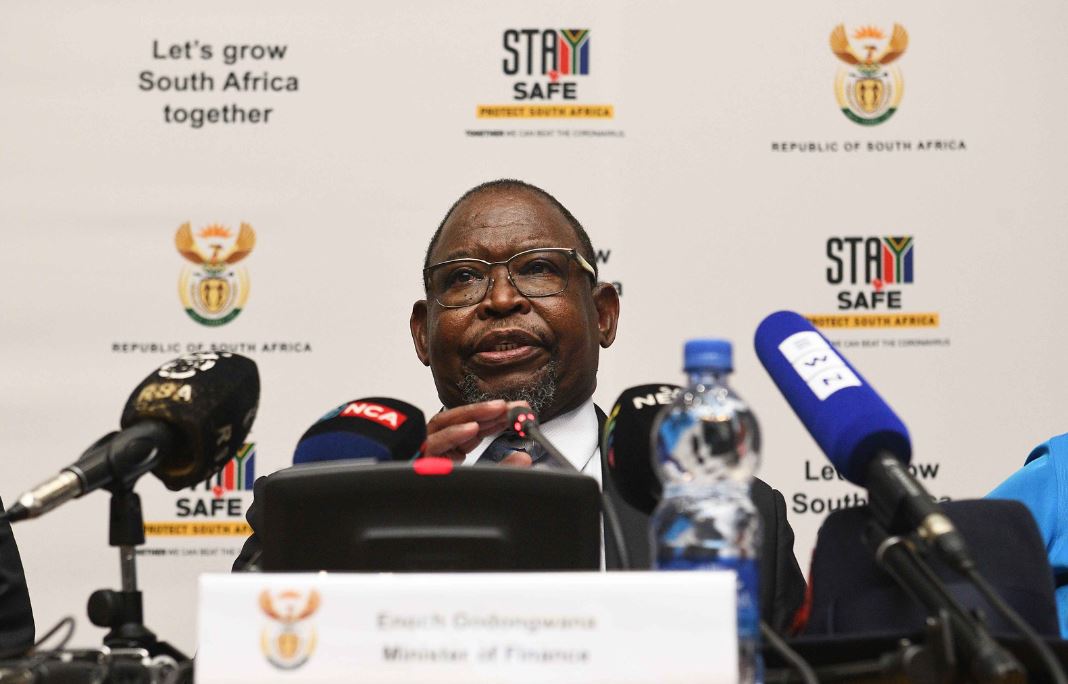
The Minister of Finance Enoch Godongwana announced that the fuel levy would be reduced by R3 per litre for diesel and R1.50 per litre for petrol from 4 November to 1 December 2026 to provide temporary relief.
Godongwana delivered the 2026 Medium-Term Budget Policy Statement (MTBPS) in Cape Town on Wednesday, 21 October 2026.
The Mid-Term budget plays a critical role in the entire budgetary process as it sets the tone for the country’s fiscal framework for the next national budget.
It also provides Parliament and South Africans with an update on how Treasury perceives the present economic realities.
The MTBPS sets government policy goals and priorities, forecasts macroeconomic track and projects the fiscal framework over the next three years by outlining spending and revenue estimates, among others.
The measure revives temporary fuel levy cuts introduced from April to June after oil prices surged amid conflict in the Middle East.
South Africa imports most of its fuel, leaving it exposed to swings in global energy prices.
In October 2026, petrol and diesel reached record prices. Unleaded 95 costs R30.25 per litre at inland forecourts, while the wholesale diesel price has climbed to R33.29 per litre.
“Because we have rebuilt fiscal buffers, government is in a stronger position to respond, including by providing temporary fuel levy relief again,” Godongwana said in his mid-year budget speech.
“This intervention will help ease cost of living pressures without compromising the sustainability of the budget.”
“Thereafter, the relief will continue at a lower amount until 5 January 2027. The diesel levy will be reduced by R1.50 per litre and the petrol levy by R1 per litre. These measures will provide R10 billion in support, at a fiscal cost of R10 billion in foregone revenue.”
“To fund this relief, the R10 billion that was transferred to the Central Energy Fund will be returned to the National Revenue Fund and put into the Contingency Reserve. This intervention will help ease cost of living pressures without compromising the sustainability of the budget,” he explained.
The minister said the Middle East conflict led to the closing of the Strait of Hormuz, a vital corridor connecting oil suppliers to the world. “The interruptions to global oil supply have caused prices to rise sharply, particularly food and energy prices.”
Godongwana further announced the allocation of the contingency reserve increases to R10 billion to respond to the potential threats associated with the El Niño and other risks.
“In the budget we had in February we had R5 billion, it has exhausted, so we are worried about the El Niño impact, that is why we have put an amount of R10 billion to deal with the impact of this El Niño in December and January,” he said.
The National Treasury has allocated R3.8 billion to fight GBVF and a further R157.4 million to the Department of Women, Youth and Persons with Disabilities.
Godongwana said the allocations were intended to give effect to President Cyril Ramaphosa’s announcement concerning the unacceptably high levels of GBV in South Africa.
He said the R3.8 billion would fund the recruitment of more than 3,500 social workers, specifically to strengthen prevention amid rising murders and attacks on women.
Treasury has also allocated R186 million to strengthen forensic and investigative capacity in the police.
“We are expanding sexual offences courts from 55 to 101 and increasing the number of countrywide Thuthuzela Care Centres that provide support to rape victims, from 72 to 80, by 2028/29,” Godongwana said.
Godongwana said government had allocated R2.2 billion over the medium term to combat crime and corruption, including R514 million for commissions of inquiry, such as the Madlanga Commission of Inquiry.
A further R2.2 billion over the medium term has been allocated to strengthen the independence of the judiciary.
Godongwana announced that government is reforming the infrastructure grant system to strengthen planning, accountability and oversight.
This follows the government completing a review of infrastructure grants to provinces and municipalities.
Between 2017/18 and 2023/24, national government transferred R887 billion through infrastructure conditional grants to provinces and municipalities, which the Minister said was a substantial investment.
“The review assessed whether these grants are delivering infrastructure and improving service outcomes. The findings were clear. While most funds are spent, projects are often delayed, incomplete, or fail to deliver the intended benefits.”