
By Lehlohonolo Lehana.
The South African Reserve Bank’s Monetary Policy Committee (MPC) announced that interest rates will drop by 25 basis points, bringing the repo rate to 7% and the prime lending rate to 10.5%, effective from 1 August.
The announcement comes on the eve of stiffer US trade tariffs, which are likely to weigh on the country’s already sluggish economic growth.
The Sarb has estimated that in the worst case scenario a tariff at that level, with the world’s average levy at 10%, could shave as much as 0.6% off gross domestic product growth this year and add 0.4 percentage points to inflation.
The decision to drop the repo rate was in line with economists’ and analysts’ views ahead of the meeting, where opinions were tilted towards a small cut.
While some had anticipated a hold on rates, given the imminent application of a 30% tariff on exports to the United States from Friday, 1 August, the MPC followed through with a cut.
Notably, the vote was unanimous.
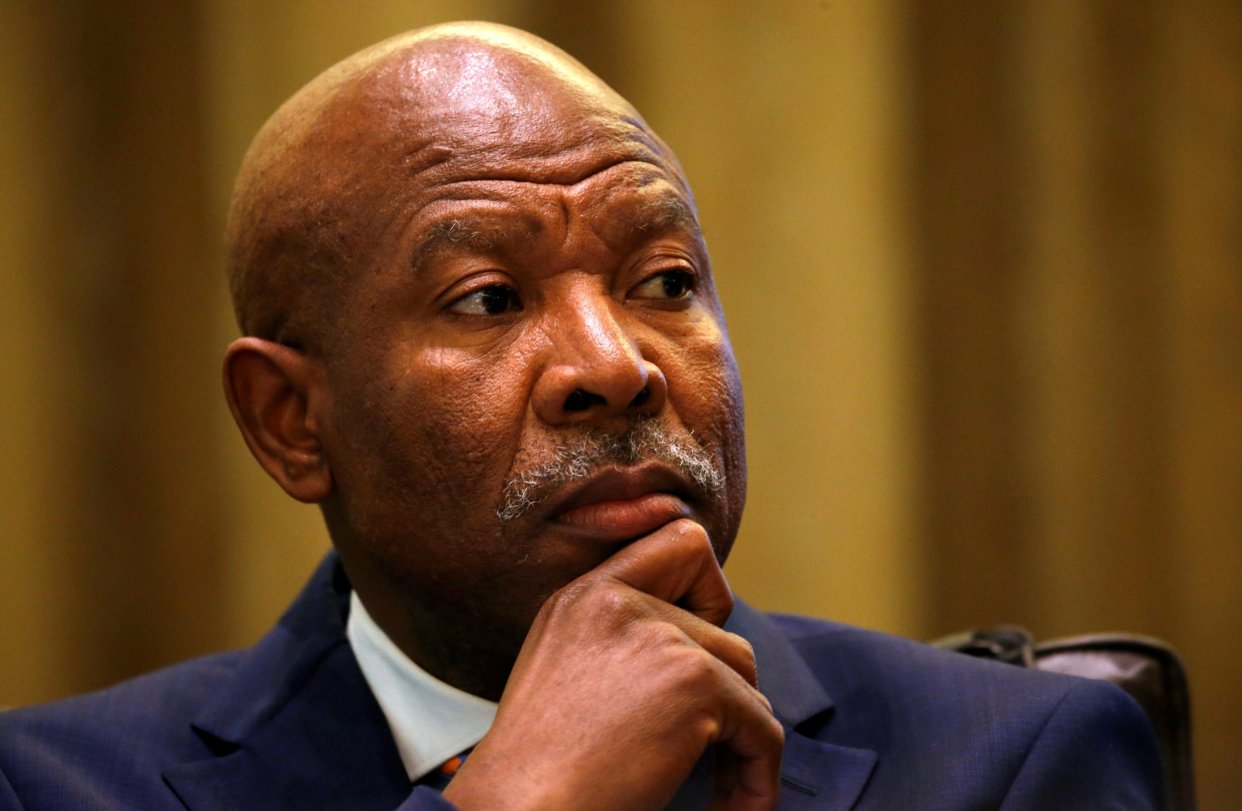
Reserve Bank governor Lesetja Kganyago said that the global economic conditions remain uncertain amid the United States’ tariff push, while local conditions in South Africa remain under pressure.
He said the bank had warned that economic data in South Africa was weak, and this reflected in the GDP data that was published by Stats SA, including a downward revision to 2024’s growth.
However, more recent data has pointed to more positive growth, suggesting that the economy picked up in the second quarter of the year.
Nevertheless, the economy’s underlying growth trend remains low, mainly due to persistent supply-side problems, for instance in logistics.
Higher levels of uncertainty also affect output, with business and consumer confidence deteriorating in the first half of the year.
Inflation has remained low, but expectations have moderated, with the expectation that headline inflation will rise over the next few months, averaging 3.3% for the year.
It’s against this backdrop that the committee voted to cut rates by 25 points.
As with previous meetings, the MPC considered a new inflation scenario with a 3% target in its modelling.
Kganyago reiterated the SARB’s position that the existing 3%-6% target is too high and too wide, and should be reformed.
“With actual inflation close to 3%, we wanted to highlight the opportunity to achieve permanently lower inflation at minimal cost,” he said.
Hayley Parry, Money Coach and Facilitator at 1Life’s Truth About Money says this is good news for any South Africans with debt. Although 25% decrease does not sound like much from a consumer perspective, there are some interesting opportunities that are presented to us.
This means if you took out a R1000,000 home loan from tomorrow you would be paying R9984 per month on that home loan to pay it off for the next 20 years. This means a month ago you would have been paying R168 more on that loan per month. The R168 difference may not sound like a lot but this is where the power of compound interest comes into play. It is important to get financial education in order to understand what compound interest is and does for consumers.
For example, the R168 may not make that much of a difference in paying off your home loan. If you kept your home loan repayment on what it today, rather than what it will drop to tomorrow. Over the course of 20-year home loan, you will be able to save you more than R89,000 and over a years’ worth of repayments. This means you would pay off your home loan in less than 19 years instead of 20 years. You will end up saving a significant amount of money in the long run.
My challenge to consumers in light of this interest rate reduction is to continue making the same payments they were making before whether it is on a car, home loan, or credit cards. This will help them pay off their debt faster and, once it is cleared, free their monthly cash flow going forward.
Watch Live in the video below:
Video Courtesy of SARB.